

Hyundai Sonata Disc Brake Pad Set Guide (2005-2014)
Choosing the right new aftermarket brake pads for your Sonata is crucial for safety and performance.
- Your Sonata uses a metal 'squealer' tab that makes noise when pads are low; don't ignore it.
- Thoroughly clean and lubricate caliper bracket contact points to prevent pads from seizing, a common Sonata issue.
- For most drivers, a quality aftermarket ceramic pad from brands like Bosch, Wagner, or Powerstop offers the best value.
- Brake parts are different for the 2005-2010 (NF) and 2011-2014 (YF) generations; verify fitment for your specific year.
Is it Time for New Brake Pads on Your Sonata?
Your 2005-2014 Hyundai Sonata doesn't have an electronic sensor that triggers a dashboard light for worn brake pads. Instead, it uses a small metal tab on the brake pad called a wear indicator or "squealer". When the pad material wears down to a certain minimum thickness, this tab makes contact with the brake rotor, creating a high-pitched squealing 🎬 Watch: Hear what these brake noises sound like in action. or screeching noise when you apply the brakes. This is your audible warning that it's time for a replacement.
Key Symptoms of Worn Brake Pads:
- High-Pitched Squealing: The most common sign, caused by the wear indicator.
- Grinding Noise: This is a more severe sign. It means the pad material is completely gone, and the metal backing plate is grinding against the rotor. This can cause expensive damage to your brake rotors. Stop driving immediately if you hear this.
- Vibrations: A pulsing or vibrating feeling in the brake pedal or steering wheel when braking can point to worn pads or, more commonly, warped brake rotors.
- Longer Stopping Distance: If you notice your car takes longer to stop than it used to, your brake pads may be worn out and unable to create enough friction.
- Pulling to One Side: If the car pulls left or right during braking, it could indicate uneven wear or a problem with a brake caliper.
A Known Issue for Sonata Owners
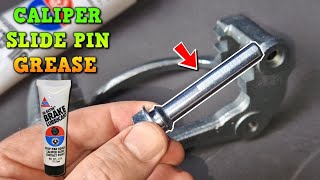
A common problem on the 2005-2014 Sonata is brake pads seizing in the caliper mounting bracket. Due to rust and tight tolerances, the pads can get stuck and fail to slide freely. This can lead to a 'soft' pedal, reduced braking power, rapid pad wear, and overheating. When replacing your pads, it is critical to thoroughly clean the caliper bracket where the hardware clips sit and apply a thin layer of high-temperature brake grease.
🎬 See how to properly clean and lubricate your caliper brackets.OEM vs. Aftermarket Brake Pads for Your Sonata
When replacing brake pads, you can choose between Original Equipment Manufacturer (OEM) and aftermarket parts. OEM pads are what your Sonata came with from the factory. They are designed for quiet, low-dust, everyday driving. However, they can be more expensive.
Aftermarket parts are made by various companies, not by Hyundai. The quality can range from poor to better-than-OEM. Good aftermarket brands offer a great balance of performance, durability, and price. For a daily-driven Sonata, a quality set of aftermarket ceramic or semi-metallic pads is often the best value. Avoid the cheapest, unbranded pads, as your safety depends on them.
Choosing the Right Aftermarket Brake Pads
With over 170 options available, picking the right pad can be confusing. We can group them into three main tiers based on quality and intended use.
Tier 1: Economy Pads
These are the most affordable options. They will stop your car safely but may not last as long, can be noisier, and might produce more brake dust than higher-quality pads. These are a viable choice if your budget is the primary concern. Brands in this category include Dynamic Friction, Pronto, and other private labels.
Tier 2: Daily Driver / OE-Quality Pads
This is the sweet spot for most Sonata owners. These pads offer performance and longevity similar to or better than the original factory pads, often at a lower price. They provide quiet operation, low dust, and reliable stopping for normal commuting. Most pads in this tier are ceramic, which is what Hyundai used from the factory.
- Bosch QuietCast & Blue: A very popular choice known for being quiet, low-dust, and affordable.
- Wagner Brake Pads: A long-standing, trusted name offering consistent and durable performance.
- Centric Posi-Quiet / C-TEK: Offers a great balance of quality and price, often considered a top mid-tier option.
- Raybestos Element3: Known for being a quality upgraded pad with good performance.
- Powerstop Z17 Evolution: A popular ceramic pad kit that includes new hardware and is designed for low-dust, noise-free daily driving.
Tier 3: Premium / Performance Pads
If you want enhanced braking performance, such as shorter stopping distances or better resistance to brake fade during spirited driving, premium pads are the way to go. They are more expensive and may produce slightly more noise or dust than OE-style pads.
- Akebono ProACT: Often an OEM supplier for Japanese cars, Akebono pads are highly regarded for their excellent quality, quiet operation, and low dust.
- Brembo: A top name in high-performance braking, offering superior stopping power.
- EBC Brakes: Offers different compounds (e.g., Greenstuff, Redstuff) for various levels of performance driving.
- Powerstop Z23 Evolution Sport: A carbon-fiber ceramic pad designed for improved stopping power over stock pads.
Estimated Costs for Brake Pad Replacement
| Service | Estimated Cost (Parts Only) | Estimated Cost (Parts + Labor) |
|---|---|---|
| Aftermarket Brake Pad Set (per axle) | $27 - $118 | $210 - $375 |
| OEM Brake Pad Set (per axle) | $100 - $200 | $300 - $450+ |
Costs are estimates and can vary based on your location, the specific brand of parts chosen, and the condition of your brake rotors and calipers.
Frequently Asked Questions
Do I need to replace my brake rotors with the pads?
It is highly recommended. While you can sometimes put new pads on old rotors, it's best practice to replace or resurface the rotors at the same time. A fresh, flat rotor surface ensures the new pads bed-in correctly and provides the best braking performance. If you hear grinding, you have almost certainly damaged the rotors and they must be replaced.
What's the difference between ceramic and semi-metallic pads?
Ceramic pads are the most common type for daily drivers. They are quiet, produce very little visible dust, and are easy on the rotors. Semi-metallic pads offer better performance in extreme heat and heavy-duty use but can be noisier and produce more dust. For a Sonata, ceramic pads are the recommended choice for most drivers.
Should I replace front and rear pads at the same time?
Not necessarily. Front brake pads typically wear out faster than rear pads because they handle most of the braking force. You should replace pads on a per-axle basis. This means replacing both the left and right front pads together, or both the left and right rear pads together.
Are there any recalls for the 2005-2014 Sonata brake pads?
No, there are no specific recalls for the brake pads on these models. There was a recall for the brake pedal stopper on 2011-2012 models and an ESC-related recall on some 2006 models, but these did not involve the brake pads themselves.
Helpful Videos
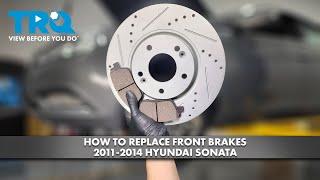
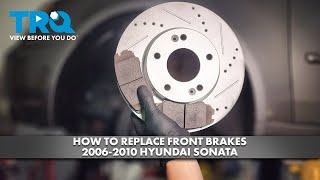
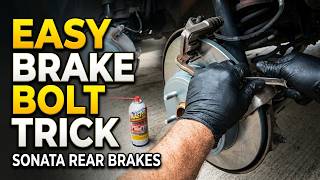
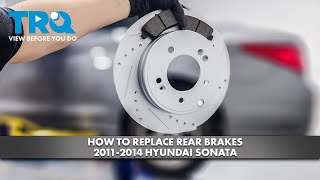
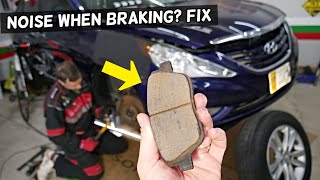
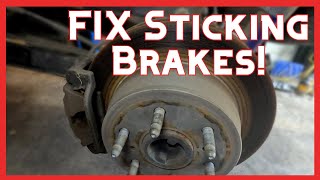
Technical Specifications
The 2005-2014 Hyundai Sonata uses a single-piston floating caliper for both front and rear brakes. Most models came factory-equipped with ceramic brake pads. The system includes a mechanical wear indicator (audible squeal tab) rather than an electronic sensor.
We Have This Part in Stock
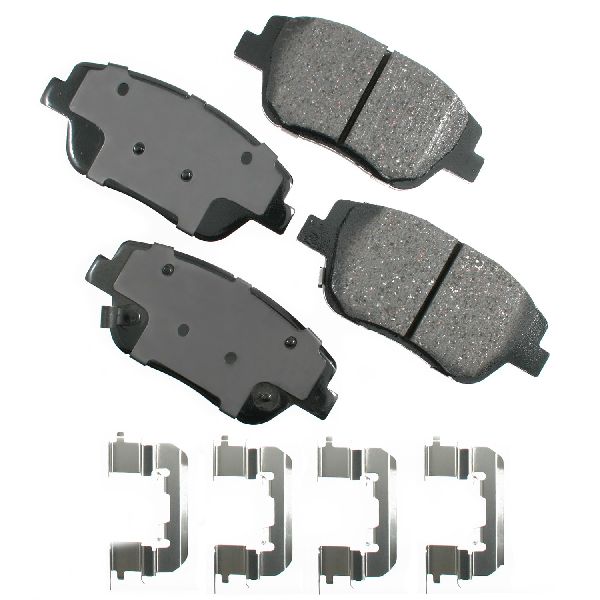
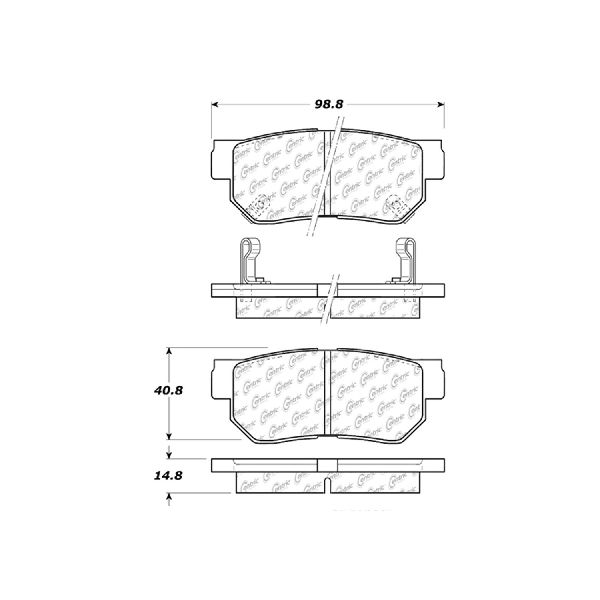
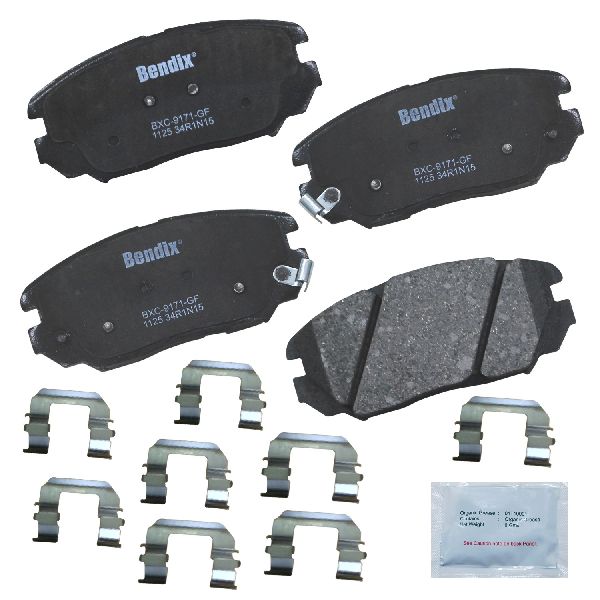
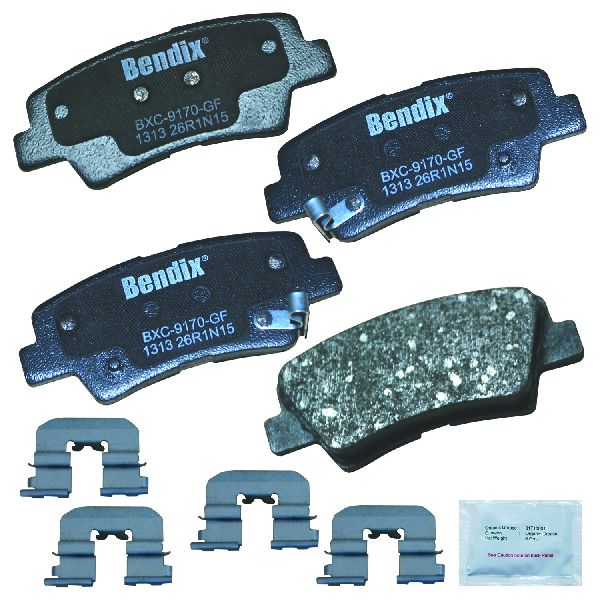

The information in this article is provided for general reference and educational purposes only. Vehicle specifications, procedures, and part compatibility can vary by production date, trim level, and region. Always consult your vehicle's factory service manual and verify part numbers before purchasing or performing repairs. Safety-critical components such as airbags, seat belts, and braking systems should be installed by a qualified professional.
- Hyundai Sonata:
- 🎬 Helpful Videos
- 🛍️ Shop This Part
- Is it Time for New Brake Pads on Your Sonata?
- Key Symptoms of Worn Brake Pads:
- A Known Issue for Sonata Owners
- OEM vs. Aftermarket Brake Pads for Your Sonata
- Choosing the Right Aftermarket Brake Pads
- Tier 1: Economy Pads
- Tier 2: Daily Driver / OE-Quality Pads
- Tier 3: Premium / Performance Pads
- Estimated Costs for Brake Pad Replacement
- Frequently Asked Questions
- 🎟️ Get 5% Off