

Hyundai Tucson Oxygen Sensor Guide for 2005-2014 Models
Fix your check engine light and poor gas mileage by choosing the right oxygen sensor for your Tucson.
- A bad oxygen sensor will trigger the check engine light, hurt fuel economy, and can damage your catalytic converter if ignored.
- For best results, choose an OEM-quality aftermarket brand like Denso, NGK/NTK, or Bosch to ensure compatibility with your Tucson's computer.
- You must order the correct sensor for the specific location (e.g., Bank 1 Upstream vs. Bank 2 Downstream). They are not interchangeable.
- If a new sensor doesn't fix the check engine light, investigate other potential causes like exhaust leaks or wiring issues before replacing more parts.
Symptoms of a Failing Oxygen Sensor


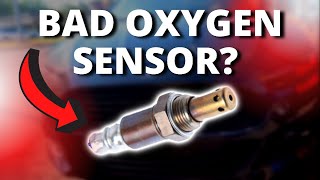
When an oxygen sensor in your Tucson starts to fail, it can cause several noticeable problems. You don't have to be a mechanic to spot the warning signs.
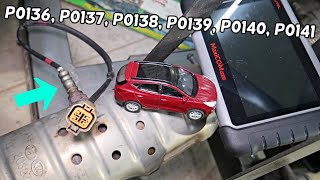
🎬 Watch: A visual guide to symptoms of a bad sensor- Check Engine Light: This is the most common sign. A diagnostic scan will often point to a specific sensor with codes like P0420, P0139, 🎬 See how to diagnose common O2 sensor engine light codes or others related to sensor performance.
- Worse Gas Mileage: A bad sensor can cause the engine to use more fuel than necessary, meaning more trips to the gas station.
- Rough Engine Performance: You might notice a rough idle, engine hesitation, misfires, or a general lack of power.
- Bad Smells: A failing sensor can lead to a rich fuel mixture, which can produce a "rotten egg" or raw fuel smell from the exhaust.
- Failed Emissions Test: An O2 sensor is essential for controlling emissions, and a bad one will almost certainly cause you to fail an emissions inspection.
Don't Ignore a Bad O2 Sensor
Continuing to drive with a faulty oxygen sensor can lead to more severe and expensive problems. The most serious is damage to the catalytic converter, which can cost over a thousand dollars to replace. Addressing a bad O2 sensor early is a much cheaper repair.
Choosing the Right Aftermarket Oxygen Sensor

Not all aftermarket oxygen sensors are created equal. For a sensitive part like this, brand quality matters. Some aftermarket brands may not communicate well with your Tucson's computer, leading to persistent check engine lights even after replacement. Here’s how the available brands generally stack up.
Tier 1: OEM-Quality Brands
These brands are often the original equipment manufacturers for Hyundai and other carmakers. They offer the best fit, performance, and longevity, making them the safest choice.
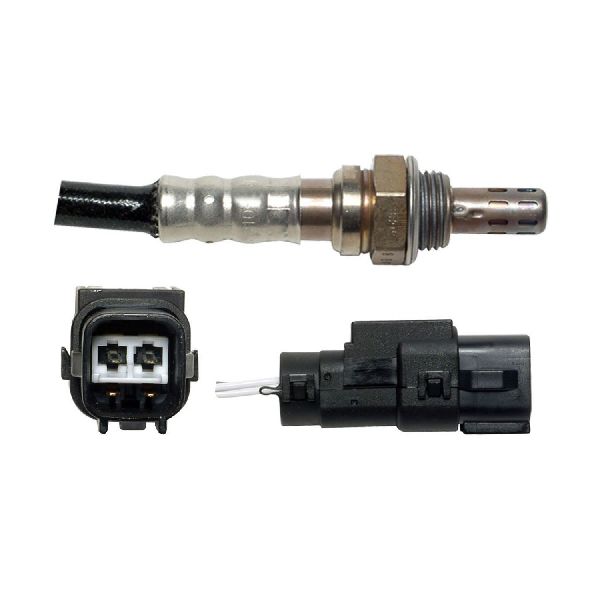
- Denso: A top-tier OEM supplier, often considered a go-to for Asian vehicles. Their sensors are known to match factory performance perfectly.
- NGK (NTK): NGK's sensor line is branded as NTK. Like Denso, they are a major OEM supplier with a reputation for excellent quality and reliability.
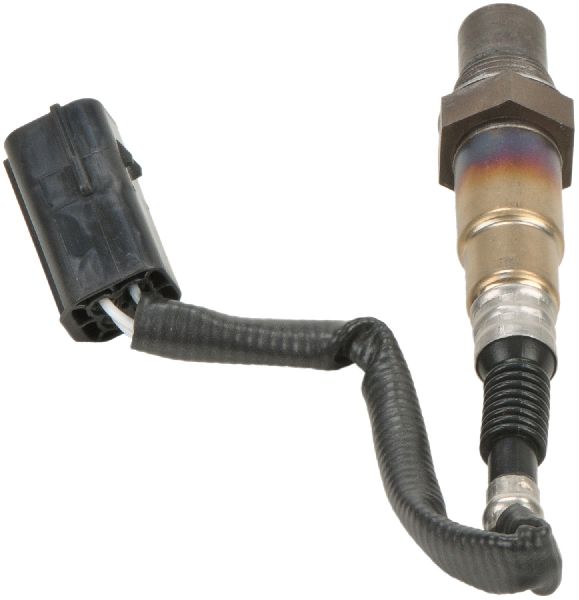
- Bosch: Bosch invented the modern oxygen sensor and is a massive OEM supplier. While some enthusiasts prefer Denso or NTK for Asian vehicles, Bosch remains a high-quality, reliable option.
Tier 2: Reputable Aftermarket Brands
These brands offer a good balance of quality and price. They are generally reliable and a solid choice if you're on a tighter budget.
- Delphi: A well-respected OE supplier and aftermarket manufacturer with a strong reputation for quality electronics.
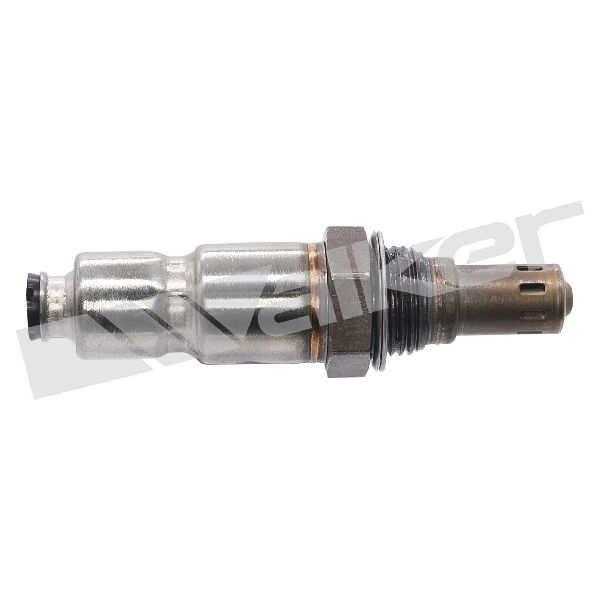
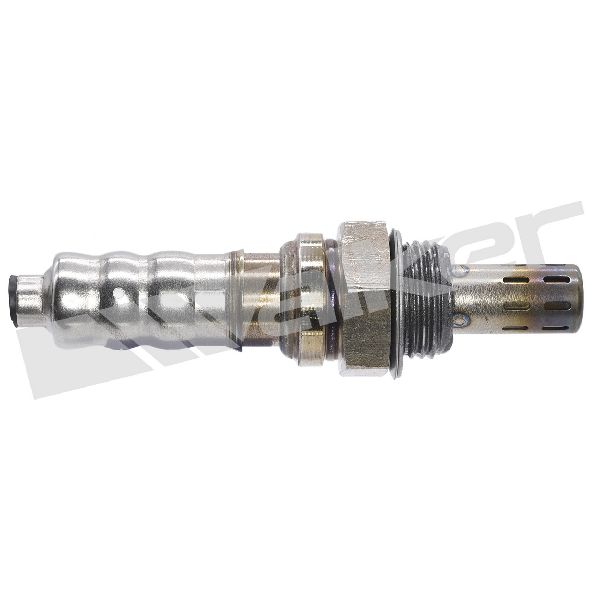
- Walker Products: A well-known aftermarket exhaust and emissions component manufacturer.
- Hella: A German company known for producing quality automotive electronics and components.
Tier 3: Economy Brands
These brands are the most affordable but can be a gamble. While they may work fine, they might have a shorter lifespan or less precise readings, which could cause issues with your Tucson's computer.
- DriveWire, Encore Automotive, Facet, Spectra: These brands provide a budget-friendly option, but it's important to be aware of the potential for inconsistent performance. One Tucson owner reported having persistent check engine lights with multiple aftermarket sensors before switching to an OEM part.
Pro Tip: Upstream vs. Downstream and Bank 1 vs. Bank 2

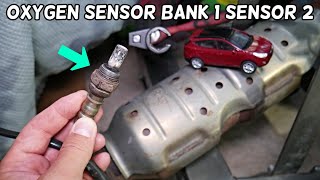
It is critical to order the correct sensor for the position you are replacing. Upstream (before converter) and downstream (after converter) sensors are different and not interchangeable. The 2005-2009 Tucson with the 2.7L V6 engine has two banks of cylinders. Bank 1 is the cylinder bank closer to the firewall (rear), and Bank 2 is closer to the radiator (front). Four-cylinder engines only have one bank (Bank 1). Always confirm the exact location of the failed sensor before ordering.
Known Issues, Recalls, and TSBs
As of this writing, there are no specific recalls or Technical Service Bulletins (TSBs) from Hyundai or the NHTSA regarding oxygen sensor failure for the 2005-2014 Tucson. However, it's not uncommon for these sensors to fail from age, contamination, or rust. In some cases, a persistent O2 sensor code after replacement may not be the sensor's fault but could indicate an exhaust leak, wiring issue, or another engine problem.
Cost of Replacing an Oxygen Sensor on a 2005-2014 Hyundai Tucson
| Item | Estimated Cost |
|---|---|
| Aftermarket Oxygen Sensor Part | $27 - $229 |
| OEM Oxygen Sensor Part | $150 - $250 |
| Shop Labor | $100 - $200 |
| Total Estimated Cost (DIY) | $27 - $229 |
| Total Estimated Cost (at a shop) | $127 - $450+ |
Frequently Asked Questions
How many oxygen sensors does my Tucson have?
It depends on your engine. Four-cylinder models (2.0L, 2.4L) have two sensors: one upstream and one downstream. The V6 model (2.7L, 2005-2009) has four sensors: an upstream and downstream sensor for each of the two cylinder banks.
What's the difference between an upstream and a downstream sensor?
The upstream (or Sensor 1) sensor is located before the catalytic converter and is used to control the engine's air-fuel ratio. The downstream (or Sensor 2) sensor is after the catalytic converter and its main job is to monitor the converter's health. They are not interchangeable.
Can I replace an oxygen sensor myself?
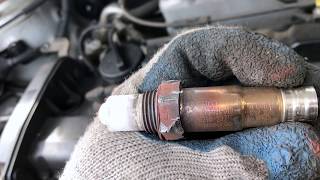
Yes, this is a feasible DIY job for many home mechanics. It requires raising the vehicle safely and using a special oxygen sensor socket to remove and install the sensor. The biggest challenge is often rust, which can make the old sensor very difficult to remove. 🎬 Watch this walkthrough on how to remove a stuck sensor Soaking it in penetrating oil beforehand can help.
Why is my check engine light still on after replacing the O2 sensor?
This can happen for a few reasons. The code may need to be cleared with a scan tool. You may have installed a low-quality sensor that isn't compatible with your Tucson's computer. Or, the code may be caused by another issue, such as an exhaust leak, a wiring problem, or a failing catalytic converter.
Helpful Videos
![Bad O2 Sensor Symptoms Downstream & Upstream [Oxygen Sensor Failure and Causes] How to fix & Replace](https://img.youtube.com/vi/b-xxdBlikSA/mqdefault.jpg)
Technical Specifications
OEM Part Numbers: 39210-37513 39210-37523 39210-23750 39210-37543 39210-23710 39210-37533 39210-2E700
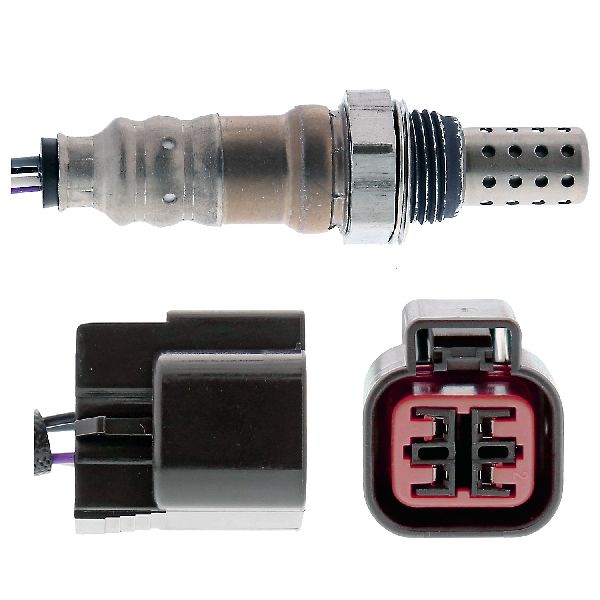
Vehicle will have either two (I4 engines) or four (V6 engine) heated, 4-wire oxygen sensors. Upstream sensors are sometimes referred to as Air/Fuel Ratio sensors. Downstream sensors monitor catalyst efficiency. A special slotted socket is recommended for removal and installation.
We Have This Part in Stock


The information in this article is provided for general reference and educational purposes only. Vehicle specifications, procedures, and part compatibility can vary by production date, trim level, and region. Always consult your vehicle's factory service manual and verify part numbers before purchasing or performing repairs. Safety-critical components such as airbags, seat belts, and braking systems should be installed by a qualified professional.
- Hyundai Tucson:
- 🎬 Helpful Videos
- 🛍️ Shop This Part
- Symptoms of a Failing Oxygen Sensor
- Don't Ignore a Bad O2 Sensor
- Choosing the Right Aftermarket Oxygen Sensor
- Tier 1: OEM-Quality Brands
- Tier 2: Reputable Aftermarket Brands
- Tier 3: Economy Brands
- Pro Tip: Upstream vs. Downstream and Bank 1 vs. Bank 2
- Known Issues, Recalls, and TSBs
- Cost of Replacing an Oxygen Sensor on a 2005-2014 Hyundai Tucson
- Frequently Asked Questions
- 🎟️ Get 5% Off