

Chevrolet Tahoe Throttle Position Sensor: A Deep Dive for 2005-2015 Owners
If your Tahoe is showing a 'Reduced Engine Power' message, this guide is for you.
- The 'Reduced Engine Power' message is the number one symptom of a failing TPS on a Tahoe.
- A GM Special Coverage bulletin (11273A) confirmed this is a known issue for 2008-2011 models.
- For this part, choosing a quality brand like ACDelco is highly recommended to avoid repeat failures.
- After replacement, the vehicle's computer may need to be reprogrammed by a professional.
Understanding Throttle Position Sensor Failures in the Tahoe

Many 2005-2015 Chevrolet Tahoe owners experience issues with the throttle position sensor. This part can wear out over time, leading to significant and sudden driving problems. The most common sign of failure is the dreaded "Reduced Engine Power" warning, which severely limits your truck's speed and acceleration as a safety measure. This happens when the sensor sends erratic signals to the engine's computer, causing confusion about the driver's actual intent.
GM Special Coverage for Throttle Position Sensor (2008-2011 Models)
General Motors issued a special coverage bulletin (11273A) for certain 2008-2011 Chevrolet Tahoes with V8 engines. This program acknowledged a high failure rate for the TPS. It extended the warranty for this specific part to 10 years or 120,000 miles from the vehicle's original service date. The repair, which includes replacing the sensor and reprogramming the computer, was performed at no charge to the customer if the vehicle was within the coverage terms. While this program has likely expired for most vehicles based on age, it confirms this is a well-known problem part.
Common Symptoms of a Failing TPS

A bad throttle position sensor can make your Tahoe feel unreliable. Watch for these common signs:
- Reduced Engine Power Light: This is the most frequent and obvious symptom. The truck will feel sluggish and will not accelerate properly.
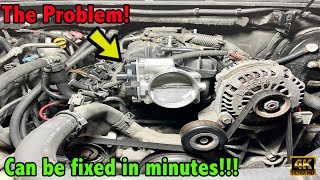
- Check Engine Light: The check engine light will almost always come on. Common trouble codes include P2135, which points to a disagreement between the TPS sensors. 🎬 Watch this video to see how to fix the P2135 code.
- Rough or Unstable Idle: Your engine's RPMs may jump up and down or idle very roughly when you're stopped.
- Stalling and Hesitation: The engine may stall when you come to a stop or hesitate badly when you try to accelerate.
- Poor Shifting: You might notice your automatic transmission shifting harshly or at the wrong times because it relies on TPS data.
Choosing the Right Aftermarket Sensor

For many parts, aftermarket options offer great value. However, for this specific electronic sensor on the Tahoe, quality matters immensely. Forum discussions and mechanic reports often highlight repeat failures with budget-friendly options, leading to the same "Reduced Engine Power" issues recurring within months.
Brand Quality Tiers
- Top Tier (OEM Quality): ACDelco is the original equipment manufacturer for GM. Choosing an ACDelco GM Original Equipment sensor is the safest bet for reliability and longevity. It is the most recommended option to avoid repeat failures.
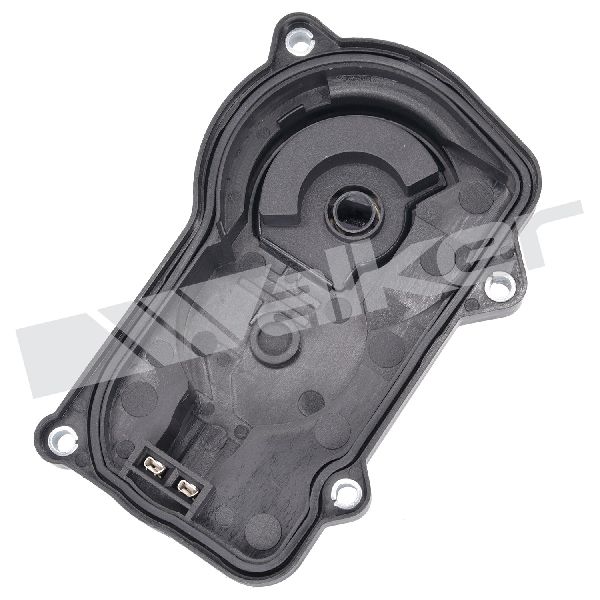
- Reputable Aftermarket: Brands like NGK, Standard Ignition (SMP), and Walker Products are well-known in the aftermarket world. They offer a good balance of cost and quality and are generally more reliable than store-brand parts. These are a viable option if an ACDelco part is not available or is outside your budget.
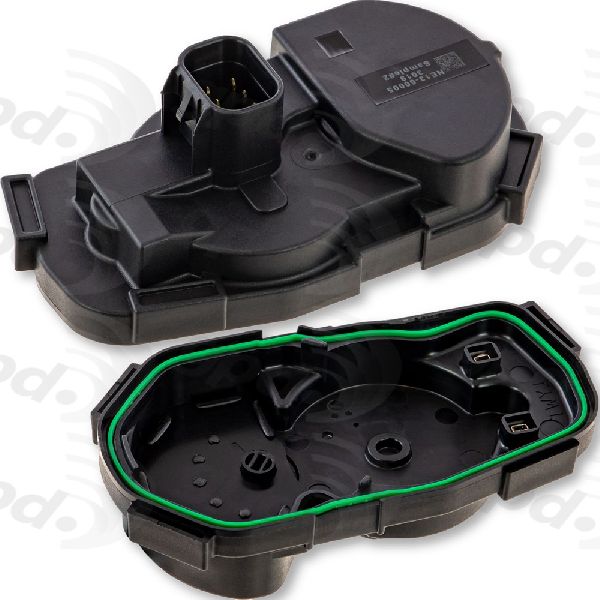
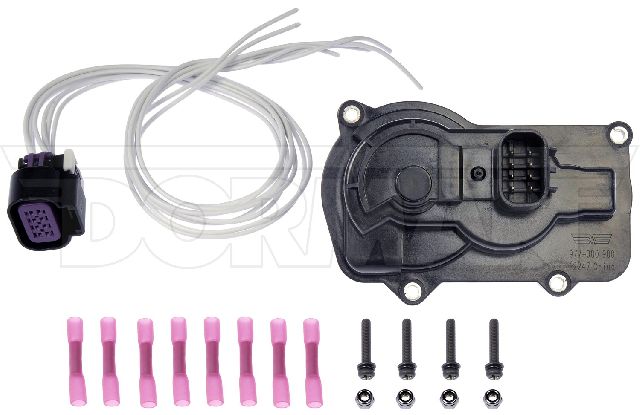
- Value-Oriented: Brands like Dorman and Global Parts often provide the most budget-friendly choice. While Dorman is known for creating solutions to OEM problems, for sensitive electronics like the TPS, long-term reliability can sometimes be a concern compared to top-tier brands.
Pro Tip: Before replacing the sensor, consider cleaning the throttle body itself. Carbon buildup can cause the throttle plate to stick, leading to symptoms that mimic a bad TPS. Sometimes, a simple cleaning is all that's needed.
🎬 See our step-by-step guide for cleaning your Tahoe's throttle body.| Part/Service | Estimated Cost |
|---|---|
| New OEM (ACDelco) Sensor | $90 - $150 |
| New Aftermarket Sensor | $67 - $247 |
| Shop Labor (Sensor Replacement) | $75 - $150 |
| Shop Labor (ECM Reprogramming) | $100 - $200 (if required) |
Frequently Asked Questions

Do I need to replace the whole throttle body?
Not usually for 2007-2014 models. On these Tahoes, the sensor is a separate part that clips onto the throttle body. You can replace just the sensor, which is much cheaper. For some earlier years or severe throttle body wear, a mechanic might recommend replacing the complete assembly.
Does the computer need to be reprogrammed after replacement?
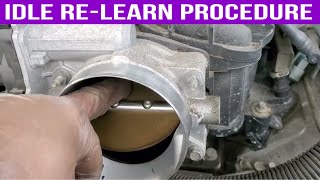
It is highly recommended, especially for 2008-2011 models as specified in the GM bulletin. Replacing the sensor without reprogramming the Engine Control Module (ECM) may not solve the problem. An idle relearn procedure is also necessary.
Is this a difficult DIY job?
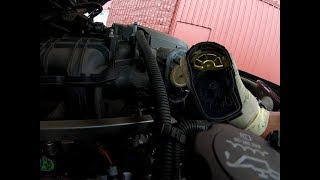
Replacing the sensor itself is not difficult. It requires basic tools to remove the engine cover and intake tube, and small screwdrivers to release the clips holding the sensor. 🎬 Watch this walkthrough to see how to replace the sensor yourself. However, because of the potential need for computer reprogramming, it's a job that might end with a trip to a repair shop anyway.
What is the difference between the Throttle Position Sensor (TPS) and the Accelerator Pedal Position (APP) Sensor?
The TPS is on the engine's throttle body, measuring the throttle blade's angle. The APP sensor is connected to your gas pedal, measuring how far your foot is pressing it. Both sensors work together. While they can cause similar symptoms, a diagnostic scan tool can usually tell which one is failing.
Helpful Videos

Technical Specifications
OEM Part Numbers: 19259452
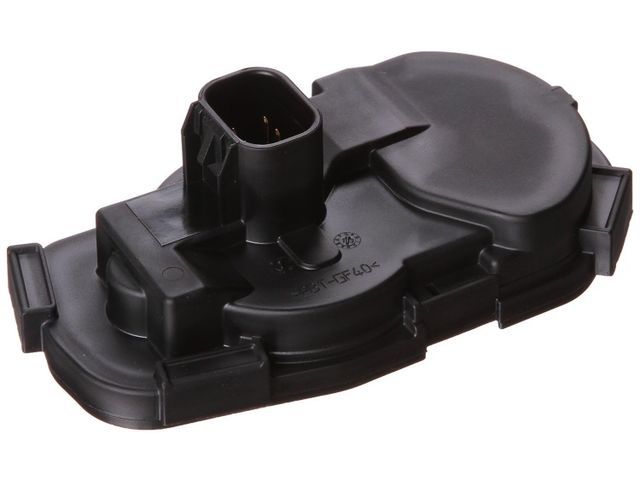
This is an electronic sensor that clips onto the side of the throttle body assembly. It uses a 6-pin electrical connector. For the 2007-2014 generation, it is a serviceable, non-integrated part.
We Have This Part in Stock


The information in this article is provided for general reference and educational purposes only. Vehicle specifications, procedures, and part compatibility can vary by production date, trim level, and region. Always consult your vehicle's factory service manual and verify part numbers before purchasing or performing repairs. Safety-critical components such as airbags, seat belts, and braking systems should be installed by a qualified professional.
- Chevrolet Tahoe: