

A Guide to Replacing the Starter in Your 2005-2015 GMC Yukon
Don't get stranded by a bad starter; here's what every 2005-2015 GMC Yukon owner needs to know before buying a new one.
- Always test the battery and its connections first; many starter issues are actually power supply problems.
- A single, loud click without the engine cranking is a classic sign of a failed starter motor in a Yukon.
- Heat from the engine is a major cause of starter failure; always transfer the original heat shield to the new part.
- Replacement is a manageable DIY job for many owners, typically requiring only basic tools and 1-2 hours.
Is Your GMC Yukon Starter Failing?

A starter motor rarely fails without giving some warning signs. For 2005-2015 GMC Yukon models, the symptoms are usually clear and recognizing them early can save you from being stranded. While many starting issues can be traced back to a weak battery or alternator, certain sounds and behaviors point directly to the starter itself.
Pro Tip: Check Your Battery First!
Many starting problems are caused by a weak or dead battery, not the starter. A rapid clicking sound, for instance, often means the starter isn't getting enough power from the battery. Before you buy a new starter, make sure your battery is fully charged and have it tested. Most auto parts stores offer this service for free. Also, check for loose or corroded battery terminals, as a bad connection can mimic the symptoms of a failing starter.
Common Failure Symptoms

- Single Loud Click, Then Nothing: You turn the key and hear one sharp click from the engine bay, but the engine doesn't crank. This often means the starter solenoid is engaging, but the motor itself has failed to spin.
- Slow or Labored Cranking: If the engine turns over much more slowly than usual, it could be a sign that the starter motor is wearing out and struggling to do its job.
- No Sound or Action: You turn the key and nothing happens. The dash lights may come on, but there is no click and no cranking. 🎬 See how to diagnose a no-crank issue with a good battery. This can point to a completely failed starter motor or a problem in the electrical circuit.
- Grinding Noise: A grinding sound during or after the engine starts can indicate a problem with the starter gear not disengaging correctly from the engine's flywheel.
Choosing the Right Aftermarket Starter

When replacing your Yukon's starter, you'll find several aftermarket brands. They generally fall into different tiers of quality and price. OEM (Original Equipment Manufacturer) parts are what the vehicle was built with, but high-quality aftermarket parts can offer equal performance, often at a better price.
Brand Quality Tiers
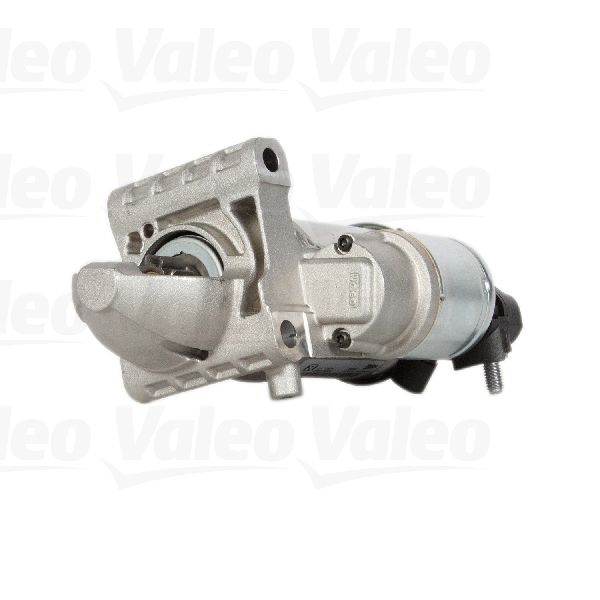
- Premium Brands (Bosch, Denso, Valeo): These companies are often the original equipment suppliers to automakers like GM. Choosing a new starter from one of these brands is the closest you can get to original quality. They are built to high standards and undergo rigorous testing. Valeo, for example, notes that 1 in 3 vehicles worldwide is equipped with their electrical systems.
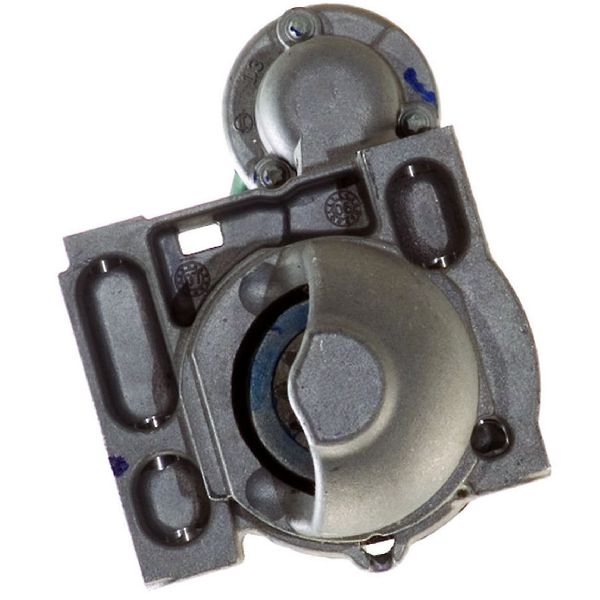
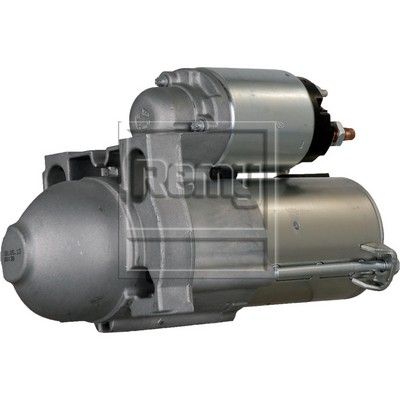
- Quality Aftermarket Brands (Remy, WAI Global): Brands like Remy have a long history, once being part of GM's Delco-Remy division. They are a popular go-to brand for many mechanics, offering a good balance of quality and value. WAI Global is another option often seen as a good quality copy of OEM designs.
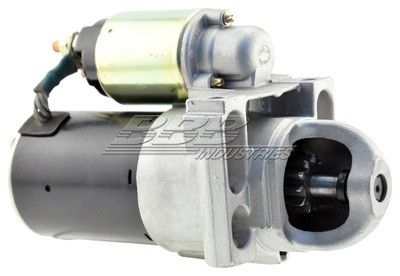
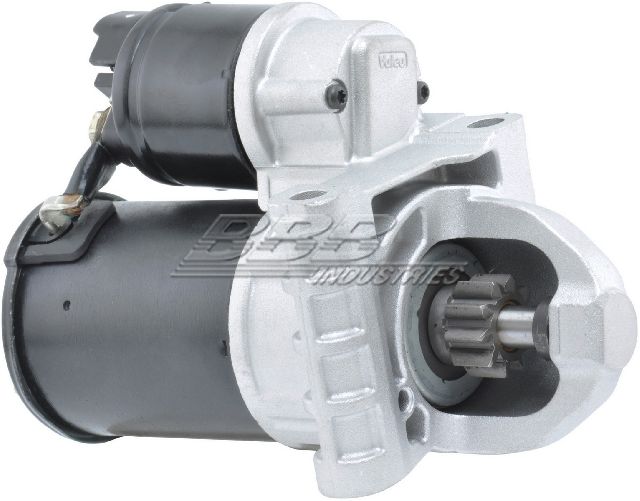
- Standard/Value Brands (BBB Industries, Store Brands): These offer a cost-effective solution. They are typically remanufactured parts that meet original equipment specifications and are a viable option for budget-conscious repairs.
A Note on Heat Damage
The V8 engines in the GMC Yukon generate significant heat, especially near the exhaust manifolds where the starter is located. This "heat soak" is a common cause of premature starter failure. Your original starter has a heat shield for protection. It is critical to transfer this heat shield to the new starter to ensure its longevity. If the shield is missing or damaged, you should get a replacement.
Cost of Replacing a GMC Yukon Starter

The total cost depends on the part you choose and whether you do the work yourself or hire a professional. Labor costs for this job are generally reasonable.
| Item | Estimated Cost |
|---|---|
| New Aftermarket Starter | $109 - $258 |
| OEM Remanufactured Starter | $263 - $435 |
| Shop Labor | $107 - $157 |
| Total (Professional Installation) | $370 - $593 |
Frequently Asked Questions (FAQ)
Is replacing the starter on a 2005-2015 GMC Yukon a DIY job?
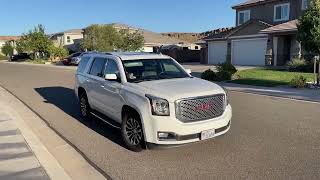
Yes, for a moderately experienced DIYer. The job requires working under the vehicle, disconnecting the battery, and removing a few bolts and electrical connections. It is typically held in by two main bolts, making access the primary challenge. 🎬 Watch a step-by-step guide on removing and replacing the starter. The replacement can usually be completed in 1-2 hours.
Are there any recalls or TSBs for the GMC Yukon starter?
Our research found no specific recalls from the National Highway Traffic Safety Administration (NHTSA) for starter motor failure on the 2005-2015 GMC Yukon. However, manufacturers do issue Technical Service Bulletins (TSBs) to help technicians diagnose known issues, which can sometimes be related to the starting system.
What's the difference between a new and a remanufactured starter?
A new starter is made with 100% new components. A remanufactured starter has been completely disassembled, cleaned, and had its worn or failed components (like brushes and bearings) replaced with new ones before being reassembled and tested to meet original specifications.
Do I need any special tools to replace the starter?
Standard hand tools are usually sufficient. You will likely need a socket set (10mm, 13mm, and 15mm sockets are common), extensions, and a ratchet. Always disconnect the negative battery terminal before beginning work to prevent electrical shorts.
Helpful Videos
Technical Specifications
OEM Part Numbers: 849501
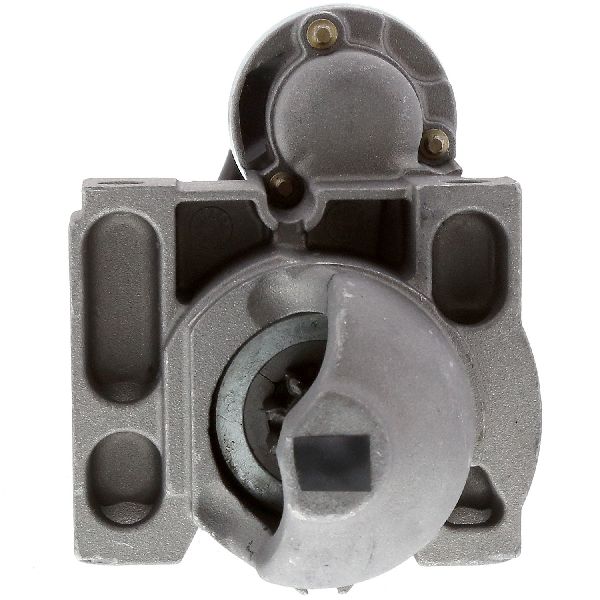
The starter for a 2005-2015 GMC Yukon is a 12-volt, gear-reduction motor. Specifics like kilowatt (kW) rating and tooth count can vary by engine (4.8L, 5.3L, 6.0L, 6.2L) and year, so verifying the exact fitment for your vehicle is crucial.
We Have This Part in Stock

The information in this article is provided for general reference and educational purposes only. Vehicle specifications, procedures, and part compatibility can vary by production date, trim level, and region. Always consult your vehicle's factory service manual and verify part numbers before purchasing or performing repairs. Safety-critical components such as airbags, seat belts, and braking systems should be installed by a qualified professional.
- GMC Yukon: