

Nissan Maxima ABS Wheel Speed Sensor Guide (2005-2015)
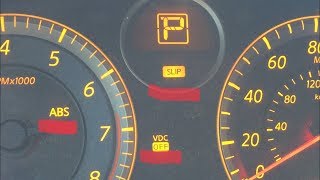
Having ABS, VDC, or SLIP lights on your dash? This guide is for you.
- A lit ABS, VDC, or SLIP light is the primary symptom of a failed sensor.
- Always diagnose with an ABS-capable scanner before buying parts to know which sensor failed.
- For 2005-2008 models, check for corrosion around the rear hubs, as noted in a Nissan TSB.
- Replacing a sensor is a simple DIY job, but be prepared for a potentially seized sensor in rust-prone areas.
Is Your Maxima's Dashboard Lit Up?
One of the most common reasons for the ABS, VDC, and SLIP lights to appear on a 2005-2015 Nissan Maxima is a failing ABS wheel speed sensor. These sensors live in a harsh environment at the wheels and can fail from dirt, debris, or simple wear and tear. When a sensor stops sending correct signals, the car's computer disables these safety systems as a precaution, turning on the warning lights.
Important: Diagnose Before You Buy
Before replacing any parts, get the car scanned with a tool that can read Nissan ABS codes. This will tell you which specific sensor is failing (e.g., 'Front Right Sensor'). Sometimes, the issue can be a simple wiring problem or debris on the sensor head. A proper diagnosis saves you from replacing parts you don't need.
Known Issues for Maxima Owners
While a sensor is a common failure point, be aware of two specific issues for these Maxima generations:
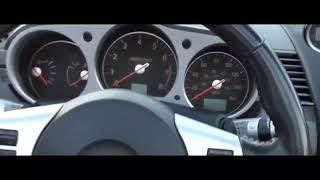
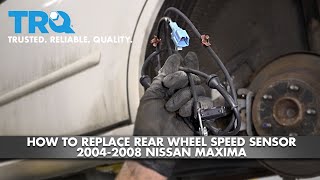
- Rear Sensor Corrosion (2005-2008): Nissan issued a Technical Service Bulletin (TSB) for earlier models where corrosion around the rear hub could cause issues with the ABS sensor. The fix often involves cleaning the hub area and replacing the sensor. 🎬 See how to install a rear sensor on 2004-2008 Maximas.
- ABS Actuator Recall (Affects Later Models, But Good to Know): Certain 2016-2017 Maximas were recalled for a faulty ABS actuator that could leak brake fluid and cause a fire. While this recall doesn't cover the 2005-2015 range, it highlights that the ABS warning light can sometimes point to a more serious problem than just a sensor. If your ABS light stays on for more than 10 seconds after starting, it's a sign of a potentially serious issue that needs immediate attention.
Choosing the Right Aftermarket Sensor
You don't need to buy an expensive sensor from the dealer. Quality aftermarket parts offer a great balance of price and reliability. Here’s a breakdown of available brands:
- Premium Aftermarket (Delphi, Beck Arnley, Hella, NGK/NTK): These brands are often known for making original equipment (OE) parts for car manufacturers or are highly regarded for their quality. They are engineered to match OE form, fit, and function and are a confident choice for reliability.
- Standard Aftermarket (Dorman, Standard Ignition, Holstein, Walker Products): These brands offer a good value. Dorman is a very common aftermarket brand with a huge catalog of parts. While generally reliable for the average driver, quality can sometimes be inconsistent compared to premium brands.
- Value-Oriented (True Tech, Vemo, MTC): These are typically the most budget-friendly options. They can be a good choice if cost is the primary concern, but may not have the same longevity or rigorous quality control as higher-priced brands.
Pro Tip: Check the Harness
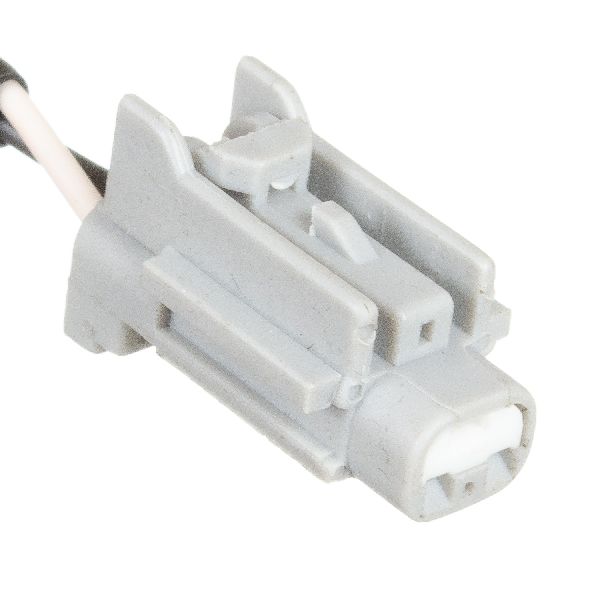
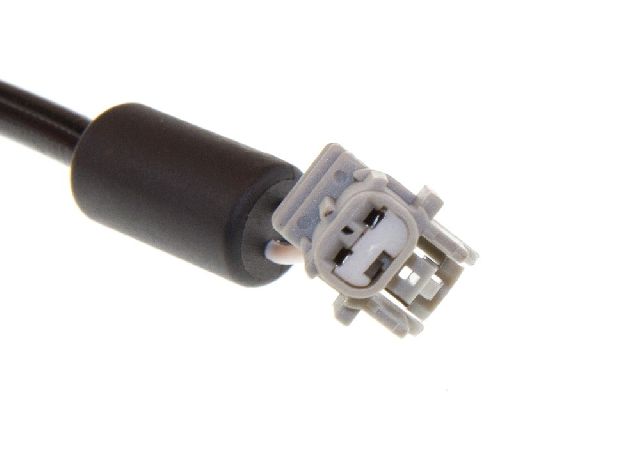
When replacing the sensor, carefully inspect the wiring harness it plugs into. Look for any corrosion in the connector or damage to the wires. Sometimes the sensor is fine, but the connection is the problem.
| Part/Service | Estimated Cost |
|---|---|
| New Aftermarket Sensor | $32 - $189 |
| New OEM Sensor | $95 - $230 |
| Shop Labor for Replacement (per sensor) | $80 - $150 |
Frequently Asked Questions
How do I know which ABS sensor is bad?
The only reliable way is to use an OBD2 scanner that can read ABS-specific codes. The code will point to the exact wheel sensor that has a fault (e.g., C1105 for Rear Right sensor). Trying to guess or replacing them all is expensive and unnecessary.
Can I replace just one sensor?
Yes. The sensors operate independently, so you only need to replace the one that has failed.
Is it difficult to replace an ABS sensor?
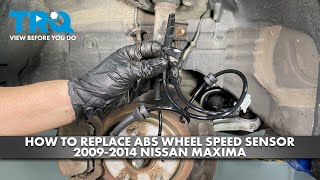
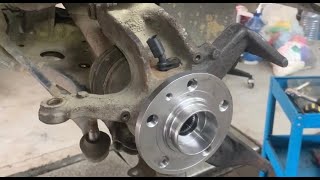
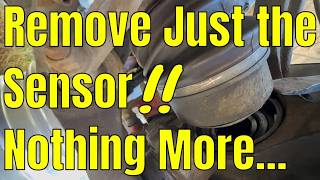
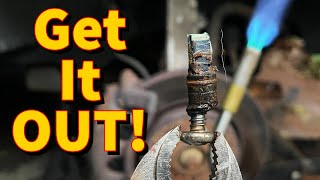
For a DIYer with basic tools, it's usually a straightforward job. You'll need to remove the wheel, unbolt a single 10mm bolt holding the sensor 🎬 Watch this step-by-step sensor replacement for 2009-2014 models., and disconnect the electrical plug. The biggest challenge can be the sensor being seized in the wheel hub due to rust 🎬 Check out this trick for removing a stuck or broken sensor., especially in areas that use road salt.
Could my problem be the ABS module instead of the sensor?
Yes, though it's less common. If you have codes like C1110 (Controller Failure) or if multiple sensor codes appear at once, it could point to the main ABS control module. A module failure is a more complex and expensive repair.
Helpful Videos
Technical Specifications
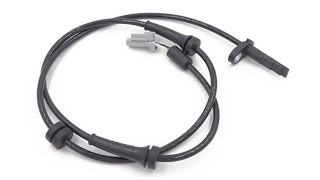
OEM Part Numbers: 47910-JA000 (Front) 47900-7Y000 (Rear)
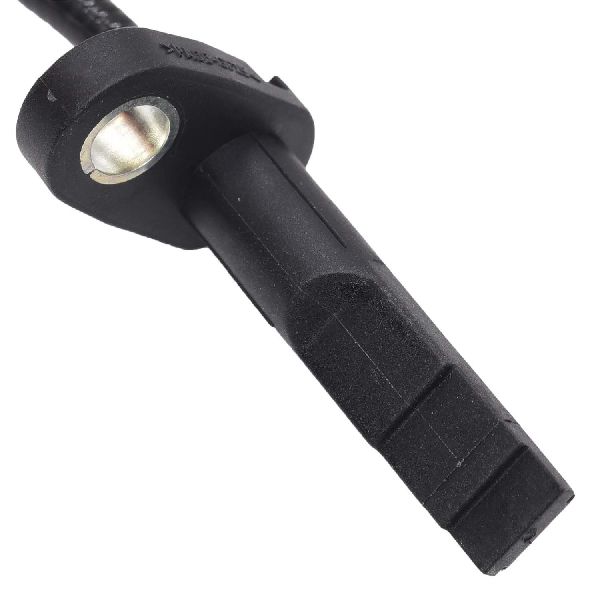
The sensor is a magnetic type that generates a signal as a toothed ring on the axle or hub assembly rotates past it. It connects to the vehicle's wiring harness via a 2-pin plug.
We Have This Part in Stock


The information in this article is provided for general reference and educational purposes only. Vehicle specifications, procedures, and part compatibility can vary by production date, trim level, and region. Always consult your vehicle's factory service manual and verify part numbers before purchasing or performing repairs. Safety-critical components such as airbags, seat belts, and braking systems should be installed by a qualified professional.
- Nissan Maxima: