

A Mechanic's Guide to the Engine Valve Cover Gasket on a 2005-2016 Buick LaCrosse
If you're smelling burning oil or seeing spots on your driveway, your LaCrosse's valve cover gaskets may need attention.
- Before replacing gaskets, check the PCV system. A clog is a common cause of leaks on the 3.6L and 2.4L engines.
- On V6 models, the rear valve cover gasket is significantly harder and more expensive to replace than the front one.
- Owners of early LaCrosse models with the 3.8L V6 should be aware of the historical fire risk associated with valve cover gasket leaks.
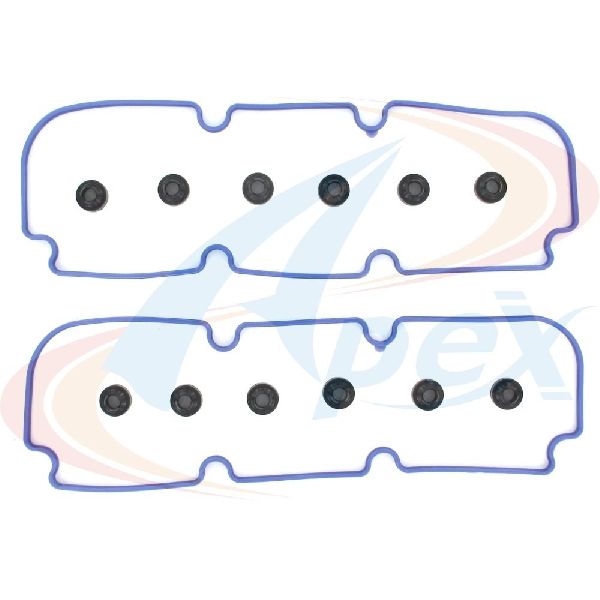
- Always replace the small bolt grommets and spark plug tube seals along with the main gasket for a complete, lasting repair.
Is Your LaCrosse Leaking Oil? Signs of a Bad Valve Cover Gasket
A failing valve cover gasket isn't just a messy problem; it can lead to bigger issues. When the gasket fails, oil escapes. If it drips onto hot engine parts, it can cause a fire. Look for these common symptoms:
- Burning Oil Smell: This is the most common sign. Oil drips onto the hot exhaust manifold and burns off, creating a distinct and unpleasant smell.
- Visible Oil Leak: You may see oil residue on the valve cover itself or streaks of wet oil running down the side of the engine. Over time, this attracts a lot of dirt and grime.
- Low Engine Oil: A steady leak will cause your engine's oil level to drop between changes, possibly triggering the low oil warning light on your dashboard.
- Smoke from Engine Bay: In cases of a significant leak, you might see smoke coming from under the hood as the oil hits the hot exhaust.
- Engine Misfires: If the leak is severe, oil can pool in the spark plug tubes. This can ruin the spark plugs and wires, leading to a rough-running engine or misfires.
Known Issues for 2005-2016 Buick LaCrosse Engines
Your repair strategy should depend on which engine your LaCrosse has.
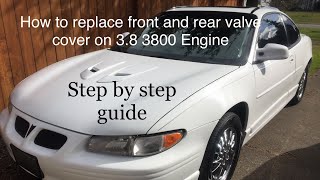
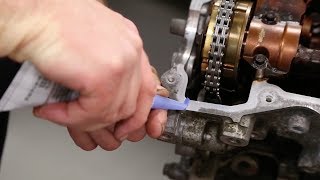
- 3.8L V6 (Primarily 2005-2009): This engine family was part of a major GM recall for valve cover gaskets leaking oil onto the exhaust manifold, creating a fire risk. While the recall officially covered models up to 2004, the 2005-2009 LaCrosse uses a very similar engine. A leak on the front valve cover (closest to the radiator) should be treated with urgency due to its proximity to the hot exhaust crossover pipe. 🎬 Watch: Step-by-step front and rear gasket replacement for 3.8L engines.
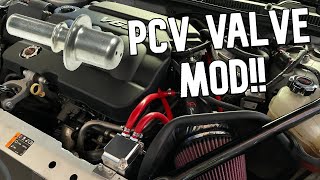
- 3.6L V6 (2005-2016): A common problem with these engines is a clogged Positive Crankcase Ventilation (PCV) orifice. When the PCV system can't breathe, pressure builds up inside the engine and forces oil out past the gaskets. If you are replacing valve cover gaskets on a 3.6L, it is critical to service the PCV system at the same time, or the new gaskets will likely start leaking again. 🎬 See how to locate and service the 3.6L PCV system.
- 2.4L 4-Cylinder (Primarily 2010-2016): Some of these engines were subject to a Technical Service Bulletin (TSB) for excessive oil consumption. While the ultimate fix could involve new pistons and rings, the procedure requires technicians to first rule out any oil leaks. The TSB also notes that oil consumption can clog the PCV system, and instructs technicians to clean the PCV orifice on the valve cover during service.
Choosing the Right Aftermarket Gasket Set
For a part like this, a high-quality aftermarket gasket is often just as good, if not better, than the OEM part. The key is to choose a reputable brand known for quality materials.
- Top Tier (Excellent Quality): Brands like Fel-Pro and Victor Reinz are highly respected by professional mechanics and DIYers. Fel-Pro's PermaDry gaskets are specifically designed to seal imperfect surfaces, which is common on older engines. Victor Reinz is a major OEM supplier and is known for making high-quality, pliable rubber gaskets. You can't go wrong with either of these brands.
- Mid-Tier (Good Quality): Brands like Mahle and Cometic Gasket also have a good reputation and offer reliable products. They are a solid choice if you find them at a good price.
- Economy Tier: Brands like Apex or other store brands will get the job done, but may not have the same longevity or precise fit as the top-tier brands. For the small price difference and the amount of labor involved, investing in a better gasket is usually worth it.
| Part Type | Estimated Cost |
|---|---|
| New Aftermarket Gasket Set | $20 - $99 |
| New OEM Gasket Set | $68 - $82 |
| Shop Labor | $150 - $1100+ |
Pro Tip: The huge range in labor cost is due to engine type. A 4-cylinder engine or the front valve cover on a V6 is relatively simple. However, replacing the rear valve cover gasket on a V6 often requires removing the upper intake manifold, a much more time-consuming and expensive job.
Frequently Asked Questions (FAQ)
Is this a difficult job to do myself?
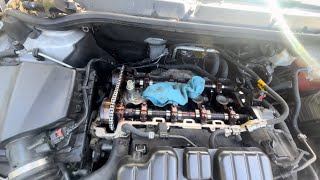
It depends on the engine. For a 2.4L 4-cylinder, it's a straightforward DIY job (Difficulty: 2/5). 🎬 Watch this walkthrough for replacing gaskets on the 2.4L engine. For a V6, replacing the front gasket is also quite manageable for a DIYer (Difficulty: 2/5). However, replacing the rear gasket on a V6 is much more involved because you often have to remove the intake manifold to get access (Difficulty: 4/5).
Do I need to use sealant (RTV) on the new gasket?
Generally, no. High-quality rubber gaskets are designed to be installed dry. However, you should always apply a small dab of RTV sealant at the corners where the engine block, cylinder head, and timing cover meet. These are natural seam points where leaks can occur. Using too much sealant or applying it all the way around the gasket can actually cause it to slip and leak.
Should I replace anything else at the same time?
Yes. It is essential to also replace the spark plug tube seals and the valve cover bolt grommets. These are small rubber seals that get hard and brittle just like the main gasket. They often come in a complete kit, but sometimes must be purchased separately. Also, inspect and consider replacing the PCV valve and hoses, as a clogged system is a primary cause of gasket failure.
What is the difference between cork and rubber gaskets?
Modern engines like those in the LaCrosse use molded rubber gaskets. They are more durable and provide a better seal than older cork-style gaskets. Some aftermarket brands use a proprietary cork-rubber blend, which is also effective. For this vehicle, a quality molded rubber gasket from a brand like Fel-Pro or Victor Reinz is the best choice.
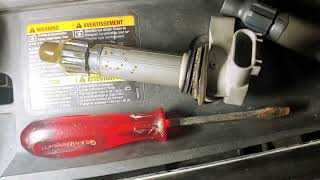
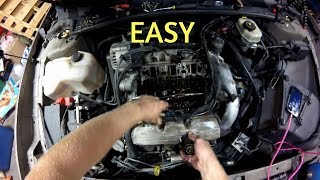
Helpful Videos

Technical Specifications
The most common material for this application is molded rubber. Some aftermarket sets may be a cork-rubber composite. Complete kits should include the main gasket(s), spark plug tube seals, and bolt grommets.
We Have This Part in Stock


The information in this article is provided for general reference and educational purposes only. Vehicle specifications, procedures, and part compatibility can vary by production date, trim level, and region. Always consult your vehicle's factory service manual and verify part numbers before purchasing or performing repairs. Safety-critical components such as airbags, seat belts, and braking systems should be installed by a qualified professional.
- Buick LaCrosse: