

Buick LaCrosse Power Steering Pump: A Guide for 2005-2016 Models
Addressing the common whining noises and stiff steering in your Buick LaCrosse by choosing the right replacement pump.
- First, confirm your LaCrosse has a hydraulic system (belt-driven pump and fluid reservoir), as many 2010+ models have non-compatible electric steering.
- Whining noises and a stiff steering wheel are the primary symptoms of a failing power steering pump.
- In very cold climates, use GM-recommended special fluid (DEXRON HP or Pentosin CHF202) to prevent leaks and damage.
- Always flush the system and consider replacing old hoses when installing a new pump to ensure longevity.
Urgent: Does Your LaCrosse Have a Hydraulic Pump?

Before you buy, you MUST confirm your steering system type. The 2005-2016 LaCrosse used two different systems:
- Hydraulic Power Steering: Found on most 2005-2009 models and many 2010-2016 V6 models (3.0L & 3.6L). These cars have a belt-driven power steering pump with a fluid reservoir you can check. This is the system this part is for.
- Electric Power Steering (EPS): Found on many 2010-2016 models, especially those with 4-cylinder engines. These cars do NOT have a power steering pump or fluid. If you have EPS, this part will not fit.
How to check: Open your hood. Look for a belt-driven pump with lines connected to a power steering fluid reservoir. If you don't see one, you likely have Electric Power Steering.
Symptoms of a Failing Power Steering Pump


When the pump starts to fail, it gives clear warning signs. Ignoring them can lead to a complete loss of steering assist, making the car very difficult to drive.
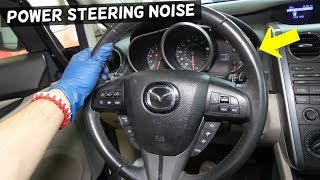
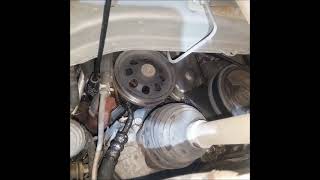
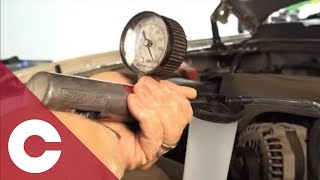
- Whining or Groaning Noises: 🎬 Listen to what a failing pump sounds like here. The most common symptom. You'll hear a whining noise that gets louder when you turn the steering wheel. This is caused by low fluid or the pump's internal parts wearing out.
- Stiff Steering Wheel: The wheel feels heavy and hard to turn, especially at low speeds or when parking. This means the pump isn't providing enough hydraulic pressure.
- Fluid Leaks: You may see puddles of reddish or brownish fluid under the front of your car. Leaks can come from the pump itself or from aging hoses and connections.
- Slow Steering Response: If the steering feels delayed or unresponsive, the pump may not be building pressure quickly enough.
Known Issues: Cold Weather & TSBs
General Motors released Technical Service Bulletins (TSBs) for LaCrosse models with hydraulic steering. In extremely cold climates (-31°F / -35°C and below), the standard power steering fluid can thicken. This causes system pressure to spike, leading to whining noises, fluid leaks, and potential damage to the pump, hoses, or steering gear. If you live in a very cold region, GM recommends flushing the system and using a specific cold-climate fluid like DEXRON HP or Pentosin CHF202 to prevent these issues.
Choosing the Right Aftermarket Pump

When replacing the pump, you have a few quality tiers to consider. This is not a part where the cheapest option is always the best, as a failed replacement means doing the labor all over again.
Pro Tip: Always flush the old, contaminated fluid from the entire system before installing a new pump. Also, consider replacing old, brittle power steering hoses at the same time to prevent leaks that could damage your new pump.
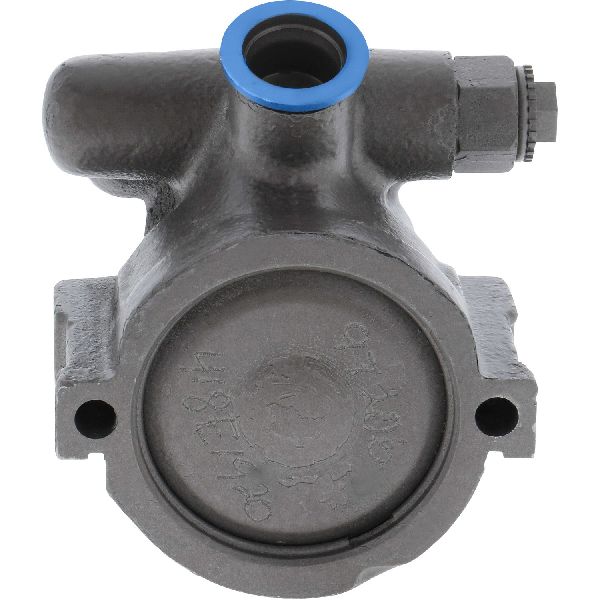
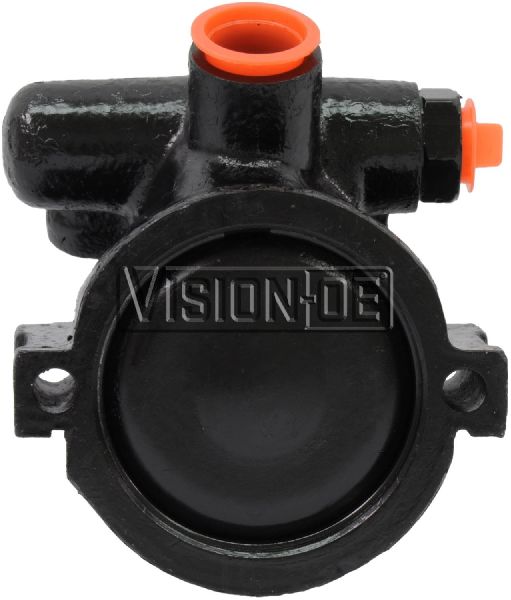
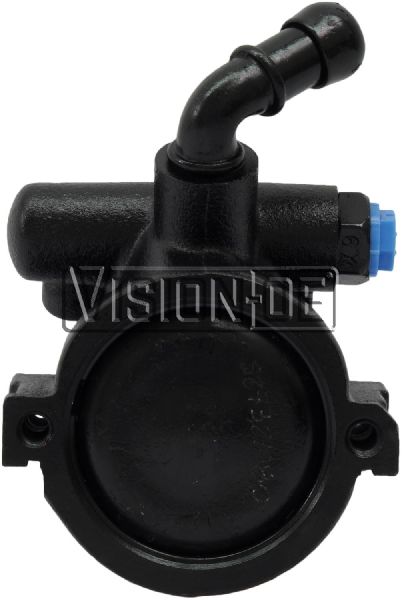
- Premium Aftermarket (e.g., ACDelco): ACDelco is GM's official parts brand and is often the original equipment manufacturer. Choosing their "OE" or "Professional" line is the closest you can get to a factory-quality part, offering the best reliability and fit.
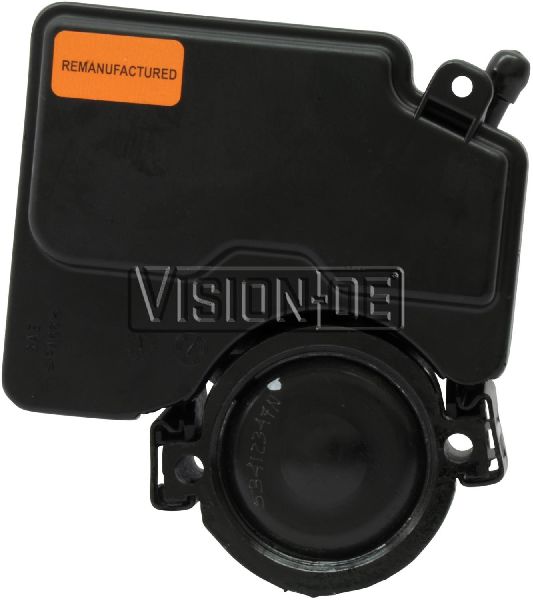
- Standard Aftermarket / Remanufactured (e.g., Cardone, BBB Industries): These brands offer a significant cost saving. Cardone is a major player, offering both new and remanufactured pumps. Remanufactured parts are rebuilt from original cores, with worn components like seals and O-rings replaced. However, owner feedback on remanufactured parts is often mixed, with some experiencing early failures. They can be a good value, but there is a higher risk compared to a new, premium part. Many of these parts require a "core charge," which is a deposit you get back when you return your old pump.
Cost of Replacing a Buick LaCrosse Power Steering Pump
The total cost depends on the parts you choose and whether you do the job yourself or hire a professional.
| Item | Estimated Cost |
|---|---|
| New Aftermarket Pump | $93 - $312 |
| New OEM Pump | $200 - $400 |
| Shop Labor | $320 - $465 |
| Total Professional Job | $550 - $800+ |
Frequently Asked Questions
Can I replace the LaCrosse power steering pump myself?
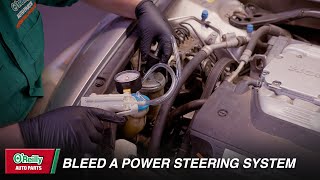
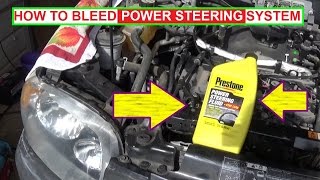
Yes, if you have moderate mechanical experience. The job involves removing the serpentine belt, unbolting the pump, disconnecting high-pressure lines, and then bleeding the system. 🎬 See how to correctly bleed air from the system. It can be messy and requires specific tools, like a pulley puller/installer and line wrenches. For most DIYers, it takes about 2-4 hours.
What kind of power steering fluid should I use?
Always check your owner's manual first. For most conditions, a standard high-quality power steering fluid meeting GM specifications is fine. However, if you live in an area with severe winters, GM specifically recommends using DEXRON HP or Pentosin CHF202 fluid to prevent cold-weather damage, as noted in official service bulletins.
Does the new pump come with a pulley or reservoir?
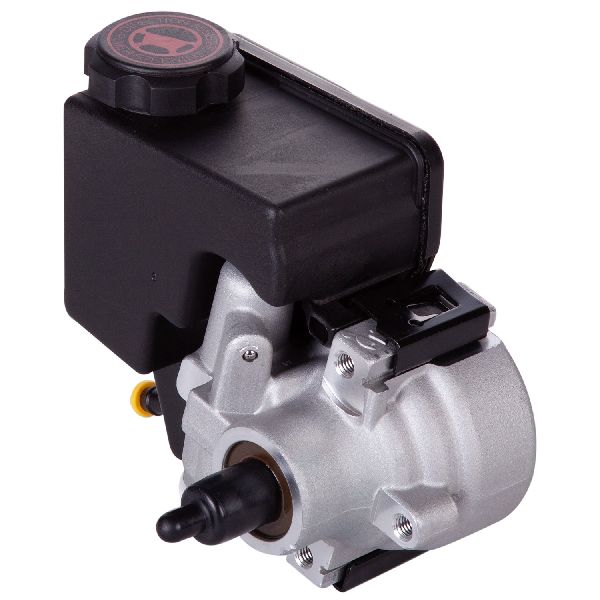
It depends on the brand and part number. Many aftermarket pumps do not include the pulley, requiring you to transfer the one from your old pump. Some come with a new reservoir attached, while others require you to reuse your old one. Always read the product description carefully to see what is included.
What is a core charge?
A core charge is a deposit paid when you buy a remanufactured part. You get this deposit back when you send your old, failed part (the "core") back to the seller. This allows the manufacturer to rebuild your old part and keep the cycle of remanufacturing going.
Helpful Videos


Technical Specifications
OEM Part Numbers: 13576577 13258062 13258063
System Type: Hydraulic. Drive: Serpentine Belt. Fluid Type: Varies by year and climate, check manual or TSB. Pulley Attachment: Typically Press-On. Reservoir: May or may not be included.
We Have This Part in Stock

The information in this article is provided for general reference and educational purposes only. Vehicle specifications, procedures, and part compatibility can vary by production date, trim level, and region. Always consult your vehicle's factory service manual and verify part numbers before purchasing or performing repairs. Safety-critical components such as airbags, seat belts, and braking systems should be installed by a qualified professional.
- Buick LaCrosse: