

Dodge Challenger (2008-2016) Suspension Stabilizer Bar Link Kit Guide
Eliminate that annoying clunking noise from your suspension and restore your Challenger's sharp handling.
- The most common sign of failure is a clunking or rattling noise over bumps.
- Aftermarket links, especially heavy-duty or performance versions, are often a significant durability upgrade over the stock parts.
- Always replace stabilizer bar links in pairs (both front or both rear) to ensure balanced and safe handling.
- The replacement is a straightforward job for a DIY mechanic with basic tools and can be completed in under two hours.
Is Your Challenger Making a Clunking Noise?
The most common sign of a failing stabilizer bar link is a distinct clunking, rattling, or knocking sound from the front or rear suspension. You'll usually hear this noise most when driving over bumps, potholes, or uneven roads at lower speeds. Many Challenger owners first notice the problem as a persistent rattle that wasn't there before. 🎬 Watch: Hear what a failing Challenger front end clunk sounds like. As the part wears out more, you might also notice that your car's handling feels sloppy, with more body roll or lean in corners, making the car feel less stable.
Choosing the Right Aftermarket Stabilizer Link
When replacing the stabilizer links on your 2008-2016 Challenger, you have several options. The original factory (OEM) links are known to be a weak point and can fail. Aftermarket parts offer a range of choices from standard replacements to heavy-duty performance upgrades that can be more durable than the original parts.
Aftermarket Brand Tiers for Dodge Challenger
| Tier | Brands | Description & Quality Assessment |
|---|---|---|
| Standard Replacement | Dorman, MAS Industries | These brands offer a direct replacement for the factory part. They are a cost-effective solution for daily driving and will restore original performance. While generally reliable for normal use, some users report their longevity may not match premium brands. |
| Heavy-Duty / Premium | Mevotech (Supreme/TTX lines) | Mevotech is often considered a step up from standard replacements, with their TTX line being significantly beefier than OEM parts. Many of their links feature greaseable sockets, which allow you to flush out contaminants and extend the part's life. These are a great all-around upgrade for durability. |
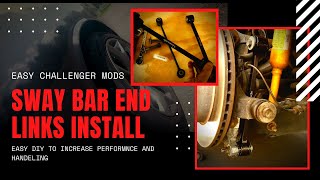
| Performance / Enthusiast | Whiteline, Nolathane | Brands like Whiteline and Nolathane are geared towards performance. They often use polyurethane bushings instead of standard rubber, which reduces deflection and provides a more direct and responsive handling feel. These are excellent choices for lowered cars, autocross, or spirited street driving where maximum handling performance is desired. | 🎬 See this DIY guide for installing performance sway bar end links.
Known Issues & Recalls
While there are no specific recalls for the stabilizer bar links on the 2008-2016 Dodge Challenger, there have been numerous recalls for other vehicle components, including airbags. A Technical Service Bulletin (TSB #02-005-23) was issued for some 2023 models regarding a knock or rattle from the front suspension caused by control arm bushings, which produces a similar sound to a bad stabilizer link. However, this TSB does not apply to the 2008-2016 year range. Always verify any open recalls for your specific vehicle's VIN with the NHTSA.
Frequently Asked Questions (FAQ)
Should I replace stabilizer links in pairs?
Yes, it is highly recommended to replace stabilizer bar links in pairs (both front links or both rear links at the same time). Since they wear at a similar rate, replacing just one can lead to unbalanced handling. Replacing them in pairs ensures predictable performance and saves you from having to do the same job again in the near future.
What is a 'greaseable' stabilizer link?
Some aftermarket stabilizer links, like many from MOOG and Mevotech, come with a grease fitting (zerk). This allows you to periodically add new grease with a grease gun. This simple maintenance pushes out old grease, water, and dirt, which helps the internal joint last much longer than a sealed, non-serviceable unit.
Are heavy-duty links worth it for a daily driven Challenger?
For many owners, yes. The stock links are not known for their strength. A heavy-duty aftermarket link, often made with a thicker steel body and more robust joints, provides greater durability for a relatively small increase in cost. This can be a smart investment even for daily driving, especially if you live in an area with rough roads.
What's the difference between front and rear links?
Front and rear stabilizer bar links are not interchangeable. They have different lengths and sometimes different mounting styles to fit the specific suspension geometry at each end of the car. When ordering, make sure you are purchasing the correct links for the front or rear axle as needed.
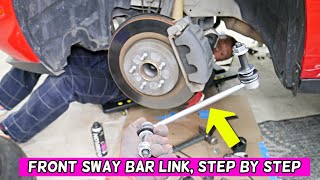
🎬 Watch: A step-by-step walkthrough for replacing your front sway bar links.Helpful Videos
Technical Specifications
OEM Part Numbers: 4766866AA 4895483AC 4895482AC 4782952AD
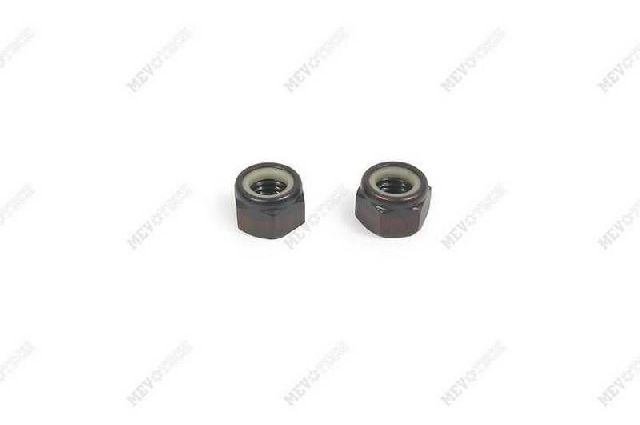
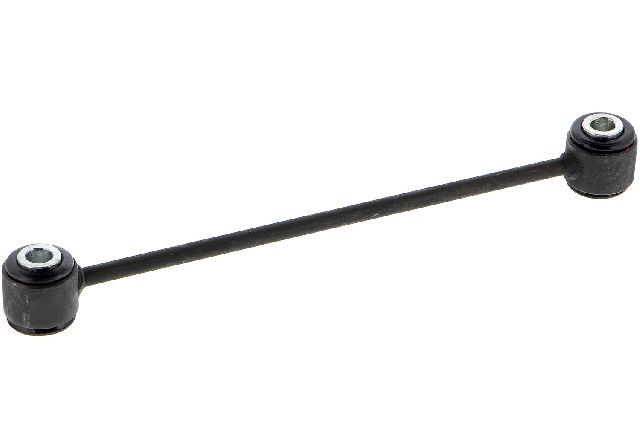
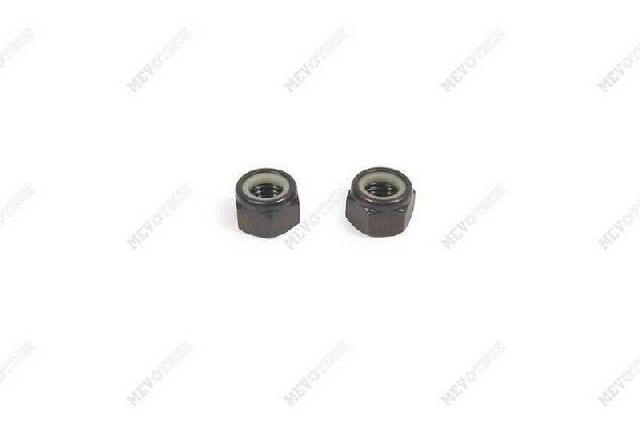
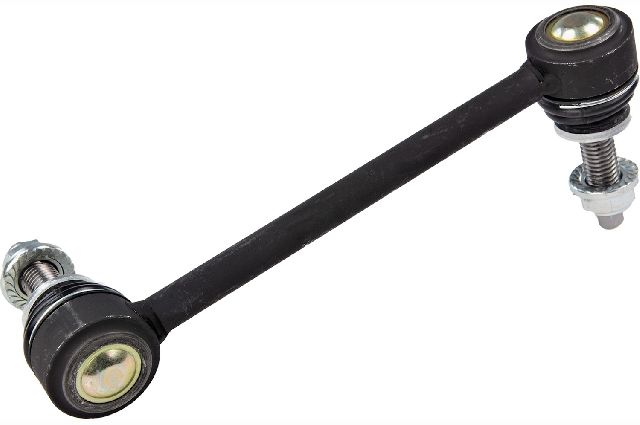
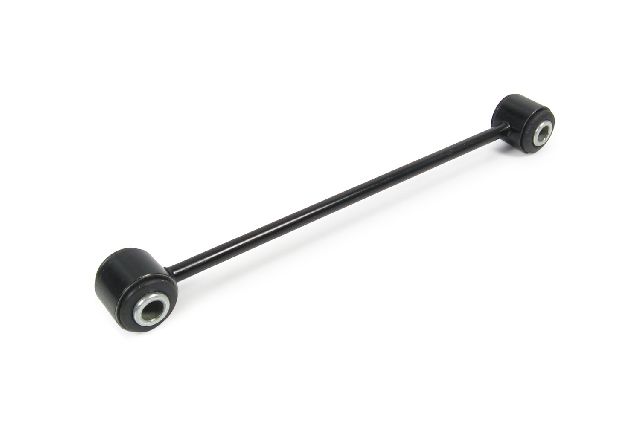
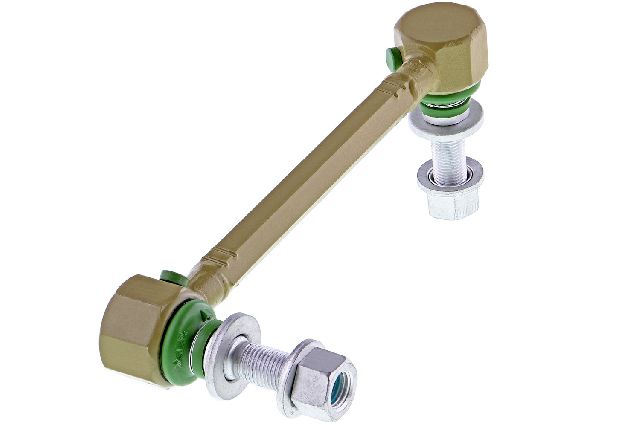
The kit consists of a metal rod with a ball joint or bushing at each end. For RWD models, the front left and front right links are different part numbers. AWD models may use the same part for both sides. Aftermarket options may include features like grease fittings and heavier-gauge steel construction.
We Have This Part in Stock

The information in this article is provided for general reference and educational purposes only. Vehicle specifications, procedures, and part compatibility can vary by production date, trim level, and region. Always consult your vehicle's factory service manual and verify part numbers before purchasing or performing repairs. Safety-critical components such as airbags, seat belts, and braking systems should be installed by a qualified professional.
- Dodge Challenger: