

Dodge Durango Engine Oil Temperature Sensor: A Guide for 2005-2016 Models
Solving check engine lights and faulty gauge readings related to your Durango's oil temperature sensor.
- First, check the sensor's wiring for damage, as this is a very common failure point.
- Identify your engine (3.6L V6 or 5.7L V8) before starting, as the sensor location and job difficulty are completely different.
- A check engine light with codes P0196, P0197, or P0198 is the most direct sign of a sensor issue.
- For the difficult V6 replacement, using a higher-quality aftermarket brand is recommended to avoid repeat repairs.
Is Your Durango's Oil Temperature Sensor Failing?
A bad engine oil temperature sensor is a common issue that will almost always trigger the check engine light. You might also notice your oil temperature gauge on the dash behaving strangely. It could jump to hot right after starting, not move at all, or show readings that don't make sense. In some cases, you might even find a small oil leak near the sensor itself.
Check The Wires First!
Before you buy a new sensor, take a close look at the wiring harness connected to it. On many Durangos, the problem isn't the sensor but the wires leading to it. Over time, wires can become brittle, crack, or even get chewed by rodents, causing a short. A reading that is stuck at a very low number (like -40°F) is a strong sign of a wiring or connection problem, not a bad sensor. Inspecting the connector and wires first can save you from buying a part you don't need.
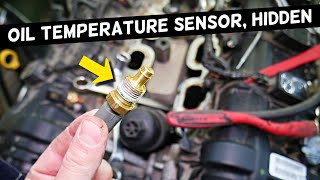
🎬 Watch: How to test and replace a faulty oil temperature sensor.Finding and Replacing the Sensor: V6 vs. V8 Engines
Where you find the sensor and how hard it is to replace depends entirely on which engine your Durango has. This is the most important thing to know before you start.
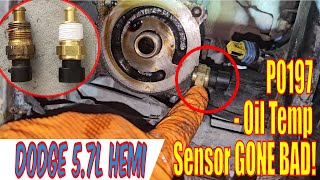
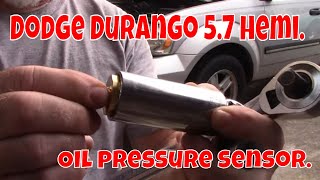
- 5.7L HEMI V8: This is a relatively easy job. The sensor is located on the side of the oil filter housing and is easy to access from underneath the vehicle. You will need to drain the oil and remove the oil filter to get to it. Most DIY mechanics can do this in about an hour. 🎬 Watch this walkthrough for replacing the sensor on a 5.7L HEMI.
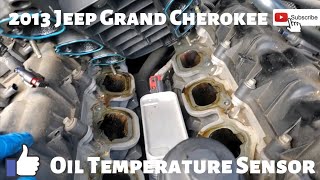
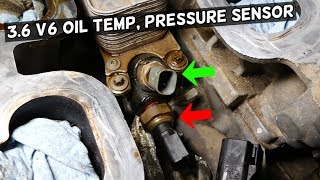
- 3.6L Pentastar V6 (2011-2016): This is a much more difficult job. The sensor is located deep in the engine valley, underneath the upper and lower intake manifolds. Replacing it requires removing the entire intake system, which is a job that can take several hours and is best left to an experienced mechanic. 🎬 See why the 3.6L V6 sensor replacement is so complex.
Choosing the Right Aftermarket Sensor
You don't need to buy an expensive OEM part from the dealer. Aftermarket brands offer good quality for less money. Here’s a breakdown of your options:
- Good - Standard Ignition (SMP): Generally considered a high-quality aftermarket brand that often meets or exceeds OEM standards. They are a reliable choice, but try to get their standard line (often in a red box) rather than their economy "T-Series" line.
- Standard / Value - Walker Products, Holstein, Crown Automotive, Global Parts: These brands offer a more budget-friendly price. Walker is a well-known name in engine management parts. Holstein claims to use OEM-level factories for their sensors. Crown Automotive can be inconsistent; some parts work fine while others have quality control issues. For the easy-to-replace V8 sensor, a value brand is a reasonable choice. For the labor-intensive V6 job, spending a little more on a brand like Standard Ignition is a smart investment to avoid doing the job twice.
Cost of Replacing the Engine Oil Temperature Sensor
| Part Type | V8 HEMI Cost | V6 Pentastar Cost |
|---|---|---|
| New Aftermarket Part | $19 - $43 | $19 - $43 |
| Shop Labor | $100 - $150 | $400 - $600+ |
| Estimated Total (V8) | $120 - $193 | |
| Estimated Total (V6) | $420 - $643+ | |
Note: Labor costs are estimates and can vary by location. The significant difference is due to the sensor's location on the V6 engine, which requires many hours of labor to access.
Frequently Asked Questions
Where is the oil temp sensor on my 2005-2016 Durango?
On 5.7L V8 models, it's on the oil filter housing, accessible from below. On 3.6L V6 models (2011+), it's under the intake manifolds in the center of the engine.
Can I replace this sensor myself?
If you have a V8 engine, yes. It's a simple job if you're comfortable with doing an oil change. If you have a V6, the replacement is very complex and is not recommended for beginners.
What happens if I ignore a bad sensor?
Your vehicle will likely continue to run, but the check engine light will stay on. More importantly, you won't have an accurate reading of your oil temperature. This could prevent you from knowing if your engine is starting to overheat, which could lead to severe engine damage.
Is the oil temperature sensor the same as the coolant temperature sensor?
No, they are two different sensors that measure two different things. The oil temperature sensor measures the oil, while the coolant temperature sensor measures the engine coolant (antifreeze). Both are important for proper engine function.
Helpful Videos

Technical Specifications
OEM Part Numbers: 5149008AA
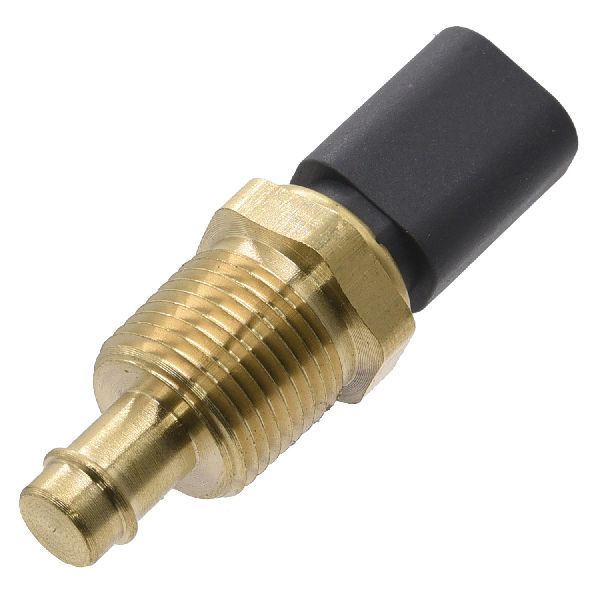
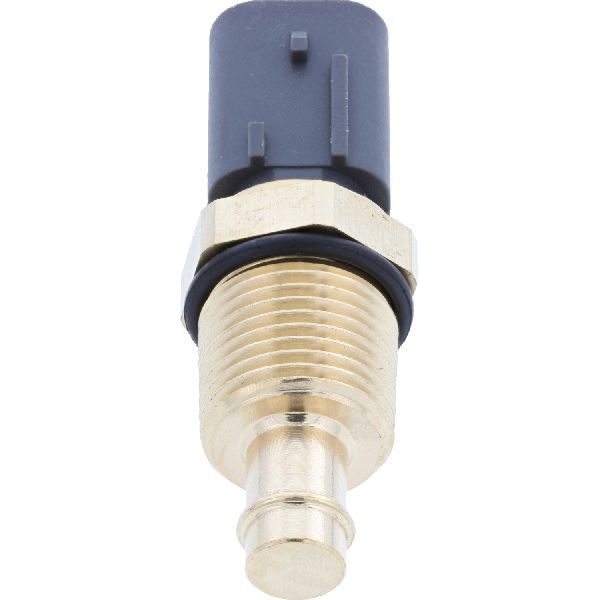
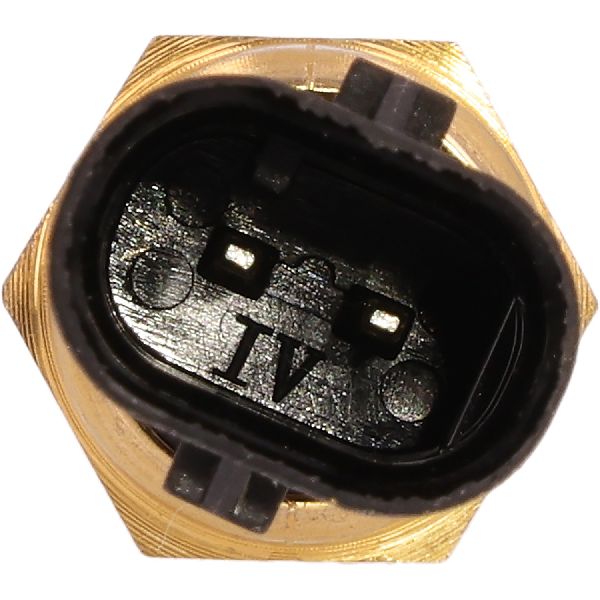
The sensor is a thermistor whose resistance changes with oil temperature, sending a voltage signal to the PCM. It is engine-specific in location.
We Have This Part in Stock


The information in this article is provided for general reference and educational purposes only. Vehicle specifications, procedures, and part compatibility can vary by production date, trim level, and region. Always consult your vehicle's factory service manual and verify part numbers before purchasing or performing repairs. Safety-critical components such as airbags, seat belts, and braking systems should be installed by a qualified professional.
- Dodge Durango: