

Honda Pilot Accelerator Pedal Sensor (APP) Guide for 2005-2016 Models
Experiencing jerky acceleration, a check engine light, or sudden power loss? Your Accelerator Pedal Sensor might be the problem.
- A failing APP sensor is a common issue causing hesitation, limp mode, and the P2138 code.
- Replacement is a simple DIY job that can be done in under an hour with basic tools.
- Driving with a faulty sensor is unsafe due to the risk of sudden power loss.
- Aftermarket brands like Dorman and Standard Ignition are cost-effective, but OEM offers the highest reliability.
Is Your Honda Pilot's Accelerator Pedal Sensor Failing?

A faulty Accelerator Pedal Position (APP) sensor can cause a range of frustrating and potentially dangerous driving issues. Because this sensor is the primary link between your foot and the engine, any malfunction can lead to unpredictable performance. Recognizing the symptoms early is key to avoiding bigger problems.
Top 5 Failure Symptoms
- Hesitation or Lagging Acceleration: You press the gas, but the Pilot takes a moment to respond or feels sluggish.
- Jerky or Erratic Acceleration: The vehicle may surge or lurch unexpectedly, even with steady pressure on the gas pedal.
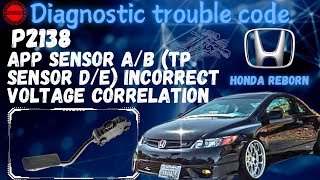
- Check Engine Light: The most common sign is a check engine light. A code scanner will often show P2138, which points to a voltage correlation error between the sensor's internal circuits.
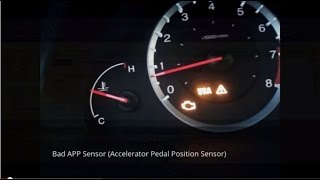
- Vehicle Enters 'Limp Mode': The vehicle's computer may protect the engine by drastically reducing power. You'll notice very slow acceleration, and the VSA and/or a triangle warning light may come on.
- Poor or High Idle: The engine might idle higher than usual or have a rough, inconsistent idle.
Can I Drive with a Bad APP Sensor?
It is not recommended. While you might be able to drive short distances, the risk of the vehicle entering 'limp mode' or losing all throttle response unexpectedly is high. This can be very dangerous, especially in traffic or on a highway.
Choosing the Right Aftermarket Part

When replacing the APP sensor on your Pilot, you have a choice between OEM (Original Equipment Manufacturer) and aftermarket parts. For a critical component like this, quality matters.
- OEM: Genuine Honda parts (part number 37971-RCA-A01) are the benchmark for quality and reliability. They are guaranteed to fit and function correctly but come at a significantly higher price.
- Aftermarket: Brands like Dorman and Standard Ignition offer a more budget-friendly alternative. These parts are designed to be direct replacements. However, owner experiences with aftermarket sensors can be mixed. Some work perfectly for years, while others may fail prematurely or have slight variations in performance. For a daily-driven vehicle, a premium aftermarket brand is often a good balance of cost and quality.
Pro Tip: When ordering, always compare the new part to your old one before installation to ensure all connections and mounting points are identical. Some owners report that a leaking windshield wiper fluid line, which runs near the sensor, can cause premature failure. Check for leaks during your repair.
Cost to Replace Honda Pilot Accelerator Pedal Sensor
| Part or Service | Estimated Cost |
|---|---|
| New Aftermarket Sensor (Dorman, Standard Ignition) | $150 - $160 |
| New OEM Honda Sensor | $230 - $340 |
| Shop Labor | $100 - $150 |
| Total DIY Cost (Aftermarket) | $150 - $160 |
| Total Shop Cost (Aftermarket) | $250 - $310 |
Frequently Asked Questions

Is it hard to replace the APP sensor on a 2005-2016 Pilot?
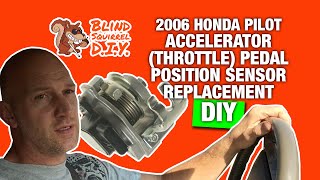
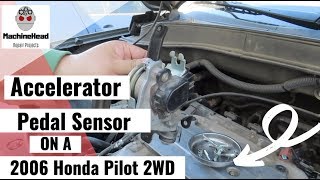
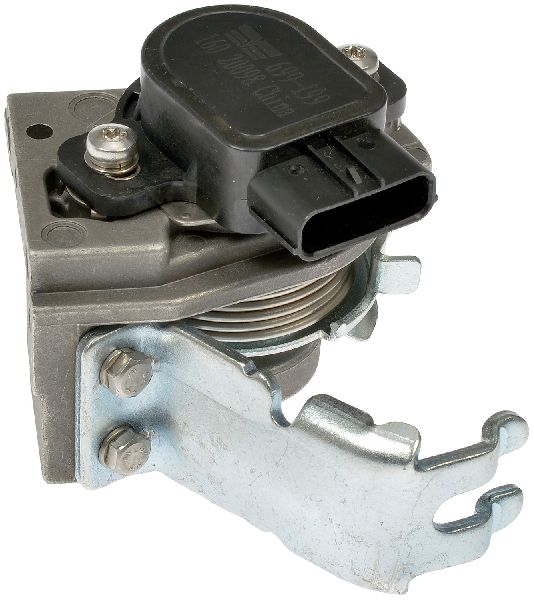
No, this is a very DIY-friendly job. The sensor is located on the driver's side of the engine bay, against the firewall. It requires basic hand tools (like 10mm and 12mm sockets/wrenches) and can typically be done in under an hour. The process involves removing a cover, disconnecting the throttle cable, unplugging the electrical connector, and unbolting the sensor bracket.
Does a new accelerator pedal sensor need to be programmed or calibrated?
For the 2005-2016 Honda Pilot, the APP sensor is a mechanical sensor connected to the throttle cable and does not typically require a special electronic programming or 'relearn' procedure after installation. However, you will need to adjust the throttle cable tension properly to ensure correct operation. After installation, it's always a good idea to disconnect the battery for a few minutes to reset the ECU.
What's the difference between an Accelerator Pedal Position (APP) sensor and a Throttle Position Sensor (TPS)?
On many modern cars, the APP sensor is part of the gas pedal assembly inside the cabin. However, on the 2005-2016 Pilot, the sensor that measures your pedal input is located under the hood and is technically called the Accelerator Pedal Position (APP) sensor. It works with a separate Throttle Position Sensor (TPS) located on the throttle body itself, which confirms the throttle plate's actual position. The P2138 code is triggered when the signals from these related sensors don't match what the computer expects.
Are there any recalls for the Honda Pilot accelerator pedal sensor?
There are no specific recalls for the accelerator pedal sensor on the 2005-2016 Honda Pilot. Searches of the NHTSA database show recalls for other issues on newer models, such as brake pedals, but not for the APP sensor in this year range. The failure is typically due to age and wear.
Helpful Videos
Technical Specifications
OEM Part Numbers: 37971-RCA-A01 37971-RDJ-A01 37971-RBB-003
Located in the engine bay, connected to the throttle cable. This is a dual-circuit sensor that sends two separate voltage signals to the ECU for redundancy and error checking.
We Have This Part in Stock


The information in this article is provided for general reference and educational purposes only. Vehicle specifications, procedures, and part compatibility can vary by production date, trim level, and region. Always consult your vehicle's factory service manual and verify part numbers before purchasing or performing repairs. Safety-critical components such as airbags, seat belts, and braking systems should be installed by a qualified professional.
- Honda Pilot: