

Ignition Knock Sensor Guide for the 2005-2016 Porsche Boxster (987 & 981)
Understanding why your Boxster feels sluggish and how to choose the right knock sensor to restore its performance.
- Choose Bosch for an aftermarket sensor, as they are the original equipment manufacturer for Porsche, ensuring OEM quality.
- A fault code is often caused by a damaged wiring harness from heat or rodents, not always the sensor itself. Always inspect the wiring.
- Due to high labor costs from difficult access, always replace both sensors at the same time, not just the one that failed.
- Driving with a bad knock sensor will cause sluggish performance and can put your engine at risk of serious internal damage.
Is a Bad Knock Sensor Affecting Your Boxster's Performance?
If your Porsche Boxster has lost its responsive feel or a check engine light has appeared, a faulty ignition knock sensor could be the culprit. When this sensor fails, the engine's computer can't tell if detonation is happening. To be safe, it defaults to a 'safe mode' by reducing engine power to prevent damage. This results in the sluggish performance and poor fuel economy that many owners first notice.
A Common Point of Failure: The Wiring
Many Porsche technicians and owners have found that the knock sensor fault codes are often caused by problems with the wiring, not the sensor itself. The wires are located in a hot engine bay, and over time they can become brittle and crack. Rodents are also known to chew on the soy-based wire insulation, causing a complete break in the connection. Before replacing the sensors, it is critical to carefully inspect the wiring harness and connectors for any signs of damage.
Symptoms of a Failing Knock Sensor on a Boxster
- Check Engine Light: This is the most common symptom. You will likely see fault codes such as P0327 (Bank 1) or P0332 (Bank 2).
- Reduced Engine Power: The car will feel noticeably slower and less responsive because the ECU has retarded the ignition timing to protect the engine.
- Poor Fuel Economy: With the engine running in a less efficient state, you will see a drop in your gas mileage.
- Audible Engine Pinging: In some cases, you might hear a metallic pinging or knocking sound from the engine, especially under acceleration. This is the detonation that the faulty sensor is failing to report correctly.
Choosing the Right Aftermarket Knock Sensor
Because replacing the knock sensors on a Boxster requires significant labor, choosing a high-quality, reliable part is essential to avoid doing the job twice. Here is a breakdown of the available brands.
Tier 1: OEM Supplier
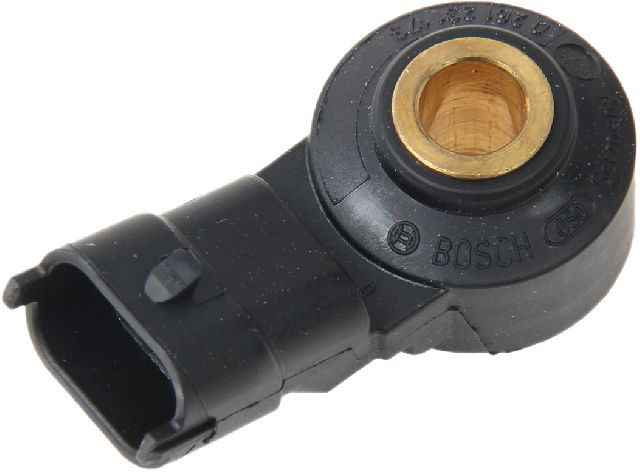
Bosch: Bosch is the Original Equipment Manufacturer (OEM) for Porsche's knock sensors. This means a Bosch sensor from an aftermarket supplier is the exact same part you would get from a Porsche dealership, but without the high price tag. For a critical part like this where labor costs are high, Bosch is the most recommended choice for guaranteed fit and reliability.
Tier 2: Reputable Aftermarket
Facet, Vemo: Brands like Facet and Vemo are well-known in the European auto parts market and produce a wide range of sensors. They can be a reliable and cost-effective alternative to the OEM part, offering a good balance of quality and value.
Tier 3: Budget-Friendly
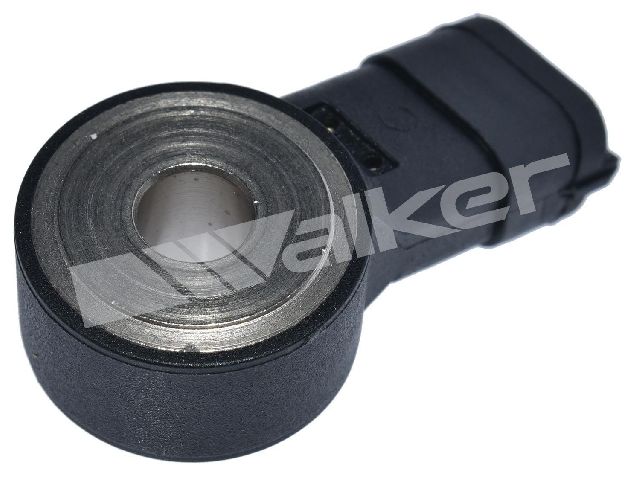
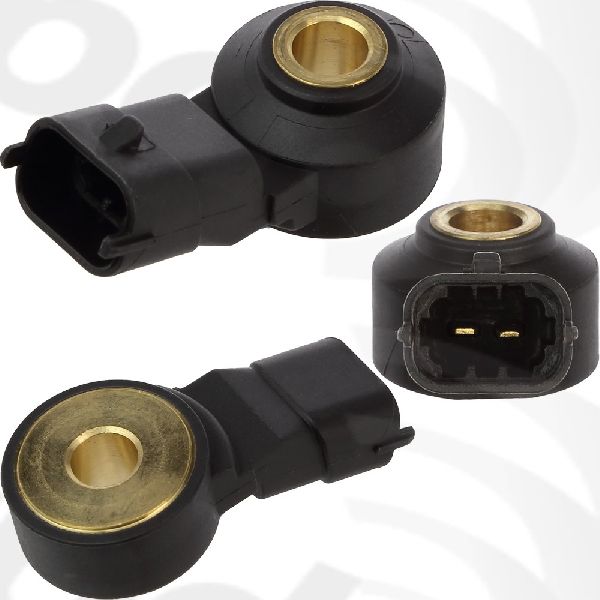
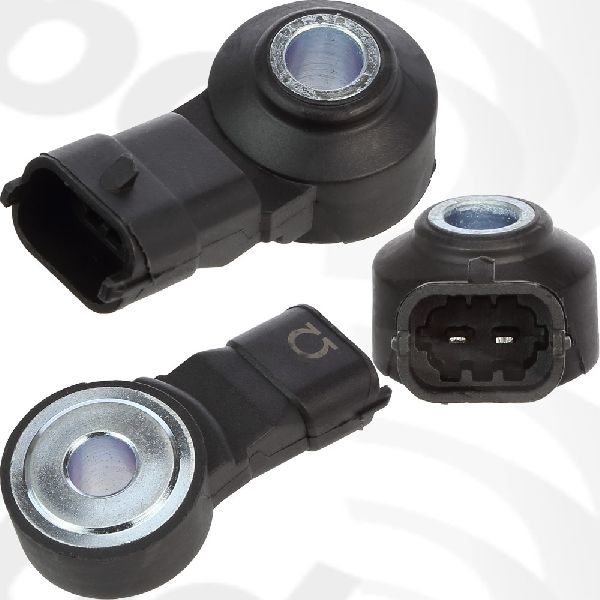
Standard Ignition, Walker Products, Global Parts: These brands provide a more budget-conscious option. While they meet basic fitment requirements, there is less specific feedback available from Porsche owners regarding their long-term reliability and performance compared to OEM-supplier brands.
Knock Sensor Replacement Cost for 2005-2016 Porsche Boxster
| Part / Service | Estimated Cost |
|---|---|
| Shop Labor | $210 - $310 |
| New Aftermarket Sensors (Set of 2) | $65 - $110 |
| New OEM (Porsche Dealer) Sensors (Set of 2) | $175 - $305 |
| Total Professional Replacement (Aftermarket Parts) | $275 - $420 |
Cost estimates are based on national averages and may vary by location and shop.
Pro Tip: Replace in Pairs
The knock sensors are located under the intake manifold, making them difficult and time-consuming to access. The labor cost is the most expensive part of the job. Therefore, it is highly recommended to replace both knock sensors at the same time, even if only one has failed. This prevents you from having to pay for the same labor all over again if the second sensor fails soon after. Also, have your mechanic inspect or replace the wiring harness during the job.
Frequently Asked Questions (FAQ)
Can I replace the knock sensors on my Boxster myself?
This is a challenging DIY job. The sensors are located deep in the engine valley, underneath the intake manifold. Access requires removing several components, including the throttle body and intake plenums. While possible for an experienced home mechanic with the right tools, it is generally considered a job for a professional due to the complexity and risk of damaging other components. The difficulty rating is high.
Is it safe to drive with a bad knock sensor?
You can drive the car, but it's not recommended for long periods. The engine computer will protect the engine by reducing power, but it cannot react to real detonation if it occurs. Continued driving, especially under hard acceleration, risks serious and expensive internal engine damage. It is best to have the issue diagnosed and repaired promptly.
Why does my Boxster have two knock sensors?
The Porsche Boxster has a flat-six "boxer" engine with two separate banks of three cylinders. There is one knock sensor for each cylinder bank (Bank 1 and Bank 2) to accurately monitor for detonation across the entire engine.
Do I need to do anything after the sensors are replaced?
After the new sensors are installed, the mechanic will need to clear the stored fault codes from the engine computer (ECU) using a diagnostic scan tool. No special programming or calibration is required for the sensors themselves.
Technical Specifications
OEM Part Numbers: 99660612501 99660612500 99760612100 0PB905377C
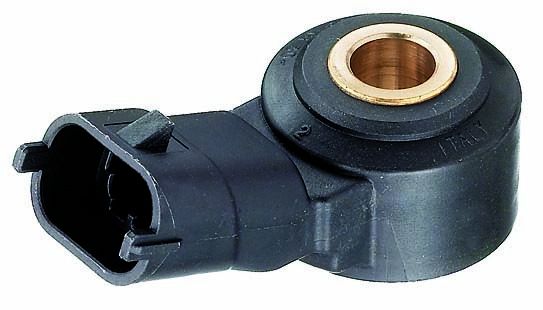
The Porsche Boxster uses two piezoelectric knock sensors, one for each cylinder bank, mounted directly to the engine block. They are designed to detect specific vibration frequencies associated with engine detonation.
We Have This Part in Stock


The information in this article is provided for general reference and educational purposes only. Vehicle specifications, procedures, and part compatibility can vary by production date, trim level, and region. Always consult your vehicle's factory service manual and verify part numbers before purchasing or performing repairs. Safety-critical components such as airbags, seat belts, and braking systems should be installed by a qualified professional.
- Porsche Boxster:
- 🛍️ Shop This Part
- Is a Bad Knock Sensor Affecting Your Boxster's Performance?
- A Common Point of Failure: The Wiring
- Symptoms of a Failing Knock Sensor on a Boxster
- Choosing the Right Aftermarket Knock Sensor
- Tier 1: OEM Supplier
- Tier 2: Reputable Aftermarket
- Tier 3: Budget-Friendly
- Knock Sensor Replacement Cost for 2005-2016 Porsche Boxster
- Pro Tip: Replace in Pairs
- Frequently Asked Questions (FAQ)
- 🎟️ Get 5% Off