

A Scion Mechanic's Guide to Replacing Disc Brake Pads on the 2005-2016 tC
Stop the noise and confusion—here’s how to choose the right brake pads for your Scion tC.
- When replacing pads, always service the caliper guide pins to prevent uneven wear, a known issue on the tC.
- For daily driving, OEM-grade pads from Advics or Akebono offer the best balance of quiet performance and low dust.
- For a performance upgrade, Hawk HPS and EBC Redstuff are popular choices among tC owners but expect more dust and potential noise.
- Check for a rare, optional TRD big brake kit on 2011-2016 models, which was subject to a recall involving the brake hoses.
Signs of Worn Brake Pads on a Scion tC
Your tC will give you clear signs when the brake pads are getting low. Ignoring them can lead to more expensive repairs, like needing to replace brake rotors or calipers. Listen and feel for these symptoms:
- Squealing or Screeching: Most brake pads have a small metal tab called a wear indicator. When the pad material wears down, this tab scrapes against the rotor, making a high-pitched squeal when you brake. This is the most common first sign.
- Grinding Noise: If you hear a harsh, metallic grinding sound, it means the friction material is completely gone. The metal backing plate of the pad is now grinding against the rotor. This is a serious issue that can quickly destroy your rotors. Stop driving the car if possible.
- Spongy or Soft Brake Pedal: If the pedal feels softer than usual or goes closer to the floor, it can indicate worn pads or issues with the brake fluid system.
- Vibration or Pulsing: A pulsing sensation in the brake pedal or steering wheel when braking often points to warped rotors, which can be caused by worn-out pads creating excessive heat.
Known Issue: Uneven Pad Wear
The Scion tC can sometimes experience uneven brake pad wear, where the inner pad wears out much faster than the outer one. This is almost always caused by sticking caliper guide pins. These pins allow the caliper to slide back and forth. If they are dry or corroded, the caliper can't release properly, causing the inner pad to drag on the rotor. During any brake job, it's critical to clean and re-lubricate these pins with high-temperature silicone brake grease.
Choosing the Right Aftermarket Brake Pads for Your tC
The original pads on your Scion tC were likely a ceramic compound, known for being quiet, low-dust, and long-lasting. Aftermarket options give you more choice based on your driving style and budget. Here’s a breakdown of the brands available.
Tier 1: OEM-Grade Replacements
These pads are designed to meet or exceed the performance of the original factory pads. They are perfect for daily driving and offer a quiet, smooth stop with low brake dust.
- Advics: Advics is a trusted OEM supplier for Toyota and is known to have made the original calipers. Choosing their aftermarket pads is the closest you can get to the original parts, ensuring a perfect fit and factory pedal feel.
- Akebono: Another top-tier OEM supplier, Akebono ceramic pads are highly recommended by owners for their quiet operation, extremely low dust, and consistent stopping power. They provide a smooth, linear braking response perfect for a daily driver.
Tier 2: Performance Upgrades
If you drive your tC more aggressively or simply want more initial bite and better fade resistance during heavy braking, a performance pad is a great choice. Expect more brake dust and potentially some noise, especially when cold.
- Hawk Performance (HPS): A favorite among tC enthusiasts, Hawk HPS (High Performance Street) pads offer a significant increase in stopping power over stock. They require a proper "bed-in" procedure to work correctly but reward you with confidence during spirited driving.
- EBC Brakes (Redstuff): EBC Redstuff is a ceramic performance pad that offers a strong bite with lower dust than many semi-metallic performance pads. They are a good balance between daily-driver comfort and high-performance capability.
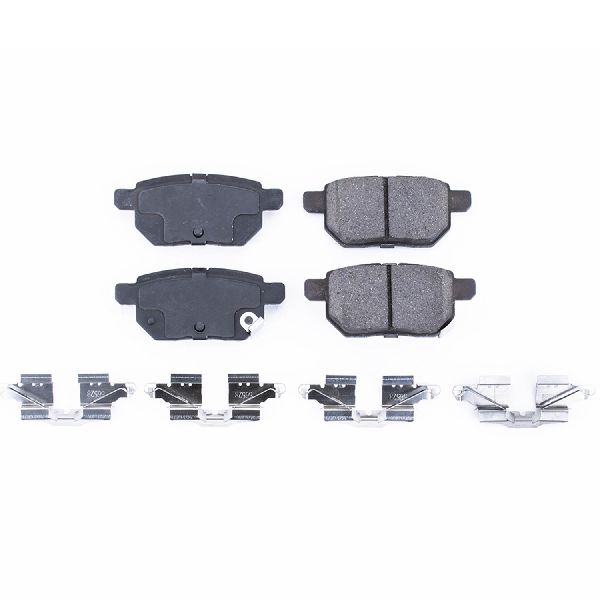
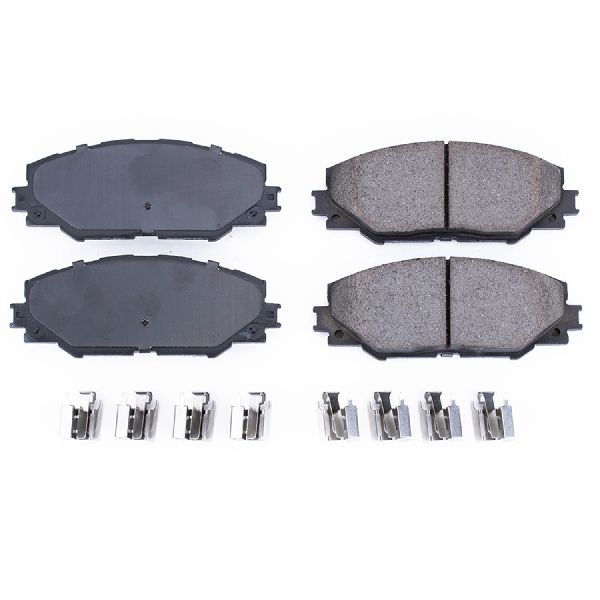
- StopTech / Powerstop: These brands offer popular brake kits and individual pads that provide a noticeable performance boost for the street. They are often compared to Hawk pads and are a solid choice for drivers looking for better braking without the harshness of a full race pad.
Tier 3: Daily Driver & Budget-Friendly
If you use your tC for commuting and just need a safe, reliable, and affordable replacement, these brands offer great value.
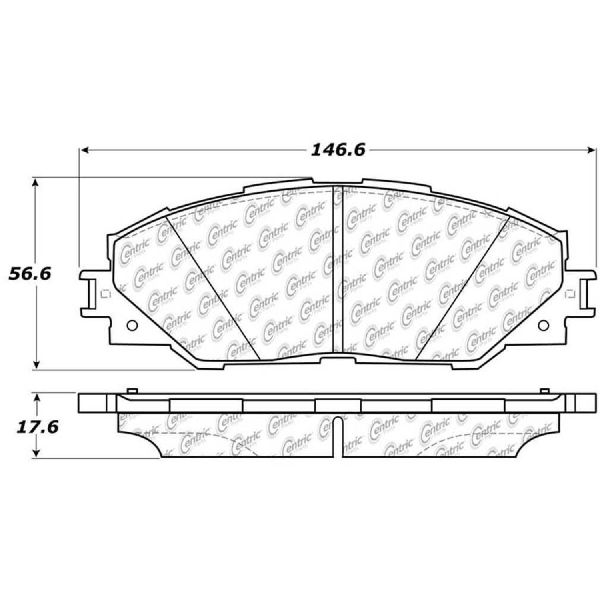
- Centric / Dynamic Friction: Centric is a huge aftermarket manufacturer that offers several lines of pads, from basic replacements to performance options. Their standard daily driver pads are a reliable choice.
- Wagner / Raybestos: These are well-known brands that provide quality replacement parts. Wagner's ThermoQuiet line is known for noise reduction, while Raybestos Element3 pads are also well-regarded by owners for daily use.
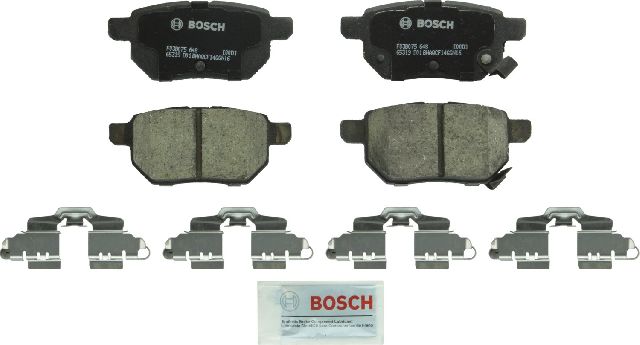
- Bosch: Bosch QuietCast pads are a popular premium replacement that balances performance and comfort, often at a lower price than OEM-grade brands.
Common Ordering Mistake: Rear Pad Thickness (2005-2010)
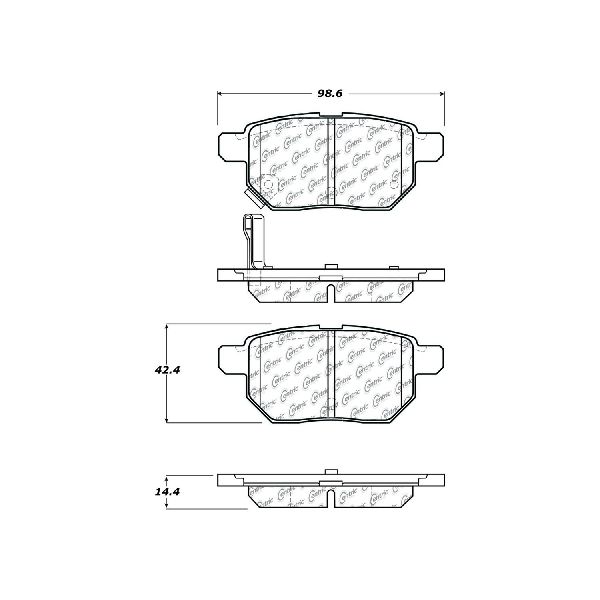
Some owners of first-generation (2005-2010) tC models have reported fitment issues with aftermarket rear brake pads that are slightly thicker than the originals. This can prevent the caliper from fitting back over the new pads and rotor. When ordering, double-check that the pad specifications match the OEM thickness or choose a trusted brand known for correct fitment like Advics or Akebono.
Cost of Replacing Scion tC Brake Pads
Here are the estimated costs for a single axle (front or rear). Prices can vary by location and brand.
| Part Type | Cost Range (Parts Only) |
|---|---|
| New Aftermarket Pads | $24 - $197 |
| New OEM Pads | $50 - $85 |
| Shop Labor | $100 - $200 |
Frequently Asked Questions
Should I replace my rotors at the same time as my pads?
It is highly recommended. New pads perform best on a fresh, flat surface. Installing new pads on old, worn, or warped rotors can cause noise, vibration, and reduced performance. At a minimum, have your old rotors inspected for thickness and runout (warping). Given the low cost of new aftermarket rotors, replacing them with the pads is usually the best practice.
What is the difference between ceramic and semi-metallic pads?
Ceramic pads, like the OEM ones, are made from dense ceramic material. They are very quiet, produce a fine, light-colored dust that doesn't stick to wheels, and are gentle on rotors. Semi-metallic pads contain metal fibers. They offer stronger bite and better high-temperature performance, making them good for aggressive driving, but they are typically noisier, dustier, and wear rotors faster.
Do I need to bed-in my new brake pads?
Yes, especially for performance pads like Hawk or EBC. Bedding-in is a process of several hard stops to transfer an even layer of friction material from the pad to the rotor. This prevents glazing and ensures smooth, powerful braking. Follow the manufacturer's specific instructions included with your new pads.
Is there a recall on the brakes for the Scion tC?
There are no recalls for the standard brake pads. However, there was a recall for an optional TRD (Toyota Racing Development) front big brake kit available for the 2011-2016 tC. The brake hoses in these kits could fail. The fix was to replace the entire TRD kit with standard factory brakes. If you have large red TRD-branded front calipers, check with a Toyota dealer to see if your vehicle was affected.
Technical Specifications
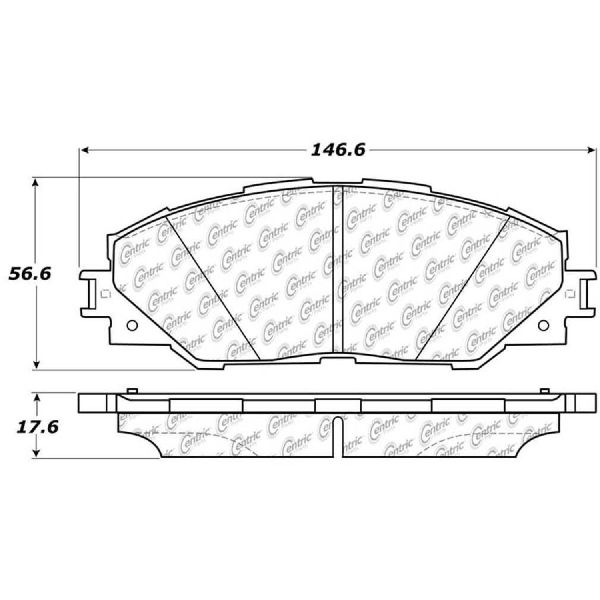
OEM Part Numbers: 04465-21030 (Front, 2005-2010) 04466-21020 (Rear, 2005-2010) 04465-42180 (Front, 2011-2016) 04466-76012 (Rear, 2011-2016)
The Scion tC uses a single-piston floating caliper design for both front and rear brakes. The OEM pad material is typically a ceramic formulation.
We Have This Part in Stock

The information in this article is provided for general reference and educational purposes only. Vehicle specifications, procedures, and part compatibility can vary by production date, trim level, and region. Always consult your vehicle's factory service manual and verify part numbers before purchasing or performing repairs. Safety-critical components such as airbags, seat belts, and braking systems should be installed by a qualified professional.
- Scion tC:
- 🛍️ Shop This Part
- Signs of Worn Brake Pads on a Scion tC
- Known Issue: Uneven Pad Wear
- Choosing the Right Aftermarket Brake Pads for Your tC
- Tier 1: OEM-Grade Replacements
- Tier 2: Performance Upgrades
- Tier 3: Daily Driver & Budget-Friendly
- Common Ordering Mistake: Rear Pad Thickness (2005-2010)
- Cost of Replacing Scion tC Brake Pads
- Frequently Asked Questions
- 🎟️ Get 5% Off