

Scion tC Engine Coolant Temperature Sensor Guide for 2005-2016 Models
Is your Scion tC running rough, getting poor gas mileage, or overheating? Your Engine Coolant Temperature Sensor could be the problem.
- A failing ECT sensor on a Scion tC commonly causes a Check Engine Light (P0117, P0118), poor gas mileage, and overheating issues.
- Denso is the original equipment manufacturer, making it the top aftermarket choice for guaranteed quality and fit.
- Replacement is a simple, beginner-friendly DIY task that takes less than an hour with basic tools.
- No recalls have been issued for this specific part, and failures are typically due to age and normal wear.
Signs of a Failing ECT Sensor in a Scion tC

A bad coolant temperature sensor can cause a range of problems, from annoying to potentially damaging. Because the sensor provides bad information to the car's computer, the engine won't run as it should. Watch for these common symptoms:
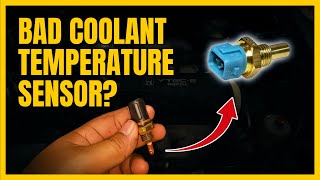
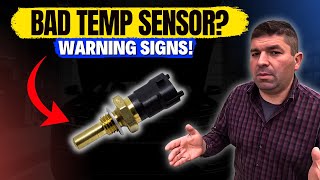
🎬 Watch: 8 common symptoms of a bad coolant sensor- Check Engine Light: This is often the first sign. The ECU will detect a signal from the sensor that is out of the expected range and trigger a fault code. Common codes include P0117 (Circuit Low), P0118 (Circuit High), and P0128 (Thermostat/Coolant Temp).
- Poor Fuel Economy: If the sensor wrongly tells the ECU the engine is cold, the computer will enrich the fuel mixture, causing the car to use more gas than necessary.
- Black Smoke from Exhaust: A very rich fuel mixture can lead to incomplete combustion, resulting in black smoke from the tailpipe.
- Engine Overheating: If the sensor fails to report that the engine is getting hot, the ECU may not turn on the cooling fans when needed, leading to overheating.
- Rough Idle or Hard Starting: Incorrect temperature readings can cause the ECU to set the wrong air-fuel mixture and ignition timing for starting and idling, making the engine run poorly.
- Inaccurate Temperature Gauge: The gauge on your dashboard may not move at all or give fluctuating readings.
Choosing the Right Aftermarket Sensor

For the Scion tC, you don't have to buy a sensor from the dealer to get a quality part. Many aftermarket brands offer excellent quality, and some are even the original equipment manufacturer (OEM). Here’s how they generally stack up:
- OEM-Tier (Best Quality): Denso is the original equipment supplier for many Toyota and Scion parts, including this sensor. Choosing Denso is the closest you can get to the original part without the dealership price tag. NGK/NTK and Delphi are also top-tier manufacturers known for producing reliable sensors that meet or exceed OEM specifications.
- Professional-Grade Aftermarket (Good Quality): Brands like Standard Ignition (SMP) and Beck Arnley are trusted in the repair industry. They provide quality parts that are a solid choice for reliability and performance.
- Value-Oriented (Budget Quality): Brands like Four Seasons, URO Parts, and Facet offer a more budget-friendly option. While they can work, their long-term durability and the consistency of their quality can sometimes be a concern compared to the higher-tier brands.
Pro Tip: Given that Denso is the likely OEM supplier for the Scion tC, it is the most recommended aftermarket choice for a guaranteed fit and long-term reliability.
Known Issues, Recalls, and TSBs
A search of the National Highway Traffic Safety Administration (NHTSA) database shows no specific recalls or Technical Service Bulletins (TSBs) for the engine coolant temperature sensor on the 2005-2016 Scion tC. Most issues are related to normal wear and tear. One limited service campaign was found for some Scion vehicles regarding improper coolant concentration from the factory, which could cause overheating warnings, but this was not a sensor defect.
Frequently Asked Questions (FAQ)

Where is the ECT sensor located on my Scion tC?
The location differs slightly between the two generations.
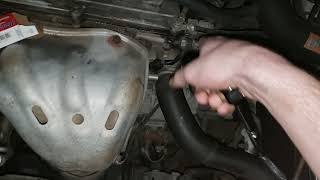
- First Generation (2005-2010 with 2.4L 2AZ-FE engine): The sensor is located on the side of the cylinder head, near the thermostat housing. 🎬 See this walkthrough for locating and replacing the sensor You'll see an electrical connector on it.
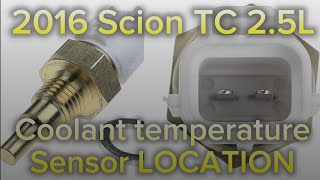
- Second Generation (2011-2016 with 2.5L 2AR-FE engine): The sensor is on the side of the engine, near the top, and is relatively easy to access. It has a gray harness connector.
Is this a difficult part to replace myself?
No, this is a great DIY job for beginners. The sensor is usually easy to access. The main steps are disconnecting the battery, unplugging the electrical connector, and unscrewing the old sensor. You will lose a small amount of coolant, so have the new sensor ready to screw in quickly. A deep socket wrench is the primary tool needed (typically 19mm for the first generation).
Do I need to drain all the coolant to replace the sensor?
You do not need to drain the entire system. When you unscrew the old sensor, some coolant will leak out. To minimize the mess, make sure the engine is completely cool and have the new sensor and its washer ready to install immediately. You can top off the coolant level after the replacement.
Should I replace the thermostat at the same time?
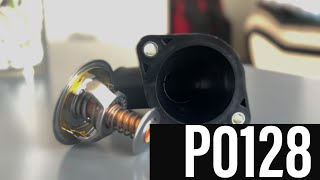
It's not required, but it is a good preventative maintenance item, especially on higher-mileage vehicles. A faulty thermostat can sometimes cause similar symptoms or codes (like P0128). Since you are already working in the cooling system, replacing the thermostat at the same time can save you future labor.
🎬 Watch: How to fix code P0128 by replacing the thermostatHelpful Videos
Technical Specifications
OEM Part Numbers: 89422-35010 89422-33030
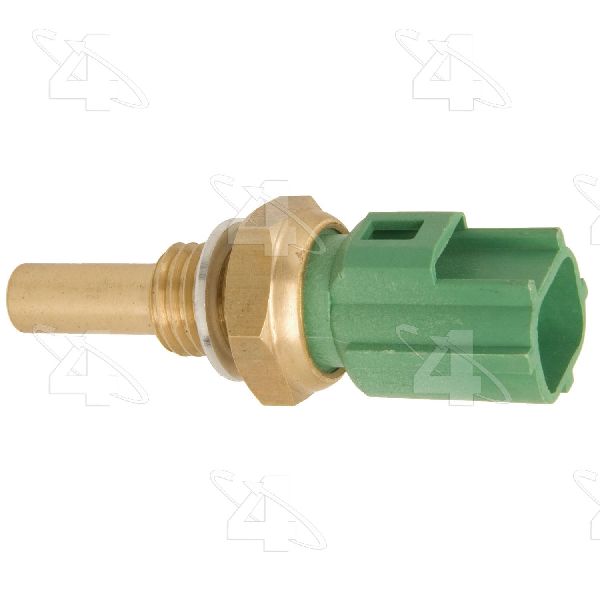
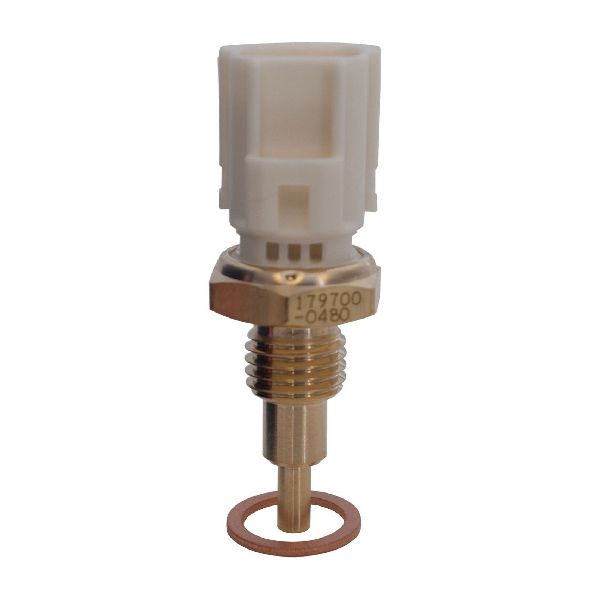
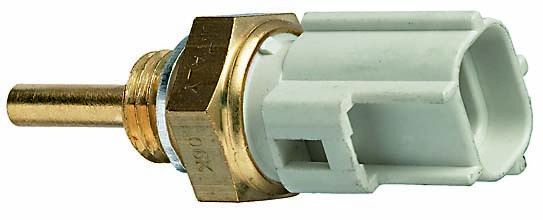
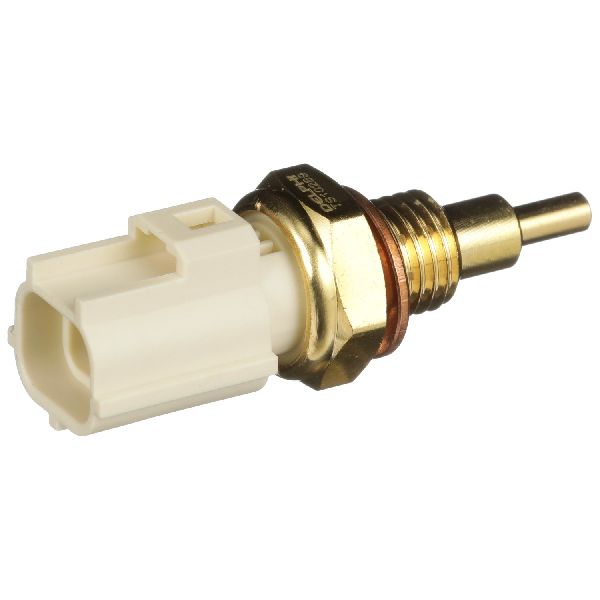
Fits 2005-2016 Scion tC models (both 2.4L and 2.5L engines). Typically a 2-pin connector. Requires a new gasket or sealing washer upon installation.
We Have This Part in Stock


The information in this article is provided for general reference and educational purposes only. Vehicle specifications, procedures, and part compatibility can vary by production date, trim level, and region. Always consult your vehicle's factory service manual and verify part numbers before purchasing or performing repairs. Safety-critical components such as airbags, seat belts, and braking systems should be installed by a qualified professional.
- Scion tC: