

Scion tC Oxygen Sensor Guide: 2005-2016 Replacement and Brand Review
Fix your check engine light and improve fuel economy by choosing the right oxygen sensor for your 2005-2016 Scion tC.
- Your Scion tC has two O2 sensors: an upstream Air/Fuel Ratio sensor and a downstream Oxygen Sensor; they are not interchangeable.
- For best results and to avoid repeat failures, use an OEM-quality brand like Denso or NGK/NTK.
- A P0420 code is common and can be caused by either the downstream sensor or the catalytic converter; replacing the sensor first is a cost-effective diagnostic step.
- Replacement is a manageable DIY job, but requires a special O2 sensor socket and potentially penetrating oil for a seized sensor.
Is Your Scion tC Oxygen Sensor Failing?
A failing oxygen sensor is a common issue that can trigger your check engine light and cause noticeable performance problems. Because the sensor plays a key role in fuel management, ignoring a bad one can lead to reduced gas mileage and potentially damage other expensive components like the catalytic converter over time.
Symptoms of a Bad Oxygen Sensor in a Scion tC
The most obvious sign of a problem is a solid check engine light on your dashboard. Other symptoms are more subtle and can worsen over time.
- Check Engine Light: The most common reason for an O2 sensor-related check engine light is error code P0420 (Catalyst System Efficiency Below Threshold). Other codes include P0137 (O2 Sensor Circuit Low Voltage), P2195, and P2238.
- Poor Fuel Economy: When the engine's computer gets bad data from the sensor, it can't optimize the fuel mixture, leading to your car burning more gas than necessary.
- Rough Idle or Stalling: An incorrect air-fuel mix can cause your tC's engine to run rough, especially when idling.
- Failed Emissions Test: A bad O2 sensor will prevent your car from passing an emissions or smog test.
Choosing the Right Aftermarket Oxygen Sensor
When it comes to sensors, quality and compatibility are key. For the Scion tC, which is a Toyota product, sticking close to the original equipment (OEM) specifications is highly recommended by experienced owners and mechanics.
OEM vs. Aftermarket Quality
Denso is the original equipment manufacturer for many Toyota and Scion parts, including oxygen sensors. Because of this, Denso aftermarket sensors are widely considered the most reliable choice for a direct-fit replacement that performs like the original. NGK (under the brand name NTK) is another top-tier supplier known for its OEM-quality sensors that work well in Japanese vehicles. While brands like Bosch are reputable, some users report that sticking with Denso or NTK provides the most consistent, trouble-free performance in a Scion. Budget brands may be cheaper, but they risk premature failure or incorrect readings, which can cause the check engine light to return.
Brand Tiers for Your Scion tC
- Tier 1 (OEM-Quality): Denso, NGK/NTK. These brands are trusted to provide the same performance and longevity as the factory part. They are the safest bet to fix your check engine light without future issues.
- Tier 2 (Reputable Aftermarket): Bosch, Delphi. These are well-known brands that produce quality parts, though they are not the original supplier for your tC. They can be a good value, but ensure you get the direct-fit model, not a universal one that requires splicing wires.
- Tier 3 (Budget): DriveWire, Spectra, Walker Products. These brands offer a lower price point but may not have the same durability or precise calibration as OEM-quality sensors. They can be a solution if budget is the primary concern, but carry a higher risk of issues.
Common Ordering Mistake: Upstream vs. Downstream
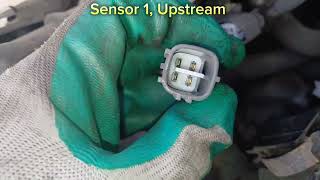
The Scion tC uses two different sensors. The upstream sensor is an Air/Fuel Ratio Sensor, while the downstream is a standard Oxygen Sensor. They are not interchangeable. Always confirm you are ordering the correct sensor for the specific position (Bank 1, Sensor 1 for upstream; Bank 1, Sensor 2 for downstream).
Typical Replacement Costs
The cost can vary significantly based on the brand and whether you do the work yourself. The upstream Air/Fuel Ratio sensor is typically more expensive than the downstream sensor.
| Part Type | Cost Range |
|---|---|
| New Aftermarket (Budget) | $26 - $80 |
| New Aftermarket (OEM-Quality Denso/NGK) | $85 - $180 |
| New OEM | $140 - $300+ |
| Shop Labor | $80 - $150 |
Frequently Asked Questions
How many oxygen sensors does a 2005-2016 Scion tC have?
All 2005-2016 Scion tC models have two oxygen sensors. One upstream (Bank 1, Sensor 1) and one downstream (Bank 1, Sensor 2).
Where are the oxygen sensors located on a Scion tC?
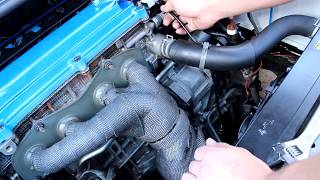
The upstream sensor is in the exhaust manifold, accessible from the engine bay after removing a metal heat shield. 🎬 Watch: How to replace the upstream sensor on 2011-2016 models. The downstream sensor is located under the car, further down the exhaust system after the catalytic converter.
🎬 See this video to find both sensor locations on your tC.Can I replace an oxygen sensor myself?
Yes, this is a DIY-friendly job for most home mechanics. You will need a special oxygen sensor socket, which has a slot for the wire. The biggest challenge can be removing the old sensor if it is rusted in place. Using penetrating oil and ensuring the exhaust is completely cool before starting is recommended.
My car has a P0420 code. Is it the O2 sensor or the catalytic converter?
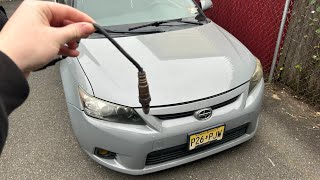
The P0420 code means the catalytic converter's efficiency is low, which can be caused by a failing converter OR a bad downstream oxygen sensor giving a false reading. Since the sensor is much cheaper, it's common practice to replace the downstream O2 sensor first to see if it resolves the code. If the code returns, you may need a mechanic to perform further diagnostics.
🎬 Watch: How to diagnose and fix a P0420 code yourself.Helpful Videos

Technical Specifications
OEM Part Numbers: 89467-21020 89465-21070 89465-21060 89465-21050
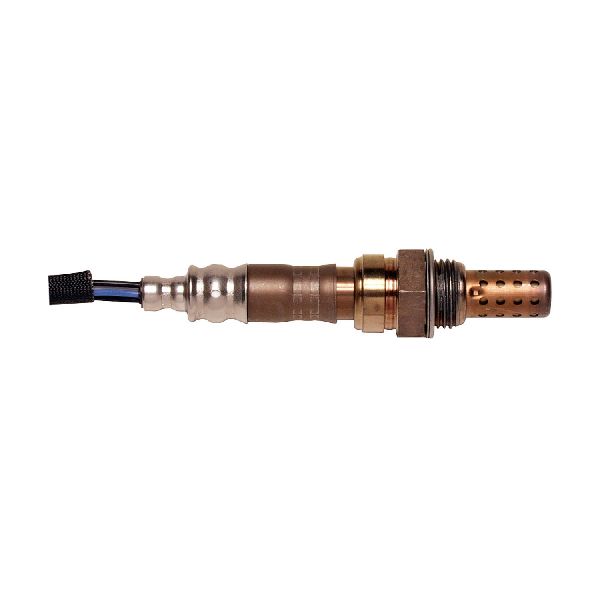
The 2005-2016 Scion tC uses two sensors: one upstream wideband Air/Fuel Ratio (A/F) sensor and one downstream narrowband oxygen (O2) sensor. The first generation (2005-2010) uses the 2.4L 2AZ-FE engine, while the second generation (2011-2016) uses the 2.5L 2AR-FE engine; sensor part numbers differ between generations. Both are 4-wire heated sensors.
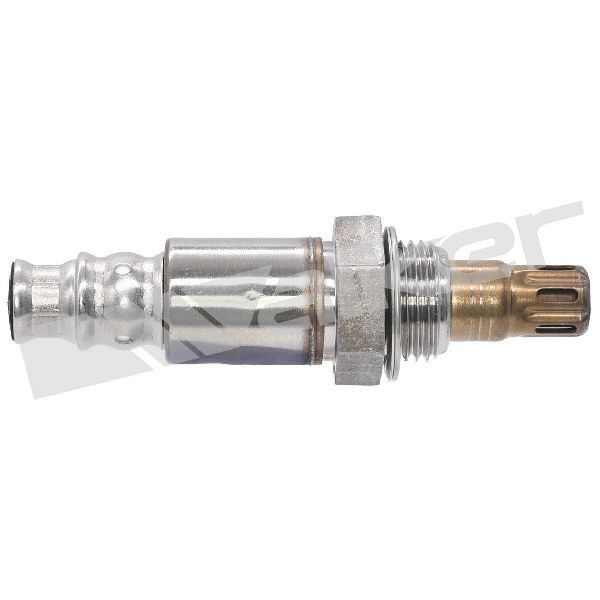
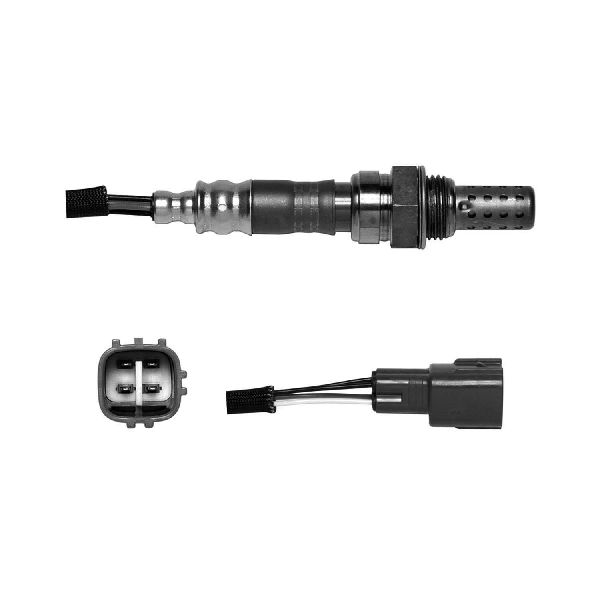
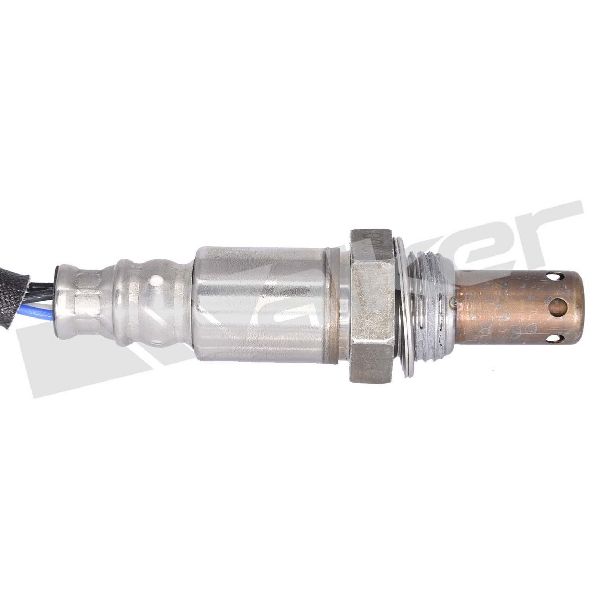
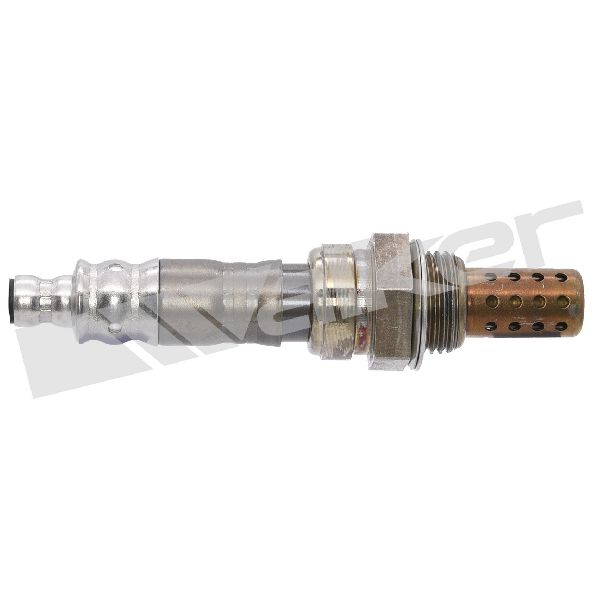
We Have This Part in Stock


The information in this article is provided for general reference and educational purposes only. Vehicle specifications, procedures, and part compatibility can vary by production date, trim level, and region. Always consult your vehicle's factory service manual and verify part numbers before purchasing or performing repairs. Safety-critical components such as airbags, seat belts, and braking systems should be installed by a qualified professional.
- Scion tC:
- 🎬 Helpful Videos
- 🛍️ Shop This Part
- Is Your Scion tC Oxygen Sensor Failing?
- Symptoms of a Bad Oxygen Sensor in a Scion tC
- Choosing the Right Aftermarket Oxygen Sensor
- OEM vs. Aftermarket Quality
- Brand Tiers for Your Scion tC
- Common Ordering Mistake: Upstream vs. Downstream
- Typical Replacement Costs
- Frequently Asked Questions
- 🎟️ Get 5% Off