

Scion tC Serpentine Belt Drive Component Kit Replacement Guide (2005-2016)
Stop engine squealing and protect your accessories by understanding which serpentine kit your Scion tC needs.
- You must correctly identify your tC generation: 2005-2010 (2.4L engine) and 2011-2016 (2.5L engine) use different kits.
- For 2005-2010 models, a known TSB for the tensioner makes replacing the full kit the most reliable repair for noise issues.
- Rattling or grinding noises are serious and point to a failing pulley bearing; the vehicle should be inspected immediately.
- Premium aftermarket kits from Continental or Gates offer OEM-equivalent quality and are a trusted repair option.
Is Your Scion tC Serpentine Belt System Failing?
The serpentine belt and its components are wear items, typically lasting between 60,000 and 100,000 miles. When parts start to fail, your tC will give you clear warning signs. Ignoring them can lead to the belt breaking, which will instantly shut down your water pump and alternator, causing the engine to overheat and stall.
Key Failure Symptoms:
- Squealing or Chirping Noises: This is the most common sign. A high-pitched noise from the engine bay, especially on cold starts or when you accelerate, points to a worn belt or a failing tensioner.
- Rattling or Grinding Sounds: A deeper rattling or grinding noise often means the bearing inside the tensioner or an idler pulley has failed. This is a serious symptom that requires immediate attention.
- Accessory Problems: If you notice dimming headlights, your A/C blowing warm air, or the engine temperature climbing, the belt may be slipping and failing to power those accessories properly. First-generation (2005-2010) models might also experience suddenly stiff or heavy steering.
- Visible Wear: Look at the belt itself. If you see multiple cracks, frayed edges, or a smooth, shiny surface (glazing), it's time for a replacement.
Technical Service Bulletin for 2005-2010 Scion tC
Toyota issued a Technical Service Bulletin (TSB# EG040-04) for the 2.4L 2AZ-FE engine used in the first-generation tC. This TSB addresses owner complaints of squealing or rattling noises from the engine. The fix involves replacing the original belt tensioner with an improved design. If you have a 2005-2010 model and hear these noises, choosing a full component kit that includes a new tensioner is the correct repair.
Choosing the Right Aftermarket Kit for Your tC
When shopping for a serpentine belt drive kit, the most important factor is your Scion tC's model year. The two generations use different engines and require different kits.
- First Generation (2005-2010): Uses the 2.4L 2AZ-FE engine with hydraulic power steering. This system has more pulleys and a longer belt.
- Second Generation (2011-2016): Uses the 2.5L 2AR-FE engine with electric power steering. This system is simpler, with a shorter belt.
Ordering a kit for the wrong generation will not work on your vehicle. Always confirm your tC's year and engine before purchasing.
Brand Quality: Continental vs. Gates
Both Continental and Gates are top-tier aftermarket manufacturers that supply parts directly to automakers. You can trust a kit from either brand to meet or exceed OEM quality. Both are excellent choices, and the decision often comes down to price and availability.
- Continental: A well-respected brand that acquired Goodyear's belt division. Their kits are known for quiet operation and durability.
- Gates: A leading name in belts and hoses, Gates kits are known for their precise fit and long life. Many professional mechanics trust and use Gates parts daily.
Pro Tip: For a high-mileage Scion tC (over 80,000 miles) or if you hear any rattling noises, always replace the full component kit. A new belt on a worn-out tensioner is a recipe for failure, as the old tensioner can ruin the new belt quickly.
Cost of Replacing a Scion tC Serpentine Belt Kit
The total cost depends on whether you do the job yourself or hire a professional mechanic. Below are estimated costs for the complete job.
| Part Type | Estimated Part Cost | Estimated Shop Labor | Estimated Total Cost |
|---|---|---|---|
| New Aftermarket Kit (Continental, Gates) | $183 - $277 | $120 - $225 | $303 - $502 |
| New OEM Kit | $250 - $400 | $120 - $225 | $370 - $625 |
Frequently Asked Questions (FAQ)
Can I just replace the belt and not the whole kit?
You can, but it's not recommended, especially on an older vehicle or if you hear noises. The tensioner and idler pulleys wear out just like the belt. A failing tensioner pulley is a common cause of belt noise and failure. Replacing the complete kit at once saves you from doing the same job twice and ensures the entire system is reliable.
Is an aftermarket kit as good as OEM for my Scion tC?
Yes. Premium aftermarket brands like Continental and Gates are OEM suppliers and their quality is equivalent to the parts you'd get from a Toyota/Scion dealer. Given the TSB for the original tensioner on 1st-gen models, an updated aftermarket design can even be an improvement.
How difficult is it to replace the serpentine belt kit myself?
For a DIYer with the right tools, this job is manageable. The difficulty is about a 3 out of 5. The main challenge is the tight space around the engine. A special serpentine belt tensioner tool is highly recommended to make releasing the belt tension easier and safer. Expect it to take 1-2 hours.
Are there any recalls for the Scion tC serpentine belt?
No, there have been no recalls issued by the NHTSA for the serpentine belt, tensioner, or pulleys on the 2005-2016 Scion tC.
Technical Specifications
OEM Part Numbers: 90916-A2021 90916-02667 90916-02601 90916-02600 90916-02599
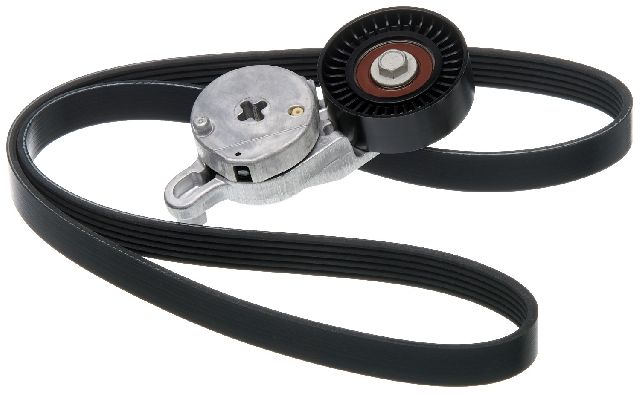
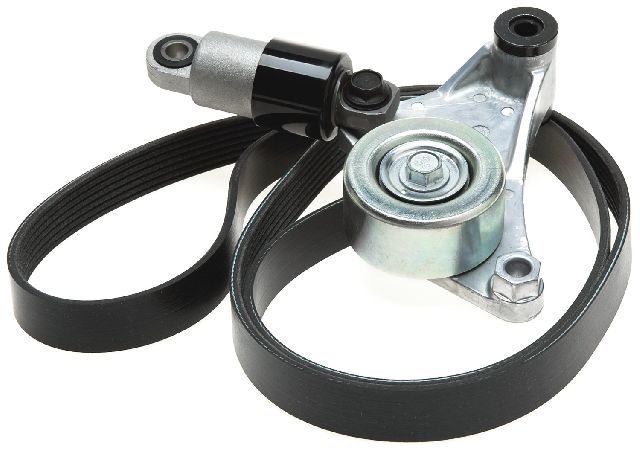
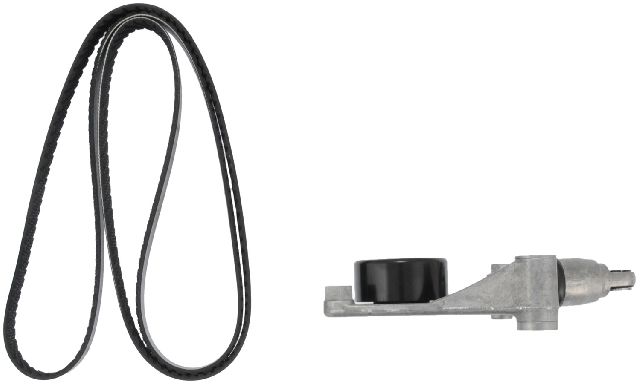
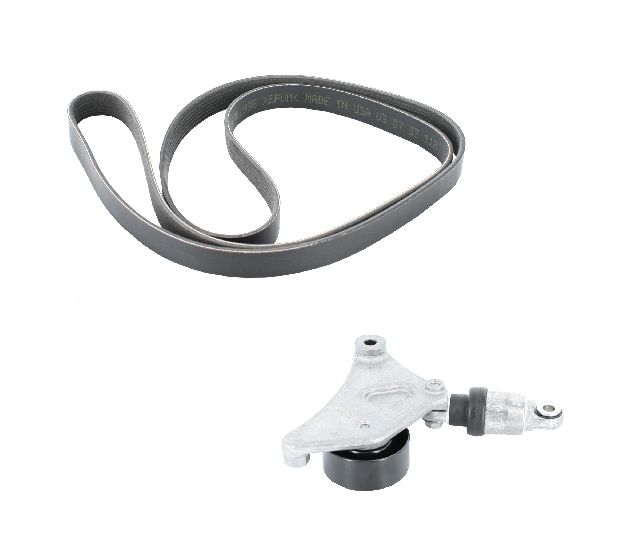
System includes one multi-rib serpentine belt, one automatic tensioner assembly, and may include one or more idler pulleys. First-generation (2005-2010, 2.4L 2AZ-FE) uses a 7-rib belt (approx. 1930mm-1940mm) and drives the power steering pump. Second-generation (2011-2016, 2.5L 2AR-FE) uses a 6-rib belt (approx. 1255mm) and does not drive a power steering pump.
We Have This Part in Stock

The information in this article is provided for general reference and educational purposes only. Vehicle specifications, procedures, and part compatibility can vary by production date, trim level, and region. Always consult your vehicle's factory service manual and verify part numbers before purchasing or performing repairs. Safety-critical components such as airbags, seat belts, and braking systems should be installed by a qualified professional.
- Scion tC:
- 🛍️ Shop This Part
- Is Your Scion tC Serpentine Belt System Failing?
- Key Failure Symptoms:
- Technical Service Bulletin for 2005-2010 Scion tC
- Choosing the Right Aftermarket Kit for Your tC
- Brand Quality: Continental vs. Gates
- Cost of Replacing a Scion tC Serpentine Belt Kit
- Frequently Asked Questions (FAQ)
- 🎟️ Get 5% Off