

Dodge Viper Ignition Knock Sensor: A Guide for the 2005-2017 V10
Protect your Viper’s high-performance engine by understanding knock sensor failure and choosing the right replacement part.
- Replacement is a high-labor job because the sensors are under the intake manifold; always replace both at once.
- Due to the high labor cost, use only top-tier brands like Mopar, Delphi, or NGK/NTK to avoid repeat repairs.
- The most common sign of failure is a Check Engine Light with code P0325 or P0330.
- Driving with a bad knock sensor can lead to poor performance and risks serious, expensive engine damage.
Is Your Viper's Knock Sensor Failing?
A failing knock sensor can put your engine at risk. The most common sign of a problem is a Check Engine Light on your dashboard. You might also notice a decrease in engine power, hesitation when you accelerate, or worse fuel economy. In some cases, you may hear an audible pinging or knocking sound from the engine, especially under load. Because the Viper V10 has two knock sensors (one for each bank of cylinders), you may see trouble codes P0325 for Bank 1 or P0330 for Bank 2.
High-Labor Replacement Job
On the 2005-2017 Dodge Viper, the two knock sensors are located on the engine block, underneath the intake manifold. Replacing them is a difficult and time-consuming job that requires removing the entire intake, which involves draining coolant and disconnecting the fuel system. Due to the high labor cost, it is strongly recommended to replace both sensors at the same time, even if only one has failed. Using a high-quality part is essential to avoid having to do this expensive job twice.
Choosing the Right Aftermarket Knock Sensor
When the cost of labor is much higher than the cost of the part, quality matters most. While a cheap sensor might seem tempting, a premature failure will cost you hundreds of dollars in repeat labor. For a critical, hard-to-reach part on a Viper, sticking to top-tier brands is a wise investment.
Tier 1: OEM and OEM-Equivalent Brands
These brands are known for providing parts to manufacturers or for having a reputation for equivalent quality and reliability. Given the difficulty of this repair, this is the recommended tier.
- Mopar: The original factory part (Part No. 5033316AB) offers a guaranteed fit and performance, but at the highest cost.
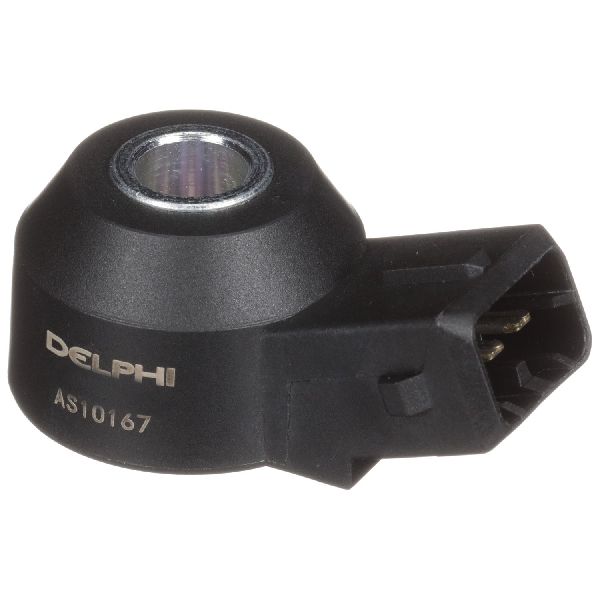
- Delphi: A well-respected OEM supplier for many brands. Delphi sensors are often considered a top-quality alternative to the dealer part.
- NGK (NTK): NTK is the sensor division of NGK. They are a world leader in sensor technology and another excellent choice for reliability.
Tier 2: Reputable Aftermarket Brands
These brands offer a balance of quality and value and are a viable option if a Tier 1 part is not available.
- Standard Ignition (SMP): A long-standing brand in the aftermarket with generally positive reviews, though some mixed experiences exist.
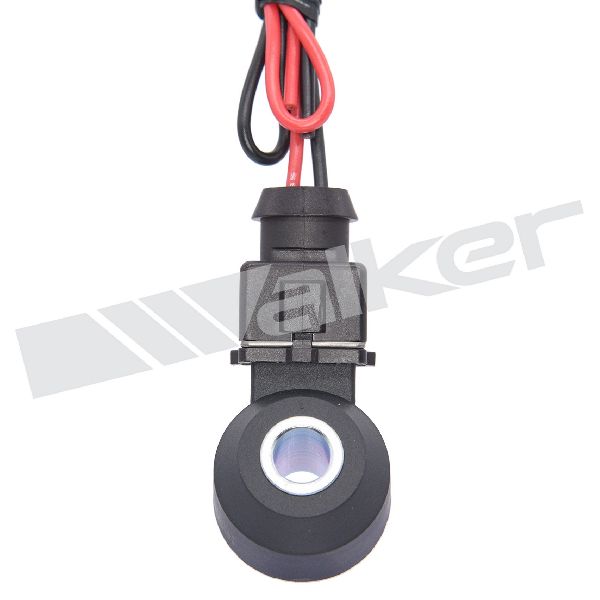
- Walker Products: A known aftermarket manufacturer with a wide range of sensors.
- Beck Arnley / Holstein: These brands often source parts from various manufacturers, including OEM suppliers, and focus on providing parts that meet form, fit, and function standards.
Tier 3: Budget Brands
This category includes brands like Crown Automotive and Global Parts. While these parts are the most affordable, they carry a higher risk of failure. For a Viper knock sensor replacement, this tier is not recommended due to the high labor cost involved in the installation.
Cost to Replace a Dodge Viper Knock Sensor
The total cost is dominated by shop labor due to the sensor's location under the intake manifold.
| Part/Service | Estimated Cost |
|---|---|
| New OEM (Mopar) Sensor (Each) | $120 - $195 |
| New Aftermarket Sensor (Each) | $21 - $80 |
| Shop Labor | $450 - $900 |
| Total Estimated Cost (Using Aftermarket) | $492 - $1060 |
| Total Estimated Cost (Using OEM) | $690 - $1290 |
Note: Costs are estimates and will vary based on your location, the specific parts chosen, and your mechanic's labor rate. It is recommended to replace both sensors at once.
Frequently Asked Questions
Where are the knock sensors located on a 2005-2017 Dodge Viper?
The two knock sensors are bolted to the sides of the engine block, deep in the valley underneath the intake manifold. Access requires the complete removal of the manifold.
Can I replace just one knock sensor?
While you can, it is highly inadvisable. The labor to access the sensors is the most expensive part of the job. Replacing both sensors at the same time is a smart preventative measure that can save you from paying for the same difficult repair a second time.
Is this a DIY-friendly repair?
No, this is a job for an experienced mechanic. It requires draining coolant, safely disconnecting the fuel system, removing the intake manifold, and properly torquing all components during reassembly. Mistakes can lead to vacuum leaks, fuel leaks, or coolant leaks.
Are there any recalls for the Dodge Viper knock sensor?
No, as of early 2026, there are no specific recalls or Technical Service Bulletins (TSBs) from Dodge or the NHTSA for knock sensor failure on the 2005-2017 Viper.
What happens if I ignore a bad knock sensor?
Ignoring a bad knock sensor will cause the engine to run with reduced power and efficiency as a safety measure. More importantly, if the sensor is not detecting real engine knock, you risk severe internal engine damage over time, which could lead to a complete engine failure.
Technical Specifications
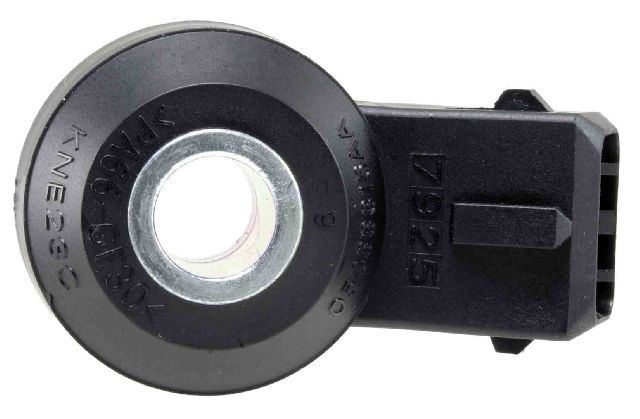
OEM Part Numbers: 5033316AB 5033316AA 56028563AA
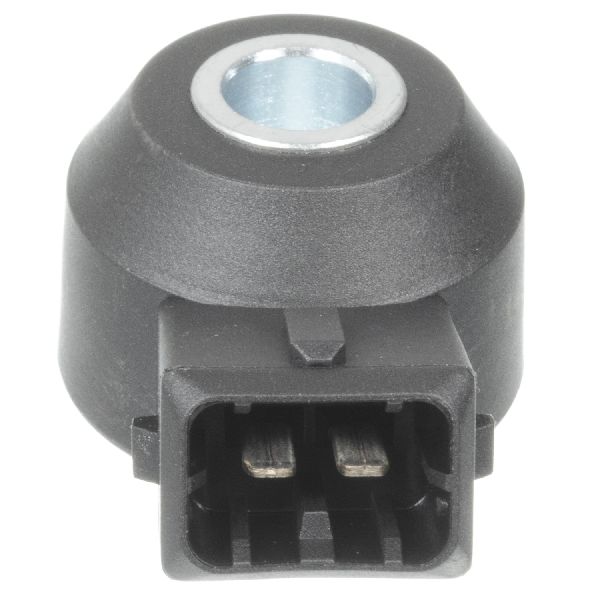
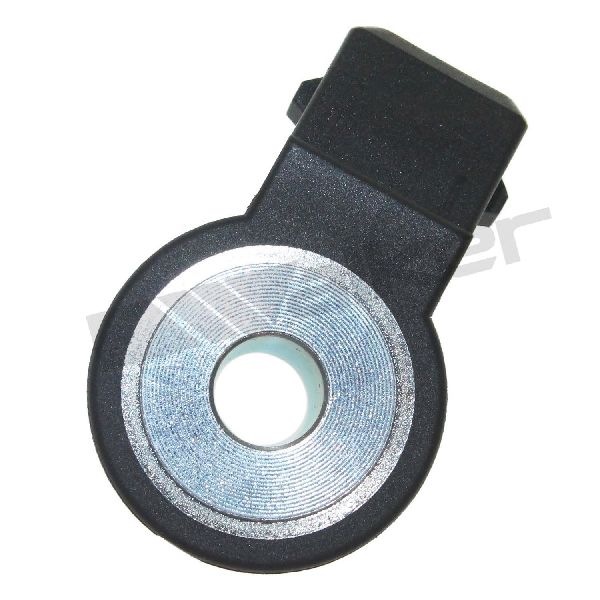
The Dodge Viper V10 engine uses two knock sensors, one for each cylinder bank. They are piezoelectric sensors that generate a voltage signal in response to engine block vibrations.
We Have This Part in Stock


The information in this article is provided for general reference and educational purposes only. Vehicle specifications, procedures, and part compatibility can vary by production date, trim level, and region. Always consult your vehicle's factory service manual and verify part numbers before purchasing or performing repairs. Safety-critical components such as airbags, seat belts, and braking systems should be installed by a qualified professional.
- Dodge Viper:
- 🛍️ Shop This Part
- Is Your Viper's Knock Sensor Failing?
- High-Labor Replacement Job
- Choosing the Right Aftermarket Knock Sensor
- Tier 1: OEM and OEM-Equivalent Brands
- Tier 2: Reputable Aftermarket Brands
- Tier 3: Budget Brands
- Cost to Replace a Dodge Viper Knock Sensor
- Frequently Asked Questions
- 🎟️ Get 5% Off