

Choosing the Right Alternator for Your 2006-2010 Dodge Durango
Keep your Durango's electrical system healthy by understanding how to pick the best new aftermarket alternator.
- A failing alternator will give warnings like dimming lights, a dashboard warning light, or whining noises.
- The 2006-2010 Durango uses a PCM-controlled charging system, making it crucial to use a quality replacement part from brands like Denso or Bosch to avoid further issues.
- Always confirm if your Durango requires a 136 amp or 160 amp alternator before purchasing.
- Do not continue driving with a failing alternator, as it can lead to the engine stalling and leave you stranded.
Is Your Durango's Alternator Failing?
An alternator rarely fails without warning. If you own a 2006-2010 Dodge Durango, paying attention to these signs can save you from being stranded. The electrical demands on these SUVs, from the powerful Hemi engine's needs to the full suite of power accessories, put a heavy load on the charging system.
Common Symptoms of a Bad Alternator:
- Battery Warning Light: The most obvious sign is a battery-shaped icon, or a "GEN" or "ALT" light, illuminated on your dashboard.
- Dimming or Flickering Lights: You may notice headlights, dash lights, and interior lights dim, flicker, or pulse, especially at idle. The lights might brighten as you rev the engine.
- Slow or Failing Accessories: Power windows that are slow to operate, a radio that cuts out, or heated seats that don't warm up are all signs of insufficient electrical power.
- Whining or Grinding Noises: A grinding or whining sound coming from the engine bay can indicate worn-out bearings inside the alternator.
- Frequent Dead Battery: If you need to jump-start your Durango often, the alternator is likely not recharging the battery properly.
- Engine Stalling: In severe cases, the alternator can't supply enough power to the fuel injection and ignition systems, causing the engine to stall while driving.
PCM-Controlled Charging System
The charging system in your 2006-2010 Durango is controlled by the Powertrain Control Module (PCM), the vehicle's main computer. The PCM regulates the voltage output. Using a low-quality or defective alternator can sometimes send improper voltage signals, potentially damaging the expensive PCM. This makes choosing a quality replacement part especially important.
Choosing the Right Aftermarket Alternator
When shopping for a new aftermarket alternator, you'll find a wide range of brands and prices. Not all are created equal. For a vehicle like the Durango, where electrical reliability is key, it's best to invest in a quality unit.
Brand Quality Tiers
Premium Brands (New or Premium Remanufactured):
- Denso: As the original equipment manufacturer (OEM) for many Dodge vehicles, Denso alternators offer a direct-fit, high-quality option. They are known for reliability and long service life, whether you choose a new or a professionally remanufactured unit.
- Bosch: A top-tier brand known for excellent engineering and durable components. Bosch remanufactured units are factory-tested to meet high performance standards and are a very reliable choice.
Quality Aftermarket Brands (Primarily New):
- WAI Global, Remy, ACDelco: These brands offer good quality, 100% new alternators that meet or exceed OEM specifications. They provide a dependable alternative to premium brands without the higher cost of an OEM part.
Check Your Amperage
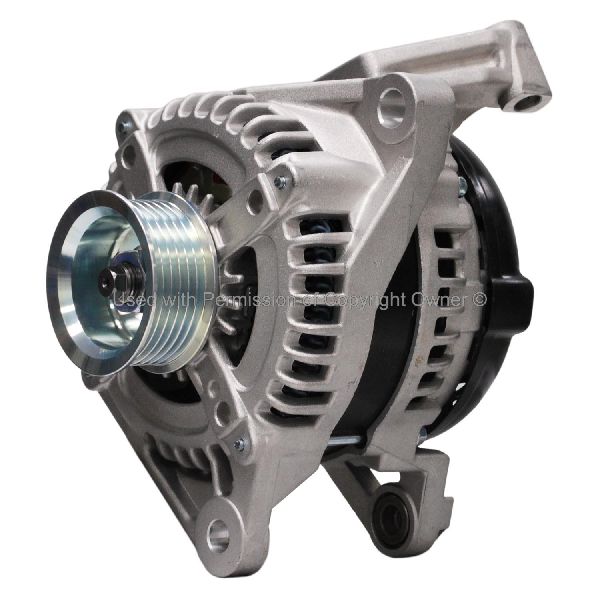
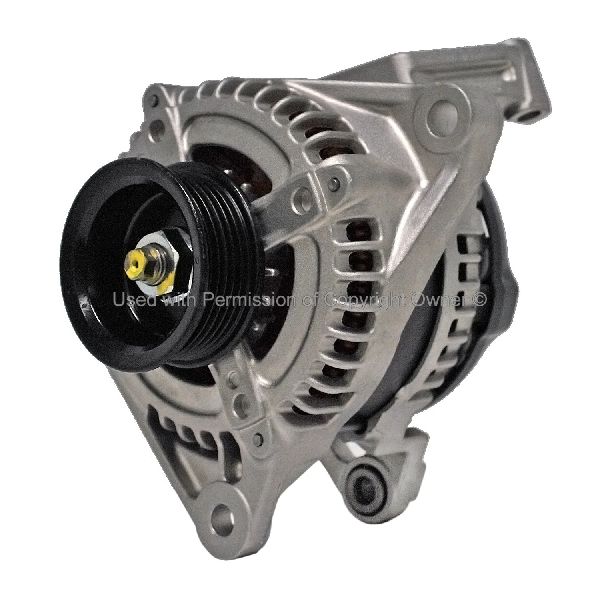
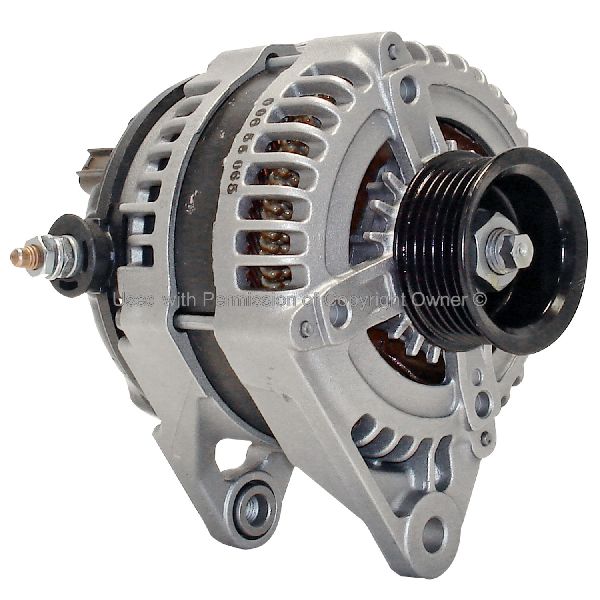
The 2006-2010 Durango came with different alternators depending on the engine (3.7L, 4.7L, or 5.7L) and options package. Common ratings are 136 amps and 160 amps. Always verify the required amperage for your specific vehicle before ordering to ensure proper performance.
Cost of a New Aftermarket Alternator
| Part Type | Estimated Cost |
|---|---|
| New Aftermarket Alternator | $67 - $446 |
| Remanufactured Alternator | $120 - $350 |
| New OEM (Mopar) Alternator | $300 - $550+ |
| Professional Installation (Labor) | $125 - $250 |
*Cost estimates are based on market data and are subject to change.
Frequently Asked Questions
Can I install a higher-amperage alternator?
Yes, you can upgrade to a higher-amperage alternator, which is a popular choice for owners who have added electrical accessories like high-power stereos, winches, or extra lighting. However, if you install a significantly higher output alternator, you must also upgrade the main power and ground wires (known as the "Big 3 Upgrade") to handle the increased current safely.
What is a "core charge"?
A core charge is a deposit you pay when buying a remanufactured part. You get this deposit back when you return your old, failed alternator to the seller. This process allows manufacturers to rebuild and recycle old parts, which is why remanufactured options are often less expensive.
Can I replace the Durango's alternator myself?
Yes, for someone with moderate mechanical skill, this is a manageable job. It typically involves disconnecting the battery, releasing the tension on the serpentine belt, removing the electrical connections, and unbolting the alternator. The alternator is usually located near the top of the engine and is accessible. Ensure the battery is fully charged before starting the engine with the new alternator to prevent damage.
Why did my battery light come on after replacing the alternator?
If the battery light is still on after installation, there could be several causes. First, you may have received a defective part, which can happen with any brand but is more common with budget options. Other possibilities include a poor connection at the alternator or battery, a failing battery that can no longer hold a charge, a damaged serpentine belt, or an issue with the PCM wiring that controls the alternator.
Technical Specifications
OEM Part Numbers: 56028697AA R6028697AA 56029700AD 56028699AA 4801251AD
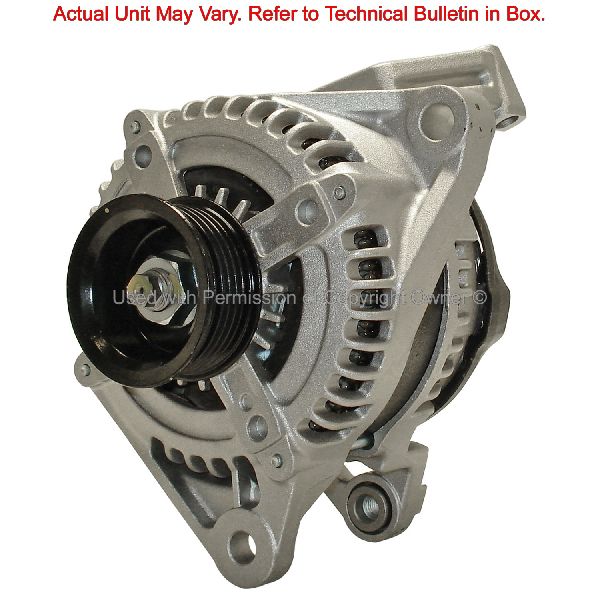
Voltage: 12V. Amperage: Varies by engine and package, typically 136A or 160A. The voltage regulator is external and controlled by the vehicle's Powertrain Control Module (PCM). The alternator uses a 6 or 7-groove serpentine pulley.
We Have This Part in Stock


The information in this article is provided for general reference and educational purposes only. Vehicle specifications, procedures, and part compatibility can vary by production date, trim level, and region. Always consult your vehicle's factory service manual and verify part numbers before purchasing or performing repairs. Safety-critical components such as airbags, seat belts, and braking systems should be installed by a qualified professional.
- Dodge Durango: