

A Ford Mustang Owner's Guide to the 2006-2010 Automatic Transmission Mount
If you're feeling vibrations or hearing clunks from your Mustang, it might be time to check your transmission mount.
- The most common signs of failure are clunking noises and new vibrations from the center of the car.
- For this Mustang, aftermarket brands like Anchor, DEA, and Pioneer are affordable options for daily driving, but OEM offers the best quality.
- There are no major recalls or TSBs for the transmission mount on this model, indicating the original part is reliable.
- When replacing, check that the height of the new mount matches the old one to avoid potential fitment issues.
Is Your Mustang's Transmission Mount Failing?
A bad transmission mount on the S197 Mustang can cause several noticeable problems. Because the part is made of rubber and metal, it wears out over time. When it fails, it can no longer support the transmission properly or absorb vibrations. You should inspect your engine and transmission mounts at the same time, as a failure in one can put extra stress on the others.
Key Symptoms of a Bad Mount:
🎬 See a breakdown of the 7 most common failure signs.- Clunking or Banging Noises: This is the most common symptom. You might hear a loud clunk or bang when you accelerate hard, brake suddenly, or shift from Park to Drive or Reverse. This is the sound of the transmission moving excessively and hitting other parts.
- Excessive Vibrations: If you feel a new vibration through the floor, seats, or steering wheel, it could be a sign of a bad mount. The rubber is supposed to dampen these vibrations, so when it fails, the shaking is transferred into the car's cabin.
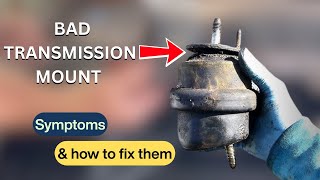
- Visible Movement: A mechanic can often see a failed mount. They may use a pry bar to check for too much play or have someone lightly rev the engine in gear (with brakes applied) to watch for excessive engine and transmission rocking. You might also see that the rubber part of the mount is cracked, collapsed, or soaked with fluid. 🎬 Watch: How to identify a bad mount and fix it.
Known Issues & Recalls for 2006-2010 Mustang
Searches for official recalls and Technical Service Bulletins (TSBs) from Ford and the NHTSA show no specific widespread issues, recalls, or TSBs for the automatic transmission mount on the 2006-2010 Ford Mustang. While other transmission-related recalls exist for different years or different problems, the mount itself has proven to be a reliable part from the factory.
Choosing the Right Aftermarket Mount
For a daily driven Mustang, a new aftermarket mount provides a good balance of cost and quality. The original factory (OEM) mount is an excellent part, but it costs more. Aftermarket brands offer a budget-friendly alternative that gets the job done.
The brands available for your Mustang—Anchor, DEA, and Pioneer—are all considered economy-tier options. They are designed to be functional replacements that meet original specifications. However, there are some trade-offs to be aware of compared to the OEM part.
- Good Tier (Budget): Brands like Anchor and DEA are widely available and very affordable. They are a functional choice if budget is the primary concern. However, some users in forums report that the rubber can be harder than OEM, potentially leading to slightly more vibration in the cabin.
- Better Tier (Standard Replacement): Pioneer is often seen as a slight step up. Some mechanics note that their parts can have a better finish and are harder to tell apart from the factory mounts. They are still a budget-friendly choice but may offer more consistent quality.
A Note on Aftermarket Fitment
Some Mustang owners have reported that certain aftermarket transmission mounts can be slightly taller than the original part. This can cause issues with exhaust hanger alignment or make it difficult to reinstall the center console. While not a common problem, it's a good idea to compare the height of your new mount to the old one before installation.
Cost of Replacing Your Transmission Mount
The total cost depends on whether you do the work yourself or take it to a shop. The part itself is affordable, and the labor is straightforward for a mechanic.
| Item | Estimated Cost |
|---|---|
| New Aftermarket Part | $58 - $91 |
| New OEM Part | $80 - $121 |
| Shop Labor | $97 - $143 |
| Total Professional Replacement | $155 - $234 |
Frequently Asked Questions
Can I replace the transmission mount myself?
Yes, this is a DIY-feasible job for someone with basic tools and jack stands. The process involves safely supporting the transmission with a jack, unbolting the transmission crossmember, and then swapping the mount. It typically takes 1-2 hours.
🎬 Watch: A step-by-step walkthrough of the replacement process.Should I use a high-performance polyurethane mount?
For a daily driven car, it's best to stick with a standard rubber mount. Performance mounts made of polyurethane are very stiff. While they reduce drivetrain movement for racing, they also transfer a significant amount of noise and vibration into the cabin, making the ride less comfortable.
Will a bad transmission mount cause transmission damage?
If left broken for a long time, a bad mount can cause problems. The excessive movement can put stress on transmission seals (leading to leaks), driveshaft components, and exhaust connections. It's best to replace it as soon as you notice symptoms.
Is the mount the same for V6 and GT models?
Yes, for the 2006-2010 model years, the automatic transmission mount is typically the same for both the 4.0L V6 and the 4.6L V8 (GT) models equipped with the 5R55S automatic transmission. However, always verify fitment for your specific vehicle before purchasing.
Helpful Videos

Technical Specifications
OEM Part Numbers: 8R3Z-7E373-A 8R3Z6068E
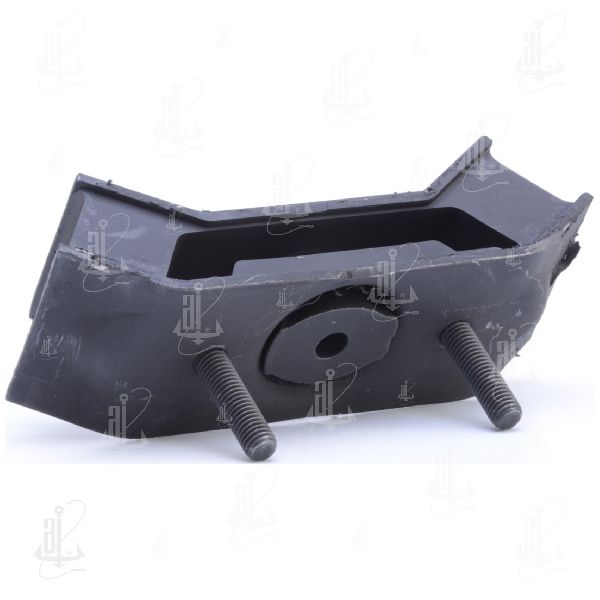
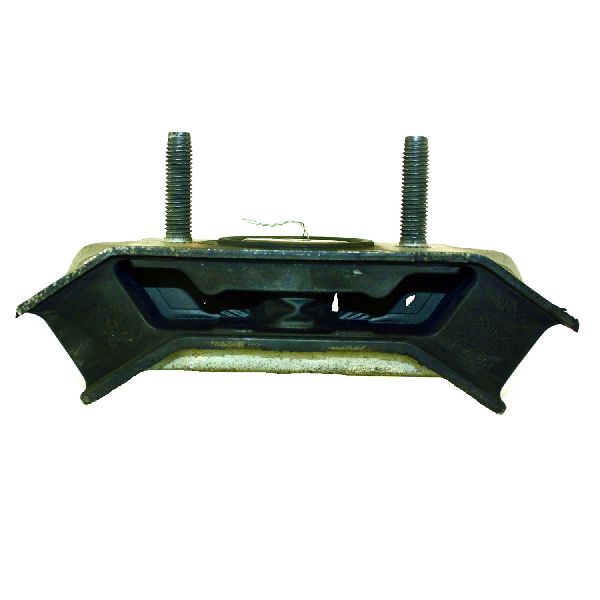
Fits 2006-2010 Ford Mustang models with the 5R55S 5-speed automatic transmission. The mount is a cross-shaped metal and rubber insulator that bolts to the transmission crossmember.
We Have This Part in Stock


The information in this article is provided for general reference and educational purposes only. Vehicle specifications, procedures, and part compatibility can vary by production date, trim level, and region. Always consult your vehicle's factory service manual and verify part numbers before purchasing or performing repairs. Safety-critical components such as airbags, seat belts, and braking systems should be installed by a qualified professional.
- Ford Mustang:
- 🎬 Helpful Videos
- 🛍️ Shop This Part
- Is Your Mustang's Transmission Mount Failing?
- Key Symptoms of a Bad Mount:
- Known Issues & Recalls for 2006-2010 Mustang
- Choosing the Right Aftermarket Mount
- A Note on Aftermarket Fitment
- Cost of Replacing Your Transmission Mount
- Frequently Asked Questions
- 🎟️ Get 5% Off