

Jeep Commander 2006-2010 Manifold Absolute Pressure (MAP) Sensor Guide
Experiencing rough idle, poor performance, or bad gas mileage in your Commander? A faulty MAP sensor might be the reason.
- A bad MAP sensor is a common cause of rough idle, poor fuel economy, and hesitation in a 2006-2010 Jeep Commander.
- Look for diagnostic trouble codes like P0106, P0107, or P0108 to confirm a potential MAP sensor issue.
- Replacement is very easy and can be done in minutes with basic tools, making it a great DIY repair.
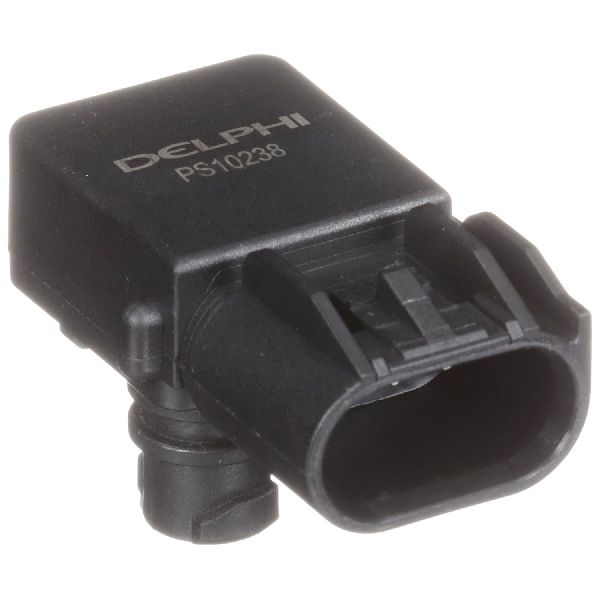
- For best results, choose a Mopar OEM part or a high-quality aftermarket brand like Delphi, NGK, or Standard Ignition.
Is a Bad MAP Sensor Causing Your Jeep Commander Problems?
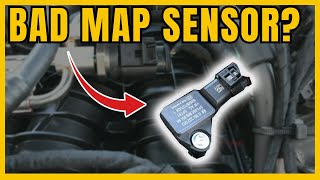
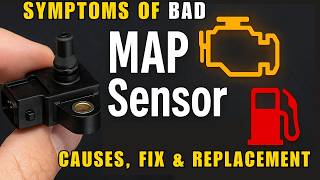
A failing Manifold Absolute Pressure (MAP) sensor can cause a range of noticeable engine problems. Because this sensor provides critical data for fuel and timing calculations, a bad signal 🎬 Watch this clear explanation of how MAP sensors fail. can make your Commander run poorly. Ignoring the symptoms can lead to reduced fuel economy, failed emissions tests, and potentially damage other engine components like spark plugs or the catalytic converter over time.
Symptoms of a Failing MAP Sensor
If your Commander's MAP sensor is going bad, you'll likely experience one or more of the following issues:
🎬 See a detailed breakdown of common MAP sensor symptoms.- Check Engine Light: This is often the first sign. The ECU will store trouble codes related to the MAP sensor, such as P0106, P0107, or P0108.
- Rough or Erratic Idle: The engine may shake, sputter, or struggle to maintain a steady RPM when you're stopped.
- Poor Acceleration and Power Loss: Your Jeep might feel sluggish, hesitate when you press the gas, or struggle to get up to speed.
- Decreased Fuel Economy: A bad sensor can cause the engine to run too rich (too much fuel) or too lean (not enough), wasting gas.
- Engine Stalling or Hesitation: The engine may stall when coming to a stop or hesitate during acceleration.
- Black Smoke from Exhaust: This indicates an overly rich fuel mixture, which can be caused by a faulty MAP sensor telling the ECU the engine is under more load than it is.
Recalls and Technical Service Bulletins (TSBs)
As of early 2026, there are no specific recalls or widespread TSBs from Jeep or the NHTSA directly concerning the MAP sensor for the 2006-2010 Jeep Commander. Always check for the latest information using your vehicle's VIN on the NHTSA website.
Choosing a New Aftermarket MAP Sensor
When replacing the MAP sensor, you have a choice between OEM Mopar parts and various aftermarket brands. For a critical sensor like this, quality matters.
| Brand Tier | Brands | General Assessment |
|---|---|---|
| OEM / Premium Aftermarket | Mopar, Delphi, NGK (NTK), Standard Ignition | These brands are known for meeting or exceeding original equipment specifications. Mopar is the original part. Delphi, NGK, and Standard Ignition are trusted names that often supply original parts to manufacturers and are generally considered reliable, direct-fit replacements. |
| Mid-Tier / Jeep Specialist | Crown Automotive, Omix-Ada, Walker Products | These brands specialize in Jeep parts. While many owners have success with them, quality can sometimes be inconsistent compared to premium brands. They offer a good balance of price and performance for many owners. |
| Economy / Store Brands | Global Parts, Holstein, various store brands (e.g., Duralast, Carquest) | These are the most budget-friendly options. While they can work, they may have a shorter lifespan or less precise calibration. They are often a viable option for a quick fix, but long-term reliability might be a concern for some owners. |
A Note on OEM vs. Aftermarket
While Mopar is the guaranteed fit and quality standard, high-quality aftermarket sensors from brands like Delphi or NGK can offer comparable performance for less money. For many Jeep owners, the debate comes down to peace of mind versus cost. Cheaper, lesser-known brands are more of a gamble on electronic components.
Frequently Asked Questions
Where is the MAP sensor located on the 2006-2010 Jeep Commander?
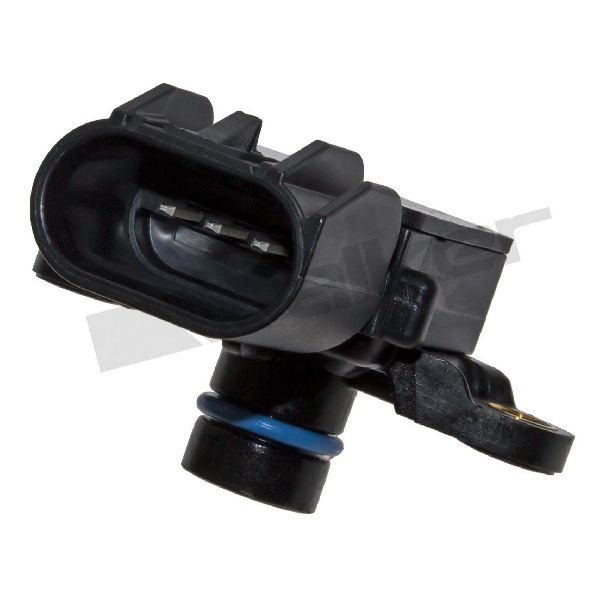
The MAP sensor is typically mounted directly on the intake manifold. For V8 engines (4.7L and 5.7L), it's often found on the front or top of the manifold, secured by a single bolt. For the 3.7L V6, its location is similar. It's a small black plastic sensor with an electrical connector and is usually easy to access.
Can I just clean my MAP sensor?
Sometimes, cleaning the sensor's port can resolve issues if it's clogged with carbon or oil residue. You can use a dedicated electronic parts cleaner or mass air flow sensor cleaner. However, if the sensor's internal electronics have failed, cleaning will not fix it and replacement is necessary.
Is this a difficult part to replace myself?
No, this is a very DIY-friendly job. 🎬 Follow this step-by-step guide to replacing your Jeep's sensor. Replacement typically involves disconnecting the electrical connector, removing a single bolt (often a 10mm or a Torx screw), and swapping the old sensor for the new one. The entire process usually takes less than 15 minutes.
Do I need to reset the computer after replacing the MAP sensor?
It is a good practice to clear the trouble codes with an OBD-II scanner after installation. Alternatively, you can disconnect the negative battery terminal for about 15-30 minutes to reset the ECU. This allows the computer to relearn its fuel and timing strategies with the new, accurate sensor data.
Helpful Videos
Technical Specifications
OEM Part Numbers: 56041018AD 05033310AB 56041018AC 5033310AC 56028562AB
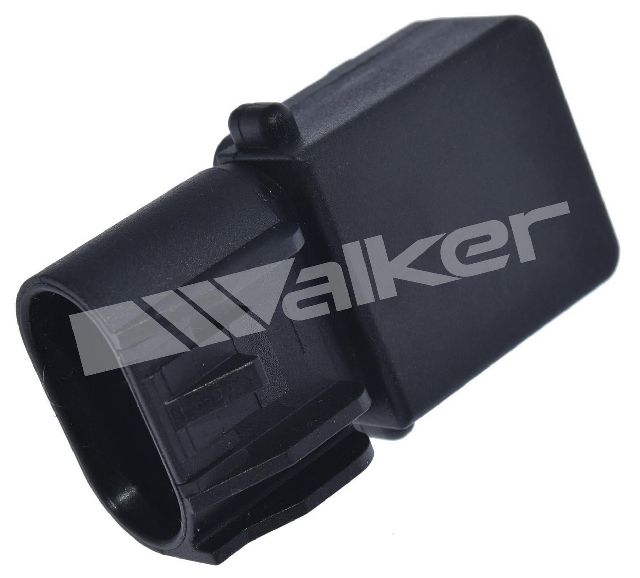
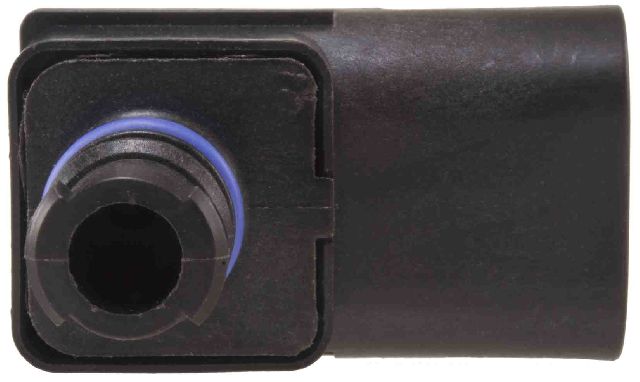
3-pin connector, bolt-on mount. Different part numbers may apply to different engine sizes (3.7L, 4.7L, 5.7L), so always verify fitment.
We Have This Part in Stock


The information in this article is provided for general reference and educational purposes only. Vehicle specifications, procedures, and part compatibility can vary by production date, trim level, and region. Always consult your vehicle's factory service manual and verify part numbers before purchasing or performing repairs. Safety-critical components such as airbags, seat belts, and braking systems should be installed by a qualified professional.
- Jeep Commander: