

A Guide to the Engine Camshaft Position Sensor for the 2006-2010 Jeep Grand Cherokee
Fix your WK Grand Cherokee's stalling, rough idle, or no-start issues by understanding the camshaft position sensor.
- A failing camshaft position sensor commonly causes stalling, no-start conditions, and rough idling in the 2006-2010 Grand Cherokee.
- For Chrysler vehicles, using an OEM Mopar sensor is strongly recommended for reliability; cheap aftermarket sensors are known to fail.
- Diagnostic codes P0340 and P0344 are strong indicators that the camshaft position sensor or its circuit is the problem.
- Replacement is a simple, DIY-friendly job for most owners, especially on the 5.7L HEMI engine, requiring only basic tools.
Is Your Grand Cherokee Stalling or Hard to Start?
A common headache for owners of the 2006-2010 (WK) Jeep Grand Cherokee is sudden engine stalling, difficulty starting, or a rough idle. These problems often point to a failing engine camshaft position sensor. This sensor provides vital information for engine timing, and when it malfunctions, it can make your vehicle unreliable. The check engine light will almost certainly come on, with codes like P0340 or P0344 stored in the computer.
Common Symptoms of Failure
- Engine Stalling: The engine may shut off unexpectedly while driving or when idling at a stoplight. This is the most serious safety concern.
- Hard Starting or No Start: The engine may crank for a long time before starting, or it may not start at all.
- Rough Idle: You may feel vibrations or shaking when the vehicle is stopped and in gear.
- Loss of Power: The vehicle may feel sluggish and have poor acceleration because the engine timing is off.
- Check Engine Light: The malfunction indicator lamp (MIL) will illuminate, storing diagnostic trouble codes (DTCs) such as P0340 (circuit malfunction) or P0344 (intermittent signal).
OEM vs. Aftermarket: A Word of Caution
When it comes to critical engine sensors on a Jeep, the general consensus among mechanics and owners is to use high-quality parts. While budget-friendly aftermarket sensors are available, they have a reputation for failing quickly or not working correctly out of the box. This can lead to wasted time and money, and the same drivability problems returning. For a critical component like this, investing in a proven, reliable part is often the smarter choice. Mopar (the OEM brand) is the safest bet, but some premium aftermarket brands are also considered reliable.
Choosing the Right Aftermarket Sensor
If you decide to go with an aftermarket part, it's best to stick with reputable brands known for quality electronics.
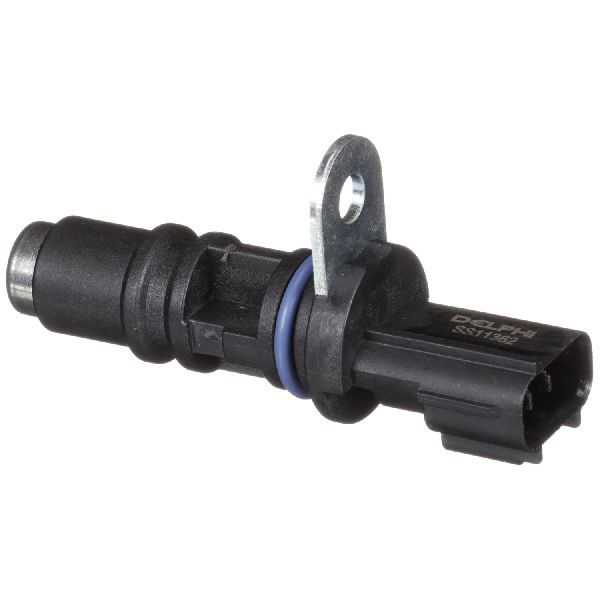
- Premium Brands (Recommended): Mopar (OEM), NGK/NTK, and Delphi are frequently recommended by professionals and experienced DIYers. These brands have a strong reputation for producing sensors that meet or exceed original specifications.
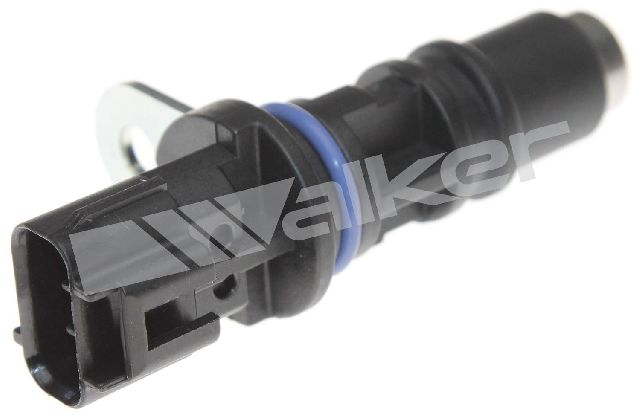
- Mid-Grade Brands: Brands like Standard Ignition (SMP), Beck Arnley, Hitachi, and Walker Products are established names in the aftermarket and can offer a good balance of price and quality.
- Economy Brands: While the low price is tempting, be cautious with lesser-known or store-brand sensors. The risk of premature failure is higher, and you may find yourself doing the job again sooner than you'd like.
How Much Does It Cost to Replace?
The cost depends on whether you do the work yourself or take it to a shop. This is a very DIY-friendly repair for most owners.
| Part/Service | Estimated Cost |
|---|---|
| New OEM (Mopar) Part | $95 - $110 |
| New Aftermarket Part | $20 - $177 |
| Shop Labor | $135 - $200 |
| Total (Shop Repair) | $230 - $310+ |
Pro Tip: Location and Installation
On the popular 5.7L HEMI V8 engine, the camshaft position sensor is very easy to access. It is located on the front of the engine, just below the thermostat housing. It is held in by a single 10mm bolt. The replacement involves disconnecting the electrical connector, removing the bolt, pulling the old sensor out, and installing the new one. The process is similar for the 3.7L V6 and 4.7L V8 engines, though access may vary slightly. Because of its simplicity, most owners with basic hand tools can complete this job in under an hour.
Frequently Asked Questions
Where is the camshaft position sensor on my 2006-2010 Grand Cherokee?
For the 5.7L HEMI V8, it is located on the front of the engine block, near the top, just below the thermostat housing. For the 3.7L V6 and 4.7L V8, the location is typically on one of the cylinder heads, accessible from the top of the engine.
Can I replace the camshaft position sensor myself?
Yes, this is a very common and simple DIY repair. It typically requires only basic tools like a ratchet and a 10mm socket. The sensor is held in by one bolt, making it easy to remove and replace, often in less than 30 minutes.
What's the difference between a camshaft and a crankshaft sensor?
They perform similar functions but monitor different rotating parts. The camshaft sensor tracks the camshaft (which controls the valves), while the crankshaft sensor tracks the crankshaft (which is connected to the pistons). The computer uses both signals to get a complete picture of the engine's cycle. A failure in either sensor can cause similar symptoms, but they are distinct parts.
Should I replace the crankshaft position sensor at the same time?
It is not required. While some people do it as preventative maintenance, it's best to diagnose the problem correctly. The diagnostic trouble code (e.g., P0340 for cam, P0335 for crank) will usually point to the specific sensor circuit that has a fault. Replace the part that has failed.
Technical Specifications
OEM Part Numbers: 5149054AC 56044144AB 56028133AD
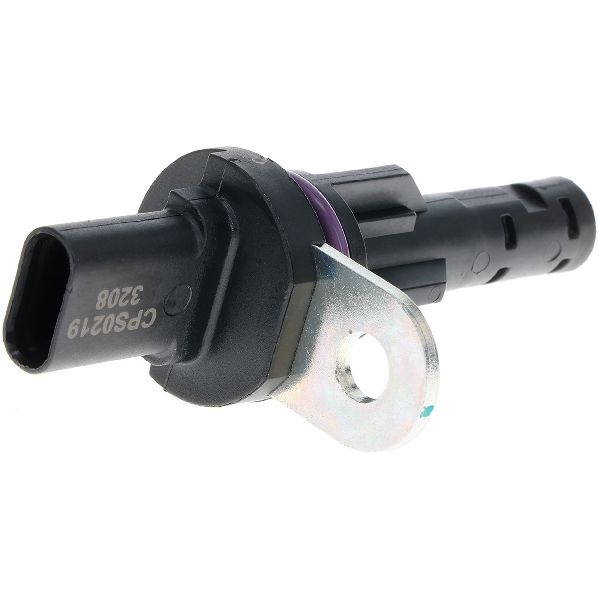
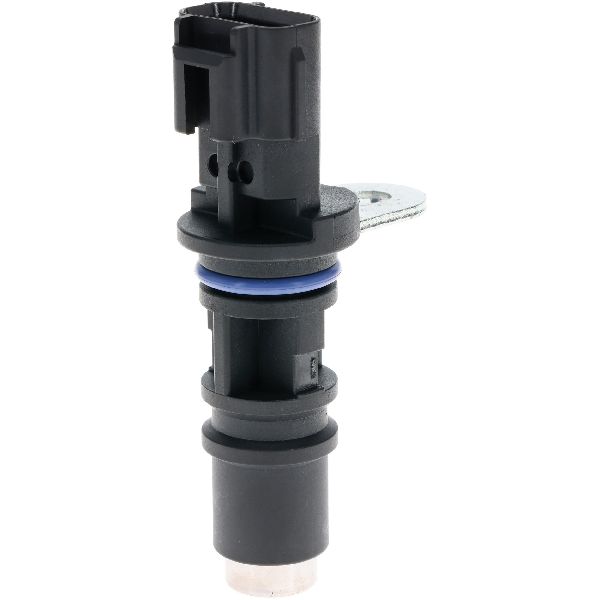
This is a 3-pin magnetic hall-effect sensor that reads the camshaft's rotational position. It is typically held in place by a single bolt and sealed with an O-ring.
We Have This Part in Stock


The information in this article is provided for general reference and educational purposes only. Vehicle specifications, procedures, and part compatibility can vary by production date, trim level, and region. Always consult your vehicle's factory service manual and verify part numbers before purchasing or performing repairs. Safety-critical components such as airbags, seat belts, and braking systems should be installed by a qualified professional.
- Jeep Grand Cherokee: