

Accessory Drive Belt Guide for the 2006-2010 Kia Optima
Learn how to spot a failing accessory belt on your Optima and choose the right aftermarket replacement.
- You must confirm your engine size (2.4L I4 or 2.7L V6) before ordering, as the belts are different.
- Squealing is the most common symptom of a worn belt, but rattling often points to a failing tensioner.
- For vehicles over 60,000 miles, it is highly recommended to replace the belt, tensioner, and idler pulleys together.
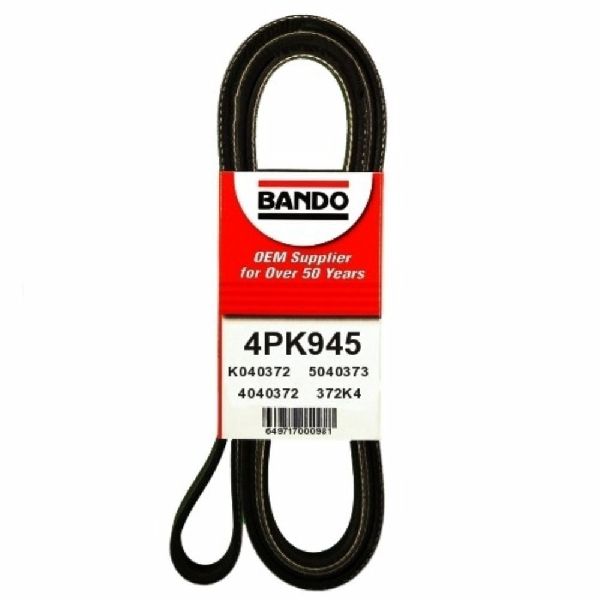
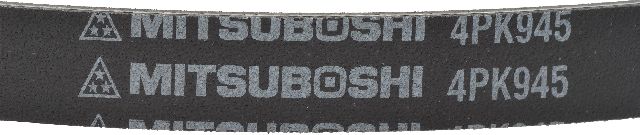
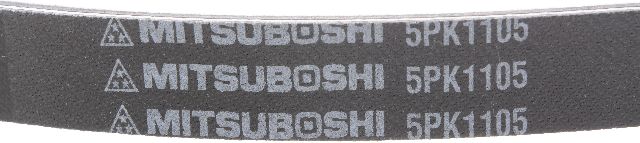
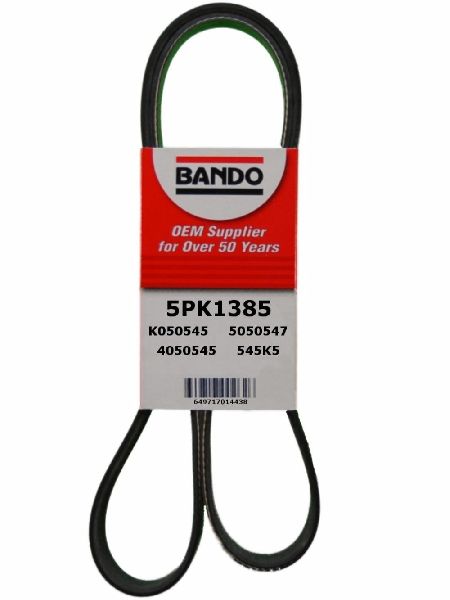
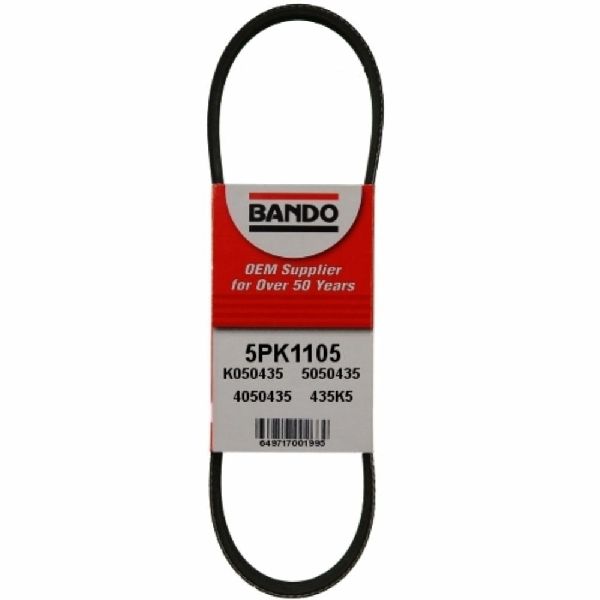
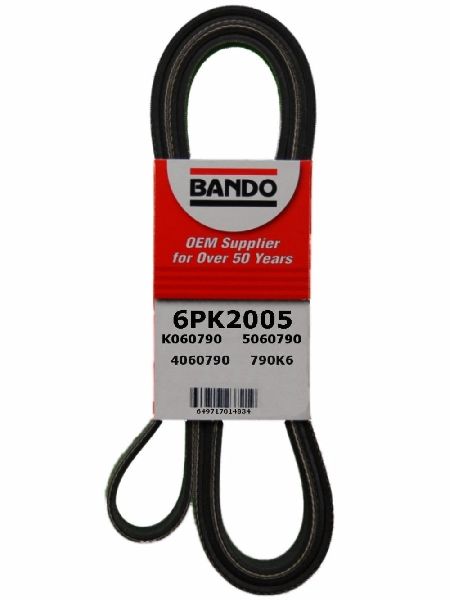
- Aftermarket brands like Bando and Mitsuboshi are often OEM suppliers and offer excellent quality for this vehicle.
Is Your Optima's Accessory Belt Failing?
The accessory drive belt operates under constant heat and tension, and it will eventually wear out. Ignoring the warning signs can lead to a sudden breakdown and leave you stranded. Watch for these common symptoms of a bad belt.
Key Symptoms of a Bad Accessory Drive Belt
- Squealing or Chirping Noises: This is the most common sign. A high-pitched squeal, especially when you start the car, accelerate, or turn on the A/C, usually means the belt is slipping because it's worn or has improper tension.
- Visible Wear and Tear: Pop the hood and look at the belt. If you see cracks, frayed edges, missing chunks, or a smooth, glazed surface on the ribbed side, it needs to be replaced immediately. Modern EPDM belts may not show cracks but wear down in the grooves, which is harder to see.
- Accessory Problems: If your headlights are dim, the battery warning light is on, the A/C blows warm air, or steering feels heavy, the belt may not be powering those components correctly.
- Rattling or Grinding Noises: While squealing often points to the belt, a rattling or grinding sound usually indicates a problem with the belt tensioner or an idler pulley. It's common for the tensioner to fail, causing the belt to lose tension or fall off completely.
Engine Differences Are Critical for Ordering
The 2006-2010 Kia Optima was offered with two different engines: a 2.4L inline 4-cylinder (I4) and a 2.7L V6. These engines use different accessory drive belts. You must verify your specific engine before ordering to ensure you get the correct part. You can find your engine size on the information sticker under the hood or in the driver's side door jamb.
Choosing the Right Aftermarket Belt
For the Kia Optima, aftermarket belts from reputable brands offer quality that is often equivalent to the original OEM part, but at a better price. Since the original belts on these cars are not known for widespread premature failures, a quality aftermarket part is a reliable and cost-effective choice. Bando and Mitsuboshi are known to be Original Equipment Manufacturers (OEM) for many Asian vehicles, making them an excellent choice. ACDelco is another strong, reputable aftermarket brand.
| Tier | Brands | Notes |
|---|---|---|
| Best (OEM Supplier) | Bando, Mitsuboshi | These brands often supply the original belts for Kia and other Asian manufacturers. Choosing them is the closest you can get to OEM quality. |
| Good (Premium Aftermarket) | ACDelco | A well-regarded brand known for producing durable EPDM rubber belts that resist cracking and high temperatures. |
Pro Tip: Replace the Tensioner and Pulleys
If your Optima has over 60,000 miles or the belt is failing due to noise or slipping, it is highly recommended to replace the belt tensioner and any idler pulleys at the same time. A worn tensioner is a common cause of belt failure and can ruin a new belt quickly. Buying a kit that includes the belt, tensioner, and pulleys can save you time and money in the long run.
Frequently Asked Questions (FAQ)
When should I replace my Optima's accessory belt?
There is no single official replacement interval from Kia. A good practice is to inspect the belt at every oil change, especially after 40,000 miles. Most modern belts last between 60,000 and 100,000 miles, but you should replace it immediately if it shows signs of cracking, fraying, or is making noise.
Is replacing the accessory belt a DIY job?
Yes, for someone with basic mechanical skills and the right tools, this is a manageable DIY task. It typically takes about 1-2 hours. You will need a wrench or socket set to release the tension from the automatic belt tensioner. Ensure you have the correct belt routing diagram for your engine (2.4L or 2.7L) before you begin.
Are there any recalls for the accessory belt on my 2006-2010 Optima?
No, there are no specific recalls from Kia or the NHTSA for the accessory drive belt, tensioner, or pulleys on the 2006-2010 Kia Optima. There are other unrelated recalls for this vehicle, such as for the ABS module, which you can check at NHTSA.gov.
What happens if the belt snaps while driving?
If the belt snaps, you will immediately lose power steering, making the wheel very hard to turn. The alternator will stop charging the battery, and a battery warning light will appear on your dash. Most importantly, the water pump will stop working, causing the engine to overheat very quickly, which can lead to severe engine damage. If your belt breaks, pull over safely as soon as possible and turn off the engine.
Technical Specifications
OEM Part Numbers: 2521225000 252123E000 252123E001
The 2006-2010 Optima uses a single multi-rib (serpentine) belt made of EPDM rubber. The 2.4L engine uses a 6-rib belt approximately 101.6 inches long (e.g., 6PK2590). The 2.7L V6 uses a different 6-rib belt. Both systems use an automatic spring-loaded tensioner.
We Have This Part in Stock

The information in this article is provided for general reference and educational purposes only. Vehicle specifications, procedures, and part compatibility can vary by production date, trim level, and region. Always consult your vehicle's factory service manual and verify part numbers before purchasing or performing repairs. Safety-critical components such as airbags, seat belts, and braking systems should be installed by a qualified professional.
- Kia Optima: