

A Mechanic's Guide to the 2006-2010 Kia Optima CV Axle Shaft
Hearing clicking when you turn? Here’s what you need to know before replacing your Optima's front axle.
- The most common failure symptom is a 'click-click-click' noise when turning.
- A new aftermarket axle with a lifetime warranty is the most cost-effective solution for this vehicle.
- Before installation, verify the spline count on the new axle matches your original part to avoid fitment issues.
- Driving with a bad CV axle is risky; complete failure will leave you stranded.
Is Your Kia Optima's CV Axle Failing?
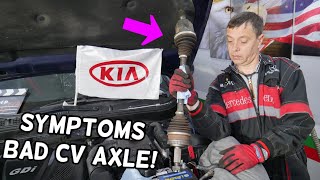
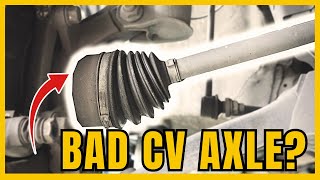
CV axles are wear-and-tear parts. The most common reason they fail is because the protective rubber boot cracks or tears. This boot holds special grease inside the CV joint. When the boot breaks, the grease is thrown out, and dirt and water get in, quickly destroying the joint. Here are the main signs that you have a bad axle:
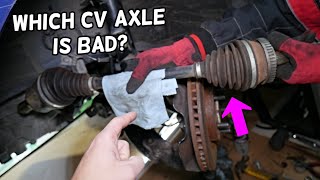
- Clicking or Popping Noise When Turning: This is the classic symptom of a bad outer CV joint. You'll hear a rhythmic 'click-click-click' sound when making a sharp turn, like in a parking lot. A clicking noise when turning left usually points to a bad driver's side axle, while a click when turning right means the passenger side axle is likely the problem. 🎬 Watch: How to tell if your left or right axle is bad
- Vibration While Driving: A vibration or shudder that gets worse as you accelerate can be caused by a worn-out inner CV joint. This might feel like a tire imbalance, but it's often most noticeable when you're on the gas.
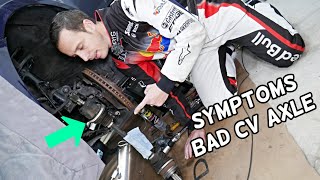
- Grease on the Inside of Your Wheel: If you see thick, dark grease splattered on the inside of your wheel, on your suspension parts, or along the underbody, it's a sure sign of a torn CV boot. 🎬 See a visual guide to the 5 most common axle symptoms
- Clunking Sound: A loud clunk when you shift from Park to Drive or when you accelerate or decelerate suddenly can mean there is too much play in a worn joint.
OEM vs. Aftermarket Axles for Your Optima
When replacing a CV axle, you have a choice between original equipment manufacturer (OEM) and aftermarket parts. For the 2006-2010 Optima, there are important differences. OEM axles are generally considered higher quality and are designed specifically for your car, often featuring a hollow shaft with rubber balancers to reduce vibration. However, they are also significantly more expensive.
New aftermarket axles from brands like Surtrak, GSP, or others offer a major cost saving. The quality of aftermarket parts can vary, but many are reliable for daily driving and come with a lifetime warranty. For a vehicle of this age, a new aftermarket axle is often the most practical and cost-effective choice, as long as you choose a part with a good warranty.
Important: Check Your Spline Count!
Some Kia Optima owners have reported issues with aftermarket axles having the wrong number of splines on the end that goes into the transmission. Before installing, it is a very good idea to count the splines on your original axle and compare it to the new aftermarket part to ensure a perfect fit and avoid installation problems.
Choosing the Right Aftermarket Axle
When shopping for a new aftermarket axle, you don't need to buy the most expensive option to get a reliable part. Brands like Surtrak are standard-tier replacements that provide a balance of affordability and function for daily driving. The most important factors to consider are:
- Warranty: Look for a brand that offers a limited lifetime warranty. This protects you if the part fails prematurely.
- New vs. Remanufactured: This guide focuses on NEW aftermarket parts. New parts use all-new components and are generally preferred over remanufactured axles, which reuse some original components.
- Boot Quality: The axle boots are made of neoprene or a similar flexible material. A quality boot is crucial for a long service life, as it protects the joint.
| Part Type | Estimated Part Cost (Single Axle) |
|---|---|
| New Aftermarket | $94.20 - $170.49 |
| New OEM | $350 - $550+ |
| Shop Labor | $120 - $250 |
Frequently Asked Questions
Do I need to replace both axles at the same time?
No, you only need to replace the axle that has failed. However, since both axles have the same amount of wear, it's not uncommon for the other side to fail soon after. Some mechanics recommend replacing them in pairs if your budget allows.
Are there any recalls on the 2006-2010 Optima CV axle?
No. As of early 2026, there are no specific safety recalls or widespread Technical Service Bulletins (TSBs) for the CV axle shafts on the 2006-2010 Kia Optima. Recalls for axle shafts have been issued for other Kia models from different years, but they do not apply to this generation.
Is replacing a CV axle a DIY job?
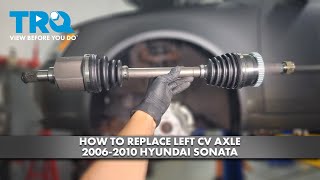
For an experienced home mechanic, yes. The job requires safely lifting the vehicle, removing the wheel, and using large sockets and a breaker bar to remove the main axle nut. You will also need to separate the ball joint from the steering knuckle. If you are not comfortable with these steps, it's best to leave it to a professional. 🎬 Watch: Step-by-step CV axle replacement walkthrough for this generation A wheel alignment is recommended after the replacement.
What happens if a CV axle breaks completely?
If an axle breaks while driving, you will lose all power to that wheel. The engine will rev, but the car won't move. The vehicle will be stranded and will need to be towed. It is dangerous for an axle to fail completely, which is why it's important to replace it when you first notice symptoms.
Helpful Videos
Technical Specifications
OEM Part Numbers: 495012G001 495012G010 495012G011 495012G301 495012G501 495012G511 495002G300
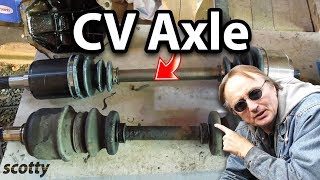
The CV axle assembly consists of an inner joint (connecting to the transmission), an outer joint (connecting to the wheel hub), and a connecting shaft. The joints are protected by flexible neoprene boots. Fitment can vary based on engine (2.4L I4 or 2.7L V6) and transmission type.
We Have This Part in Stock


The information in this article is provided for general reference and educational purposes only. Vehicle specifications, procedures, and part compatibility can vary by production date, trim level, and region. Always consult your vehicle's factory service manual and verify part numbers before purchasing or performing repairs. Safety-critical components such as airbags, seat belts, and braking systems should be installed by a qualified professional.
- Kia Optima: