

Guide to Replacing the Rear Suspension Trailing Arm on a 2006-2010 Kia Optima
Restore your Optima's ride quality and stability by understanding when and how to replace a failing rear trailing arm.
- Failure is almost always due to worn bushings, not the metal arm itself.
- Symptoms include rear-end clunking noises, a feeling of instability, and uneven tire wear.
- Always replace trailing arms in pairs (left and right) to ensure balanced suspension performance.
- A four-wheel alignment is mandatory after replacement to prevent tire damage and handling issues.
Signs of a Failing Trailing Arm
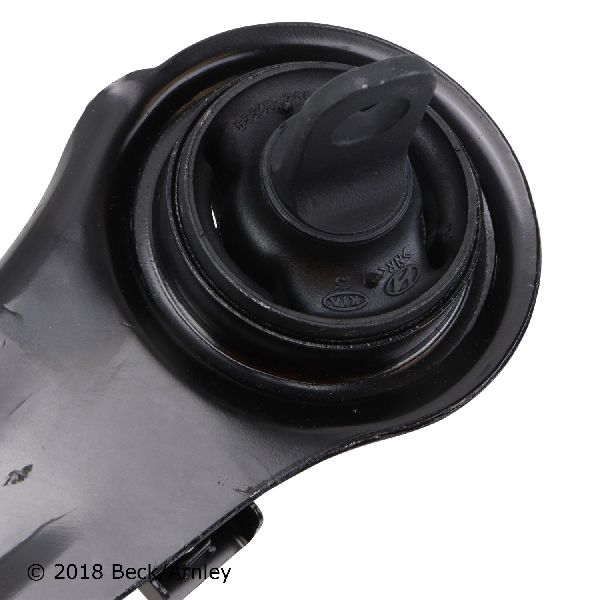
A failing trailing arm on your Kia Optima can make the car feel unstable or produce noticeable sounds from the rear. The most common cause of failure isn't the arm itself breaking, but the rubber bushings at the connection points wearing out. These worn bushings can cause excessive movement in the suspension.
Key Symptoms to Watch For:
- Clunking or Squeaking Noises: You may hear clunking, rattling, or squeaking sounds from the rear of the car, especially when going over bumps. This is often the first sign of worn bushings.
- Unstable Handling: The car might feel loose or wander in the lane, particularly at higher speeds. In some cases, the rear of the vehicle may seem to shift to one side during acceleration or braking.
- Uneven Tire Wear: A bad trailing arm can throw off the rear wheel alignment, leading to accelerated or unusual wear patterns on your rear tires.
Choosing the Right Aftermarket Part
When replacing the trailing arm, you don't have to buy an expensive OEM (Original Equipment Manufacturer) part from Kia. Aftermarket parts offer a range of options that can save you money. They are generally categorized by a balance of quality, durability, and price.
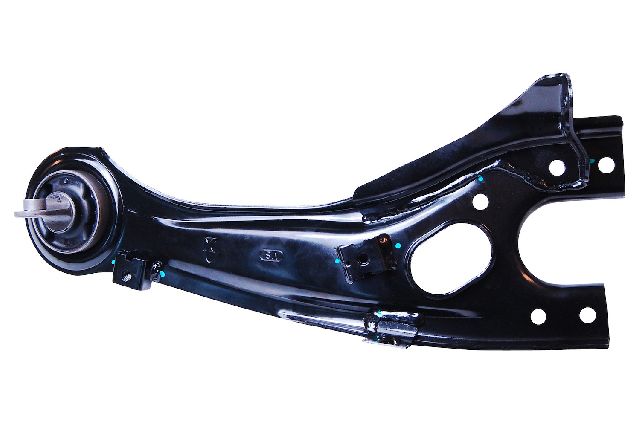
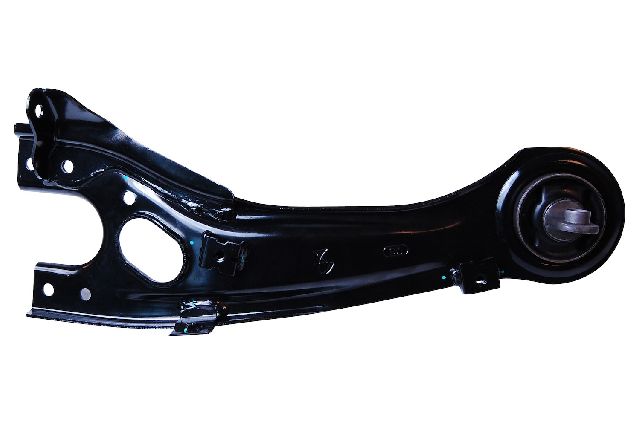
Pro Tip: Trailing arms are specific to the driver (left) and passenger (right) side. Always double-check that you are ordering the correct side for your repair.
Brand Quality Tiers
For your 2006-2010 Kia Optima, several reputable aftermarket brands are available. Here’s a general breakdown of what to expect:
- Premium Brands (e.g., Moog, Delphi): These brands are often considered top-tier in the aftermarket world. Moog is known for engineering parts that meet or exceed original specifications, often with features designed for durability and easy installation. Delphi is another trusted OEM supplier that brings its quality standards to the aftermarket. You can expect to pay more, but these parts are built for longevity.
- Mid-Range/Value Brands (e.g., Beck Arnley, Mevotech): These brands provide a good balance of quality and cost. Mevotech is known for innovative designs and can be a strong value proposition. Beck Arnley focuses on providing parts that match the original form, fit, and function for specific vehicle applications.
- Economy Brands (e.g., Dorman): Dorman offers a vast catalog of replacement parts and is often the most budget-friendly option. While they are a direct replacement, some users report their longevity may not match that of premium brands. However, for many drivers, they provide a perfectly acceptable and cost-effective repair.
| Part Type | Estimated Price Range (Single Arm) |
|---|---|
| New Aftermarket | $64.38 - $79.75 |
| New OEM (Kia) | $98.00 - $165.00 |
| Shop Labor | $109.00 - $160.00 |
Known Issues, Recalls, or TSBs
Searches for the 2006-2010 Kia Optima did not reveal any specific recalls or Technical Service Bulletins (TSBs) directly related to the rear suspension trailing arms. While there have been recalls for this generation of Optima, they pertain to other issues like airbag clock springs and shift cables. Failure of the trailing arm is typically due to normal wear and tear on the bushings over time.
Frequently Asked Questions (FAQ)
Do I need to replace both trailing arms at the same time?
It is highly recommended. Bushings on both sides of the vehicle have experienced the same amount of wear. If one has failed, the other is likely not far behind. Replacing them in pairs ensures balanced handling and saves you from doing the same job twice in the near future.
Is a wheel alignment necessary after replacing a trailing arm?
Yes. The trailing arm is a key part of the rear suspension geometry. Replacing it will almost certainly affect your wheel alignment. A four-wheel alignment is required after the job is done to prevent premature tire wear and ensure the vehicle drives straight.
Can I just replace the bushings instead of the whole arm?
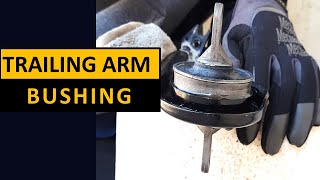
While the bushings are available separately, replacing them requires a hydraulic press to remove 🎬 Watch how to replace a trailing arm bushing using a press. the old ones and install the new ones. For most DIY mechanics and many shops, it is faster, easier, and more cost-effective to replace the entire trailing arm assembly, which comes with new bushings pre-installed.
How difficult is this replacement for a DIY mechanic?
This job is moderately difficult. It requires safely lifting and supporting the rear of the vehicle on jack stands. The main challenge is often dealing with rusted bolts. Accessing all the bolts and disconnecting the parking brake cable can also be tricky. If you have experience with suspension work and the right tools, it is a feasible DIY project.
Helpful Videos
Technical Specifications
OEM Part Numbers: 552702G000 552802G000
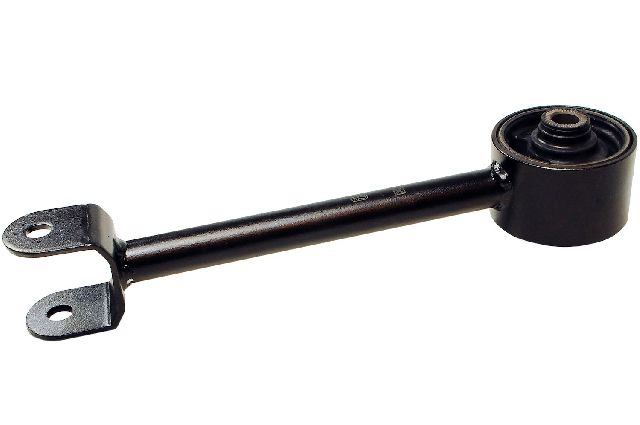
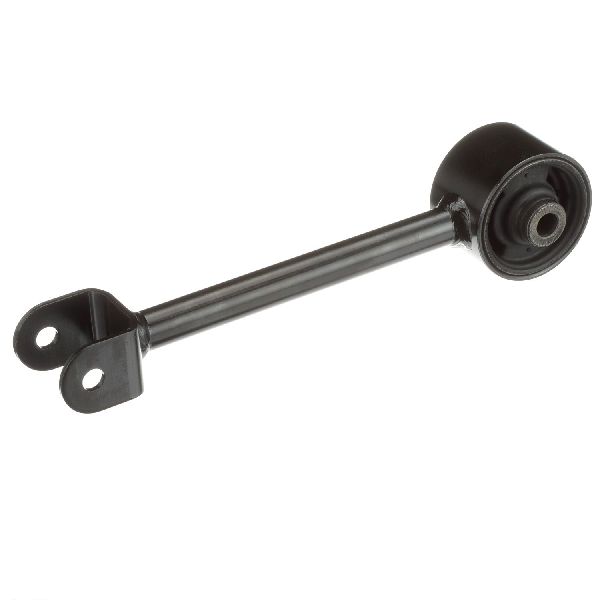
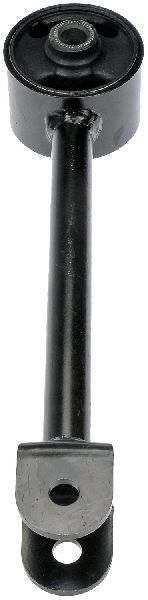
The rear suspension on the 2006-2010 Kia Optima is a multi-link independent setup. The trailing arm is a stamped steel component that includes pre-installed rubber bushings at its mounting points. It is side-specific (left and right).
We Have This Part in Stock

The information in this article is provided for general reference and educational purposes only. Vehicle specifications, procedures, and part compatibility can vary by production date, trim level, and region. Always consult your vehicle's factory service manual and verify part numbers before purchasing or performing repairs. Safety-critical components such as airbags, seat belts, and braking systems should be installed by a qualified professional.
- Kia Optima: