

Acura CSX Disc Brake Hardware Guide (2006-2011): Replacing Clips and Pins
Don't let seized brake hardware ruin your pads and rotors; here is what you need to know for your CSX.
- The most common brake problem for the CSX is seized caliper guide pins, which requires cleaning and lubrication during every brake job.
- Aftermarket hardware kits are the most practical and cost-effective choice, as OEM hardware is not typically sold as a complete, standalone kit.
- Always confirm your trim (Base vs. Type-S) before ordering, as the brake components are not interchangeable.
- Replacing the hardware clips and springs with every brake pad change is essential to prevent noise and ensure proper function.
The Most Common Brake Problem on the Acura CSX
If you own a 2006-2011 Acura CSX, you know it's a unique car for the Canadian market. That also means it faces harsh Canadian winters, which are tough on brake components. The single most common brake issue for these cars isn't usually the pads or rotors themselves, but the hardware, specifically seized caliper guide pins. Forum posts from CSX and 8th-generation Honda Civic owners frequently describe one wheel getting extremely hot, a burning smell, and brakes that screech or grind. This is almost always caused by a caliper pin that has rusted and frozen in place, forcing the brake pad to stay in constant contact with the rotor.
Check Your Caliper Pins
A seized caliper pin is a maintenance issue, not a part defect, so there are no recalls or TSBs for it. It leads to rapid and uneven brake pad wear, and can quickly destroy a new set of pads and rotors. During any brake job, it is critical to remove, clean, and re-lubricate the caliper guide pins with a proper high-temperature brake grease.
Symptoms of Failing Brake Hardware
- Squealing or Squeaking: Noise during light braking can be caused by worn or weak anti-rattle clips.
- Grinding or Dragging Sounds: A pad that isn't retracting correctly due to a stuck pin or binding hardware will make a constant grinding noise.
- Uneven Pad Wear: If you inspect your pads and one is much thinner than the other (inner vs. outer), it's a sure sign the caliper isn't moving freely.
- Burning Smell: A strong burning odor from one wheel after driving is a classic symptom of a stuck caliper pin or pad.
- Vehicle Pulling: The car may pull to one side when braking if one brake is working harder than the other.
Choosing the Right Aftermarket Hardware Kit
When you buy new brake pads, they don't always come with new hardware. For the Acura CSX, replacing the hardware is essential. You have two main choices: OEM or aftermarket.
OEM (Original Equipment Manufacturer): Honda/Acura typically does not sell a complete "hardware kit" for the CSX. Instead, the necessary clips and springs are usually included with a new set of OEM brake pads. Buying these small metal pieces individually from a dealership is often impractical and expensive.
Aftermarket: This is the most common and practical solution. Aftermarket companies sell complete kits for your specific vehicle at a very reasonable price. For a daily driven CSX, a quality aftermarket kit will perform just as well as the original parts. Here’s a look at the available brands:
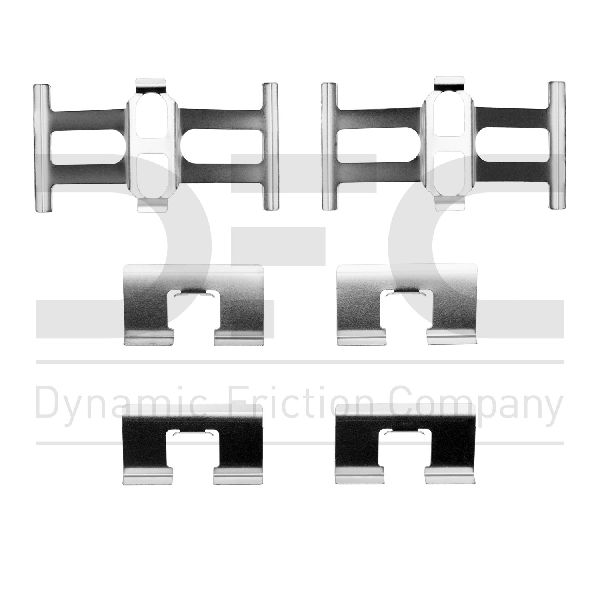
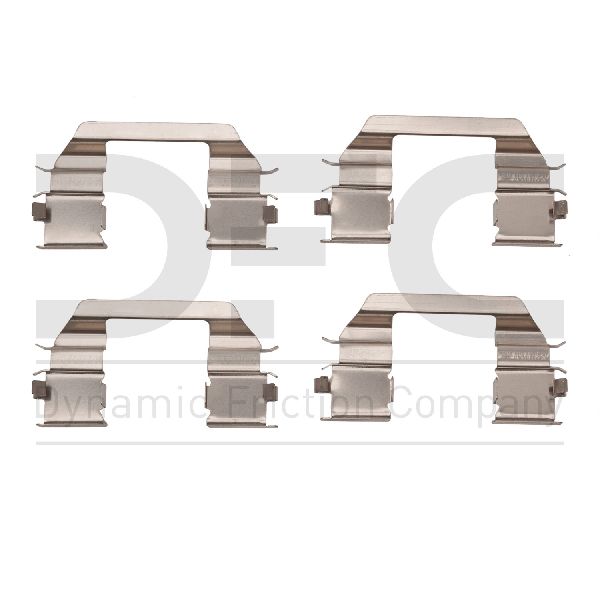
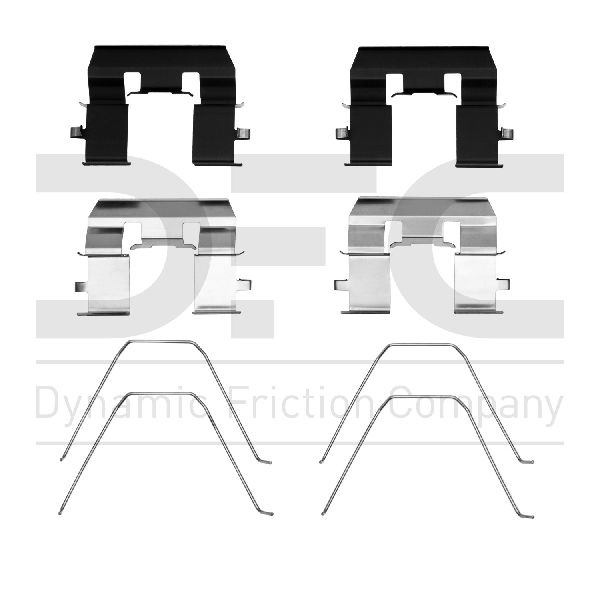
- Dynamic Friction: Often considered a higher-tier aftermarket choice. They are noted for using stainless steel components more frequently than other brands, which provides better corrosion resistance—a major plus for CSX owners in salt-heavy regions.
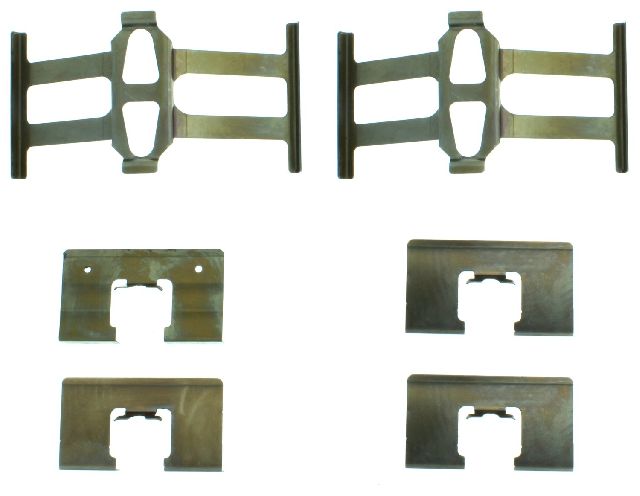
- Centric: A well-known and reputable brand in the aftermarket world. They offer reliable, good-quality hardware that is a dependable choice for daily driving. They are a go-to for many mechanics and DIYers.
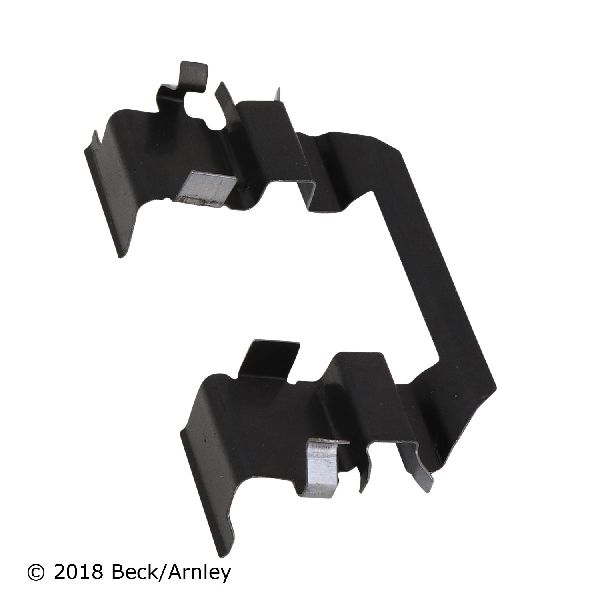
- Beck Arnley: This brand specializes in providing parts that match the original equipment (OE) form, fit, and function. They source parts from various manufacturers, so the components could be from the same supplier Acura used originally. It's a solid choice if you want to stick as close to stock as possible without paying dealership prices.
Cost of New Disc Brake Hardware Kits for 2006-2011 Acura CSX
| Part Type | Price Range (per axle) |
|---|---|
| New Aftermarket Hardware Kit | $6.79 - $32.68 |
| New OEM Hardware | $50 - $80+ (Est., if purchased individually) |
Note: Prices are estimates and can vary based on retailer and location. OEM hardware is typically included with OEM brake pads and not sold as a standalone kit.
Frequently Asked Questions (FAQ)
Do I really need to replace my brake hardware?
Yes. The old clips lose their spring tension over time due to heat cycles and corrosion. Reusing them can lead to brake noise and vibration. Given the low cost of a new kit, it's cheap insurance for a quiet and effective brake job.
Are the front and rear hardware kits the same?
No, the front and rear brake systems on the Acura CSX are different sizes and use different hardware kits. You must buy a kit specific to the front or rear axle.
Is there a difference between Base and Type-S hardware?
Yes. The high-performance CSX Type-S has larger, more powerful brakes, similar to the Honda Civic Si. The brake pads, rotors, and hardware are different from the base model CSX. Always confirm your vehicle's trim level before ordering parts.
What is included in a typical disc brake hardware kit?
A kit for one axle typically includes all the necessary anti-rattle clips and pad abutment clips. It does NOT usually include caliper guide pins or their rubber boots, which may need to be purchased separately if they are seized or damaged.
Technical Specifications
OEM Part Numbers: 45023-SNA-A00 43227-SNE-A01
Kit typically includes pad abutment clips and anti-rattle springs for one axle (front or rear). Caliper guide pins and boots are usually sold separately. Materials vary by brand, with some offering stainless steel for enhanced corrosion resistance.
We Have This Part in Stock

The information in this article is provided for general reference and educational purposes only. Vehicle specifications, procedures, and part compatibility can vary by production date, trim level, and region. Always consult your vehicle's factory service manual and verify part numbers before purchasing or performing repairs. Safety-critical components such as airbags, seat belts, and braking systems should be installed by a qualified professional.
- Acura CSX: