

BMW 650i (2006-2011) Engine Coolant Temperature Sensor Guide
Understanding the right replacement coolant sensor for your BMW 650i's N62 engine is crucial for performance and preventing costly issues.
- A failing coolant sensor on your 650i can cause poor fuel economy, overheating, and Check Engine Lights.
- Choose high-quality aftermarket brands like Delphi or Vemo that are known OEM suppliers for German vehicles.
- Replacement is a manageable DIY task with a 22mm socket, but the engine must be cold and the system must be bled afterward.
- Always replace the sensor's O-ring seal to prevent future coolant leaks.
Is a faulty Engine Coolant Temperature Sensor a big deal on the 650i?
Yes, it can be. A failing coolant temperature sensor can cause a range of problems, from annoying to potentially engine-damaging. The N62 V8 engine in your 650i relies on precise data to manage performance and temperature. When the sensor provides false information—or none at all—the engine's computer (ECU) can't make the right decisions. This can lead to poor fuel economy, failed emissions tests, and even overheating.
🎬 Watch this video to learn common symptoms of a bad sensor.Common Ordering Mistake
Some BMW models have two coolant temperature sensors. One is for the engine management system (the primary one discussed here), and another is often located on the lower radiator hose to help control the electric fan. Ensure you are ordering the correct sensor for your needs. The primary engine sensor is typically located on the cylinder head or thermostat housing.
Choosing the Right Aftermarket Sensor
When replacing the coolant sensor on your BMW, you don't have to buy an expensive part from the dealer. However, not all aftermarket brands are created equal. For a critical component like this, quality matters.
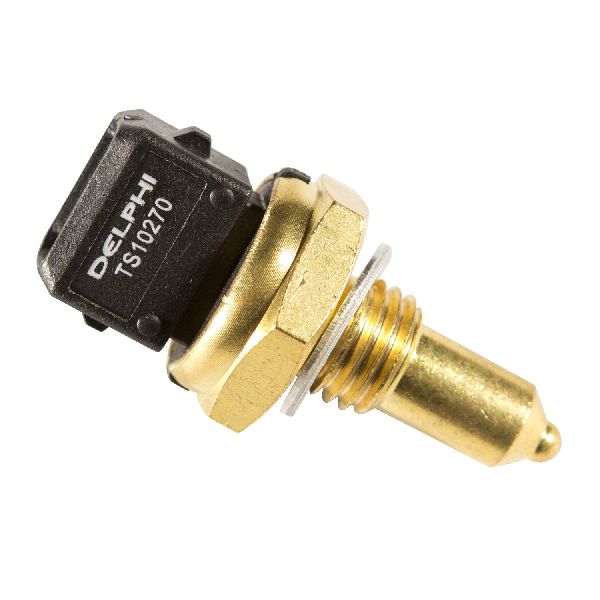
- OEM-Supplier Brands (Highest Quality): Brands like Delphi and Vemo are often original equipment manufacturers for BMW and other German automakers. Choosing one of these brands is the closest you can get to the original part's quality and reliability without the dealership price tag. They are engineered to meet or exceed OEM specifications.
- Reputable Aftermarket Brands (Good Quality): Brands such as Beck Arnley, Standard Ignition (SMP), and NGK have a long-standing reputation for producing reliable aftermarket parts. While they may not be the original supplier, they are known for good quality control and performance.
- Budget-Friendly Options (Use with Caution): Brands like URO Parts are known for being very affordable. While they can be a good option for non-critical components, many BMW owners in forums express caution when using them for important sensors. An inexpensive sensor that fails early can lead to the same problems you were trying to fix, requiring you to do the job all over again.
Pro Tip: Replace the O-Ring
The small O-ring or seal on the sensor is a common failure point for coolant leaks. Even if your new sensor comes with a seal, it's wise to ensure it's high quality. Some specialists sell upgraded O-rings separately. Always replace the seal with the sensor to prevent leaks.
Cost of Replacing the Engine Coolant Temperature Sensor
| Part Type | Estimated Cost |
|---|---|
| New Aftermarket Sensor | $19 - $56 |
| New OEM (Dealer) Sensor | $60 - $110 |
| Shop Labor | $100 - $180 |
Frequently Asked Questions (FAQ)
Where is the coolant temperature sensor located on my 2006-2011 BMW 650i?
On the N62 V8 engine, the primary engine coolant temperature sensor is typically located on the front of the engine, screwed into the cylinder head or near the thermostat housing. You will likely need to remove the engine cover and possibly the air intake snorkel to access it. 🎬 See the exact location of the sensor on a 6 Series. A similar sensor for the radiator fan is often found on the lower radiator hose.
Can I replace this sensor myself?
Yes, this is a DIY-feasible job for many home mechanics. The key is to work on a cold engine to avoid burns and minimize coolant loss. You will need a 22mm deep socket or wrench. To minimize coolant spillage, you can quickly swap the old sensor for the new one, but be prepared for some coolant to leak out. After replacement, you must top off the coolant and properly bleed the cooling system to remove any air pockets, which is a critical step on BMWs.
🎬 Follow this step-by-step guide to replace the upper coolant sensor.Are there any recalls for the coolant sensor on the 650i?
No specific recalls were found for the engine coolant temperature sensor on the 2006-2011 BMW 650i. Searches on the NHTSA database did not show any recalls directly related to this component for this model range. However, other BMW models have had service actions related to coolant sensor corrosion, highlighting the importance of using a quality part.
What's the difference between a coolant temperature sensor and a thermostat?
The coolant temperature sensor is an electronic device that measures the temperature and sends that information to the car's computer. The thermostat is a mechanical valve that opens and closes to control the flow of coolant between the engine and the radiator. While they work together, a bad sensor can't be fixed by replacing the thermostat, and vice-versa.
Helpful Videos
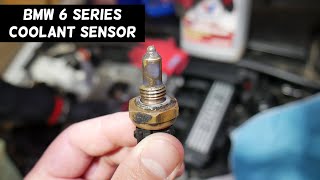
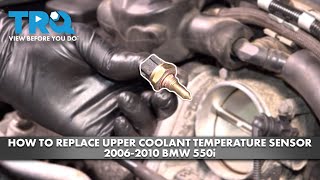

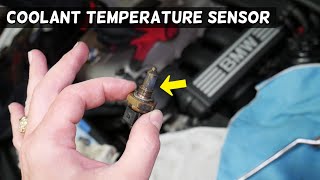
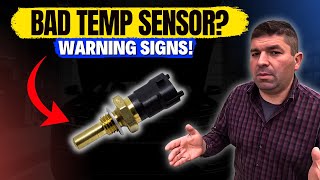
Technical Specifications
OEM Part Numbers: 13621433076 13621709966
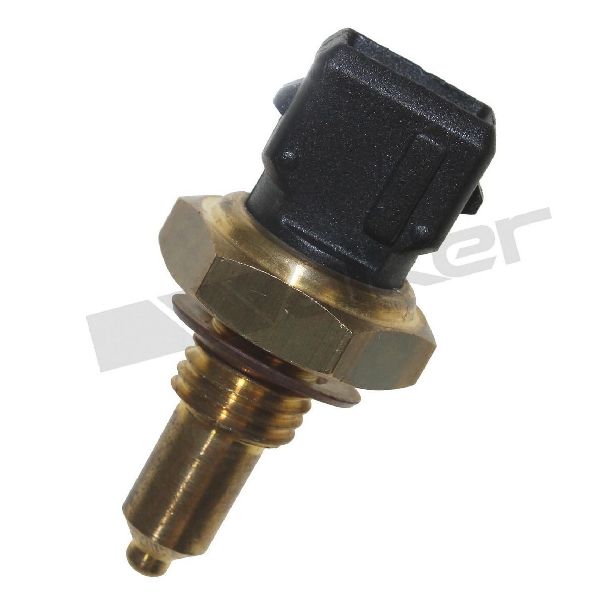
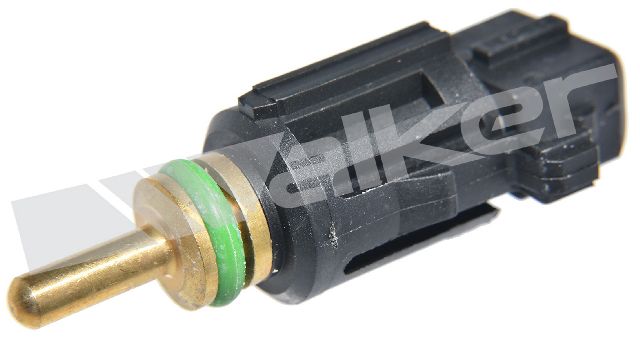
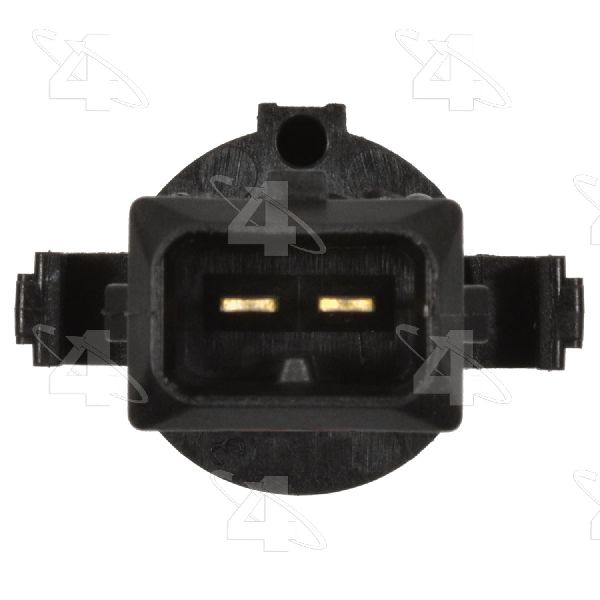
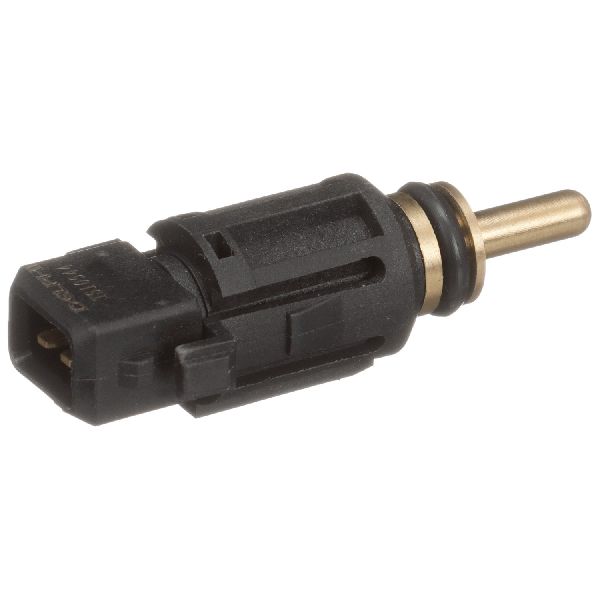
Typically a two-pin connector requiring a 22mm socket for removal/installation.
We Have This Part in Stock


The information in this article is provided for general reference and educational purposes only. Vehicle specifications, procedures, and part compatibility can vary by production date, trim level, and region. Always consult your vehicle's factory service manual and verify part numbers before purchasing or performing repairs. Safety-critical components such as airbags, seat belts, and braking systems should be installed by a qualified professional.
- BMW 650i: