

Engine Camshaft Position Sensor Guide for the 2006-2011 Buick Lucerne
Fix stalling, rough idling, and no-start problems by understanding and choosing the right camshaft position sensor for your Lucerne.
- A failing camshaft sensor commonly causes stalling, rough running, and no-start conditions.
- For reliable, long-lasting performance, choose an OEM-grade brand like ACDelco or Delphi.
- Before replacing the sensor, always inspect the wiring connector for damage or oil contamination.
- The replacement is straightforward on V6 models but significantly more difficult on the V8 Northstar engine.
Understanding Camshaft Position Sensor Failure in Your Lucerne

The camshaft position sensor (CMP) is a small but vital part that tells your car's computer when to fire the fuel injectors and spark plugs. It works with the crankshaft position sensor to make sure your engine runs smoothly. When it starts to fail, your Lucerne's computer gets confusing signals, leading to noticeable driving problems. These sensors can wear out over time due to heat and vibration, or they can be damaged by engine oil leaks.
Common Symptoms of a Bad Camshaft Sensor

A failing camshaft sensor can make you think you have a much bigger engine problem. The symptoms can appear suddenly or get worse over time. Here’s what to look for:
- Check Engine Light: This is often the first sign. The computer will store a trouble code, most commonly P0340 or P0341, indicating a problem with the sensor's circuit or signal.
- Engine Stalling: The engine may stall unexpectedly while you are driving or idling at a stoplight. This can be dangerous if it happens in traffic.
- Hard Starting or No Start: Your Lucerne may take longer than usual to start, or it might just crank without ever firing up. This happens because the computer doesn't know the correct timing to start the engine.
- Rough Idle and Misfires: The engine may shake, sputter, or run unevenly because the timing for fuel and spark is incorrect.
- Poor Acceleration: You might notice the car feels sluggish or hesitates when you press the gas pedal.
Don't Ignore the Signs
While you might be able to drive with a failing sensor, the risk of the engine stalling at any time makes it unsafe. It's best to address the issue as soon as possible to avoid being stranded or causing further damage to components like the catalytic converter from unburned fuel.
Choosing the Right Aftermarket Sensor for Your Lucerne

When it comes to electronic sensors, quality matters. While a cheaper part is tempting, it can fail quickly and leave you with the same problem. For a critical sensor like the CMP, it's best to choose a brand with a reputation for reliability.
Brand Quality Tiers
- OEM-Grade Aftermarket (Best Choice): Brands like ACDelco (the original GM parts supplier) and Delphi are excellent choices. They are often the same parts used in the factory, ensuring perfect fit and long-term reliability. These are highly recommended for a trouble-free repair.
- Quality Aftermarket (Good Choice): Brands such as Standard Ignition (SMP), NGK, and Hitachi have a strong reputation for producing reliable sensors that meet or exceed OEM specifications. They offer a great balance of quality and price.
- Economy Aftermarket (Use with Caution): Brands like Dorman, Walker Products, and other lower-priced options can be a mixed bag. While some may work fine, owner forums often contain stories of these cheaper sensors failing prematurely. If your budget is tight, they are an option, but be aware of the potential for a shorter service life.
Pro Tip: Check the Connector First!
Before you replace the sensor, always inspect the wiring connector. Look for signs of corrosion, bent pins, or oil contamination from a nearby leak. Sometimes, a bad connection is the real problem, not the sensor itself. Cleaning the connector or repairing a damaged wire can save you the cost of a new part.
Cost to Replace a Buick Lucerne Camshaft Position Sensor
The cost can vary depending on your engine and whether you do the job yourself or hire a professional.
| Item | Estimated Cost |
|---|---|
| New Aftermarket Part | $27 - $98 |
| Shop Labor | $75 - $150 |
| Total Professional Replacement | $102 - $248 |
Frequently Asked Questions (FAQ)

Where is the camshaft position sensor located on the 2006-2011 Buick Lucerne?
The location depends on your engine. On the common 3.8L V6 engine, the sensor is located on the passenger side of the engine block, near the water pump and behind the serpentine belt tensioner. For the 4.6L V8 Northstar engine, there are two sensors, and they are located under the intake manifold, making them much more difficult to access.
Can I replace the camshaft position sensor myself?
For the 3.8L V6 engine, DIY replacement is very feasible for someone with basic mechanic's tools. It typically involves removing the serpentine belt to get access. For the 4.6L V8, the job is much more advanced as it requires removing the intake manifold and should likely be left to a professional.
Does my Lucerne have one or two camshaft sensors?
The V6 engines (3.8L and 3.9L) typically have one camshaft position sensor. The 4.6L V8 Northstar engine has two camshaft position sensors, one for each bank of cylinders.
Are there any recalls for the camshaft position sensor on the Lucerne?
There are no specific recalls for the camshaft position sensor itself on the 2006-2011 Buick Lucerne. However, GM has issued recalls for other models with similar engines for related issues, and there is a special coverage program for some Lucerne model years related to an electrical issue that can cause stalling.
Helpful Videos

Technical Specifications
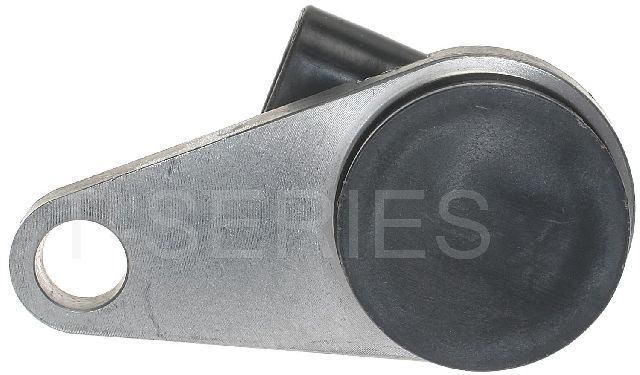
OEM Part Numbers: 12588992 12597253 12567650
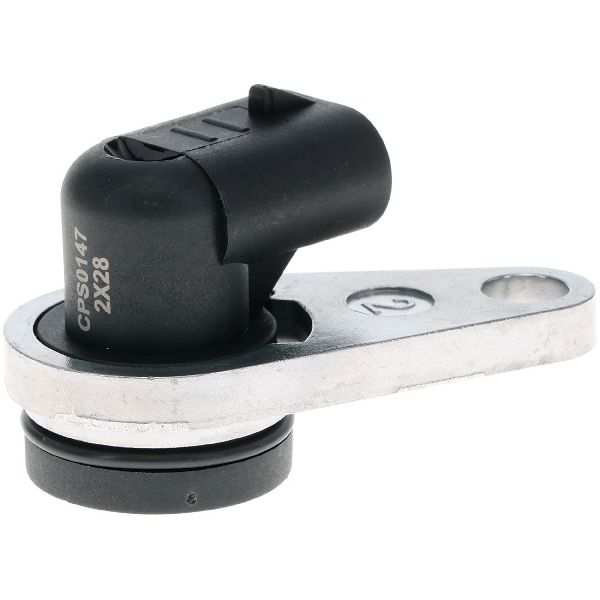
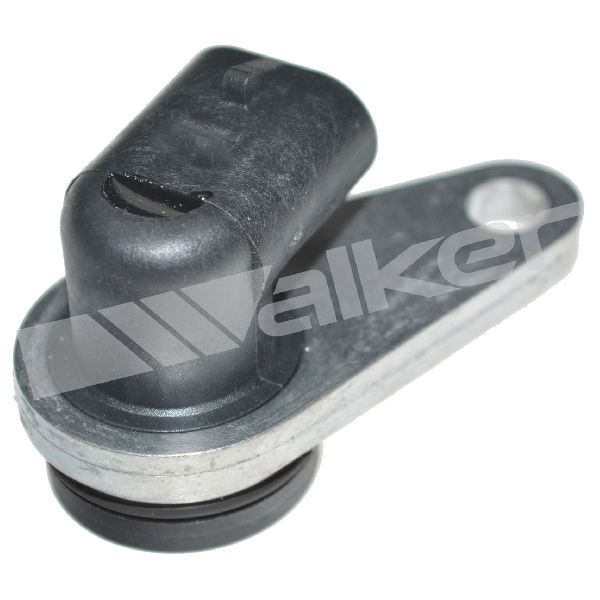
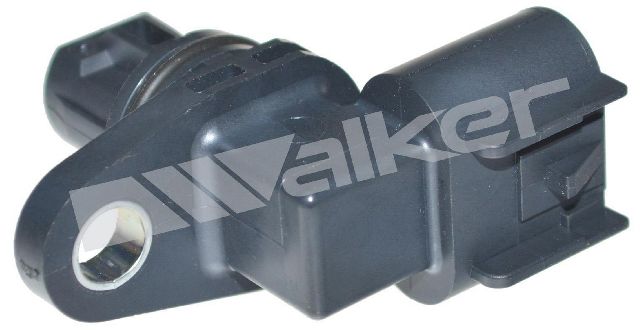
The sensor is a Hall-effect type that generates a digital square wave signal for the ECM. It uses a 3-wire connector for power, ground, and signal. The specific sensor design varies between the V6 and V8 engines.
We Have This Part in Stock


The information in this article is provided for general reference and educational purposes only. Vehicle specifications, procedures, and part compatibility can vary by production date, trim level, and region. Always consult your vehicle's factory service manual and verify part numbers before purchasing or performing repairs. Safety-critical components such as airbags, seat belts, and braking systems should be installed by a qualified professional.
- Buick Lucerne:
- 🎬 Helpful Videos
- 🛍️ Shop This Part
- Understanding Camshaft Position Sensor Failure in Your Lucerne
- Common Symptoms of a Bad Camshaft Sensor
- Don't Ignore the Signs
- Choosing the Right Aftermarket Sensor for Your Lucerne
- Brand Quality Tiers
- Pro Tip: Check the Connector First!
- Cost to Replace a Buick Lucerne Camshaft Position Sensor
- Frequently Asked Questions (FAQ)
- 🎟️ Get 5% Off