

Engine Coolant Temperature Sensor Guide for the 2006-2011 Buick Lucerne
An essential guide to diagnosing and replacing the engine coolant temperature sensor in your V6 or V8 Lucerne.
- A bad ECT sensor can cause overheating, poor MPG, a check engine light, and rough running.
- For code P0128, check the thermostat first, as it's the more common failure for that specific code on a Lucerne.
- Use a high-quality OEM or premium aftermarket brand like ACDelco, Delphi, or NGK to ensure reliability.
- Replacement is an easy DIY job that takes less than an hour for most owners.
Is Your Buick Lucerne's ECT Sensor Failing?

A bad Engine Coolant Temperature (ECT) sensor can cause a surprising number of problems. Because the sensor's reading affects everything from fuel mixture to the cooling fans, a false signal can send the engine's computer into a confused state. You might notice one or more of these issues if your sensor is on its way out.
Common Symptoms of a Bad Sensor:
- Check Engine Light: This is often the first sign. The computer will log a trouble code, such as P0117, P0118, or P0128.
- Inaccurate Temp Gauge: The gauge on your dashboard might swing wildly, stay on cold, or shoot straight to hot.
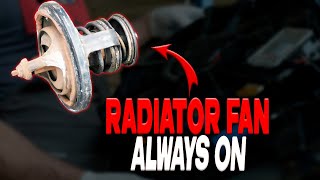
- Cooling Fan Problems: The fans might run all the time, even when the engine is cold, or they might not turn on at all, leading to overheating. 🎬 Learn why your radiator fans might be running constantly.
- Poor Fuel Economy: If the sensor tells the computer the engine is always cold, the computer will inject extra fuel, causing the engine to "run rich." You'll notice a drop in MPG and may smell gasoline.
- Black Exhaust Smoke: A rich fuel mixture can result in black smoke coming from the tailpipe.
- Rough Idle & Poor Performance: The engine may stumble, hesitate, or run poorly because the fuel and timing calculations are incorrect.
A Note on Code P0128
If you get a Check Engine Light with code P0128 (Coolant Temperature Below Thermostat Regulating Temperature), the most common cause for the Buick Lucerne is a thermostat that is stuck open, not a bad sensor. If your car is slow to warm up and the temp gauge stays low, inspect the thermostat first before replacing the ECT sensor.
Choosing the Right Aftermarket Sensor

For a critical sensor like the ECT, quality matters. While saving a few dollars on a budget part is tempting, a faulty aftermarket sensor can cause the same problems as the part you're replacing. Here’s a breakdown of the brands available for your Lucerne.
Brand Quality Tiers
- Tier 1: OEM & Premium Aftermarket (Recommended): These brands are either the original equipment manufacturer or have a reputation for equivalent quality. For your Lucerne, this includes ACDelco (the genuine GM part) and Delphi. Brands like NGK/NTK and Standard Motor Products (SMP) are also widely regarded as high-quality aftermarket choices.
- Tier 2: Quality Mid-Range Aftermarket: This tier includes brands that aim for OE quality and often have good warranties. Beck Arnley historically re-boxed OEM parts, but quality can sometimes be inconsistent. Holstein is another option that claims to use high-quality manufacturing processes.
- Tier 3: Economy Aftermarket: This group includes brands like Walker Products, Four Seasons, Facet, and other lower-priced options. While they offer significant savings, their reliability can be a gamble. For a sensor that plays such a key role in engine management, it's often worth spending a little more to avoid future headaches.
Pro Tip: When replacing the sensor, it's also a good time to inspect the electrical connector. If it's cracked, brittle, or corroded, replace it too. A bad connection can mimic a bad sensor.
Cost to Replace a Buick Lucerne ECT Sensor

| Part/Service | Estimated Cost |
|---|---|
| New OEM (ACDelco) | $25 - $60 |
| New Aftermarket | $12 - $51 |
| Shop Labor | $75 - $150 |
| Total Professional Replacement | $100 - $210 |
Frequently Asked Questions

Where is the ECT sensor located on my Buick Lucerne?
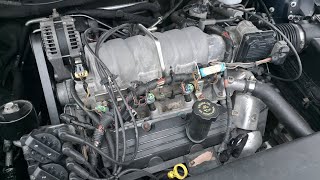
The location depends on your engine. On the 3.8L V6, it is easy to spot on the front, right side of the engine, near the thermostat housing. On the 4.6L Northstar V8, it is in a tighter spot but is still accessible, typically found on the coolant crossover manifold. 🎬 See the exact sensor location on the Northstar V8. For the 3.9L V6, it is also located near the thermostat housing. Always let the engine cool completely before attempting to locate or replace it.
Can I replace the sensor myself?
Yes, this is a very DIY-friendly job for most home mechanics. The process involves disconnecting the battery, unplugging the electrical connector, and using a deep socket wrench to unscrew the old sensor. Be prepared for a small amount of coolant to spill out when you remove the old sensor; have the new sensor ready to install quickly to minimize loss.
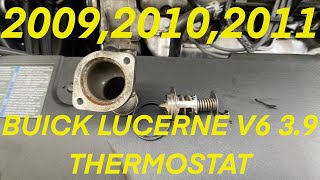
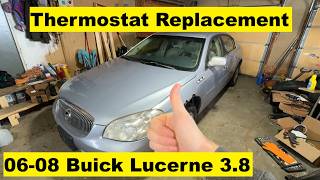
🎬 Watch this walkthrough for replacing the sensor and thermostat.Are there any recalls for the Lucerne's ECT sensor?
No, as of early 2026, there are no specific recalls or Technical Service Bulletins (TSBs) from GM or the NHTSA for the engine coolant temperature sensor on the 2006-2011 Buick Lucerne.
Does my Lucerne have more than one coolant sensor?
Most Lucerne models use a single ECT sensor that provides data to both the engine computer and the dashboard temperature gauge. Some vehicles have a separate sensor or switch just for the gauge, but for the 2006-2011 Lucerne, a single sensor typically performs all functions.
Helpful Videos
Technical Specifications
OEM Part Numbers: 12608814 (For 3.9L V6) 15326386 (For 3.8L V6 & 4.6L V8)
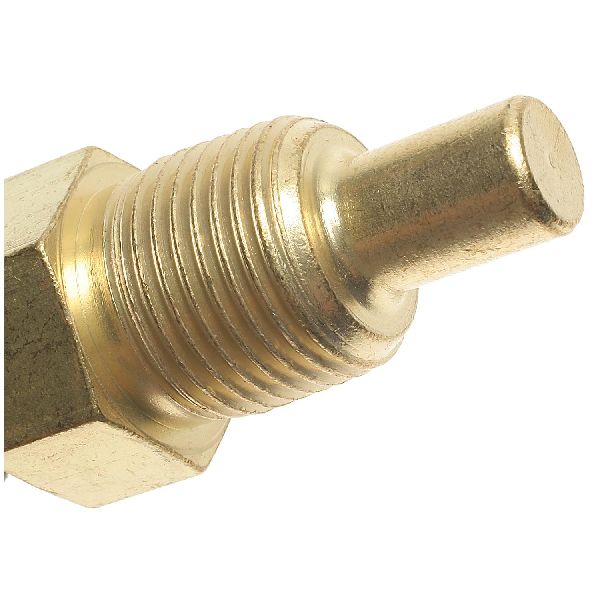
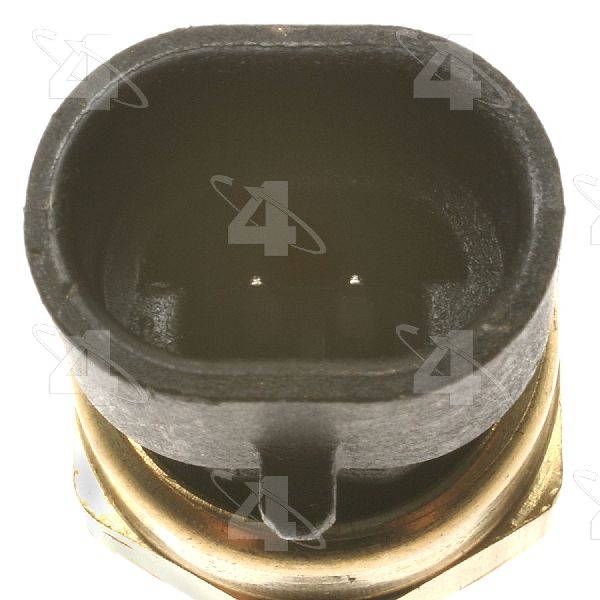
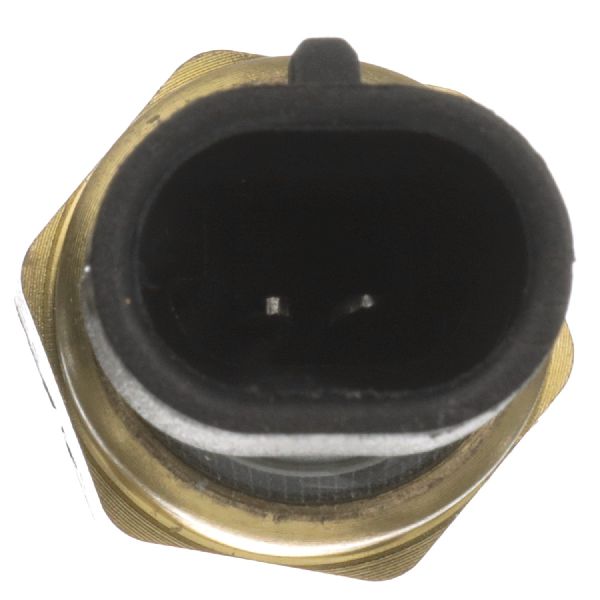
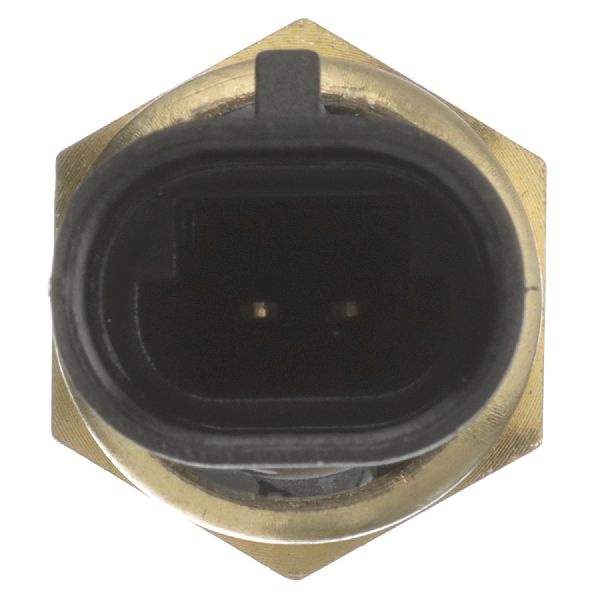
The sensor is typically made of brass with a 2-pin electrical connector. Thread size may vary, so confirming the part number with your Lucerne's specific engine is crucial.
We Have This Part in Stock


The information in this article is provided for general reference and educational purposes only. Vehicle specifications, procedures, and part compatibility can vary by production date, trim level, and region. Always consult your vehicle's factory service manual and verify part numbers before purchasing or performing repairs. Safety-critical components such as airbags, seat belts, and braking systems should be installed by a qualified professional.
- Buick Lucerne: