

Chevrolet HHR (2006-2011) Oxygen Sensor Replacement Guide
Understanding and replacing the oxygen sensors on your 2.2L or 2.4L HHR is key to restoring fuel economy and engine performance.
- Your HHR has two distinct oxygen sensors: one upstream (before the catalytic converter) and one downstream (after).
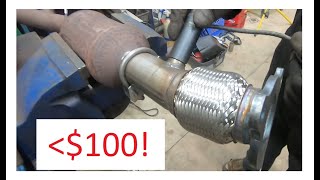
- Always inspect the exhaust flex pipe for cracks before replacing sensors, as a leak can cause similar symptoms and codes.
- Choose a direct-fit sensor from a reputable brand like ACDelco, Denso, Bosch, or NGK for the best results.
- Replacing the sensors is a manageable DIY job, but the old sensors can be very difficult to remove without the proper tools and penetrating oil.
Understanding Oxygen Sensor Failure in Your HHR

Oxygen sensors in the 2006-2011 Chevrolet HHR live in a harsh environment, constantly exposed to high-temperature exhaust gases. Over time, they can become contaminated by carbon, unburned fuel, or oil, or simply wear out. A common issue on these vehicles is a cracked flex pipe in the exhaust, which can allow fresh air to enter and cause false readings, leading to incorrect diagnostic codes. It's also been noted that the wiring harness for the upstream sensor can sometimes be mis-routed, causing it to contact the hot exhaust pipe and melt, leading to a short. When a sensor fails, it can no longer provide accurate information to the engine computer, resulting in poor performance and increased emissions.
Choosing the Right Aftermarket Oxygen Sensor

When replacing an oxygen sensor, you have a choice between OEM (Original Equipment Manufacturer) and aftermarket parts. For the HHR, ACDelco is the original GM parts supplier. However, high-quality aftermarket brands like Denso, Bosch, and NGK (NTK) are often the actual manufacturers for the OEM part and offer excellent performance, sometimes at a lower cost.
Direct-Fit vs. Universal Sensors
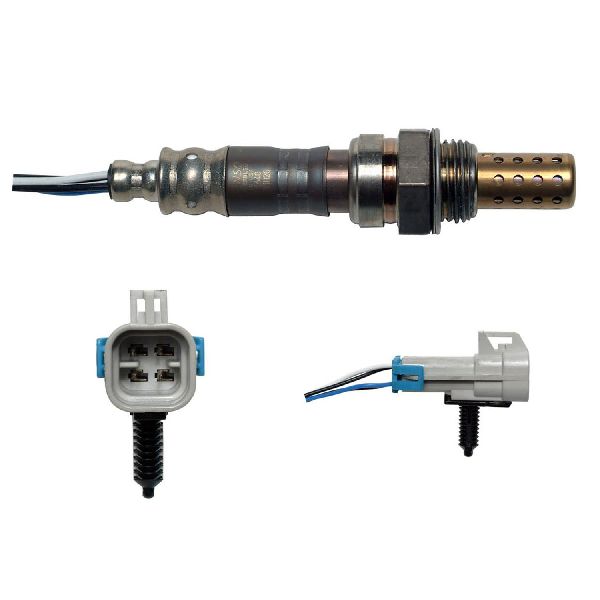
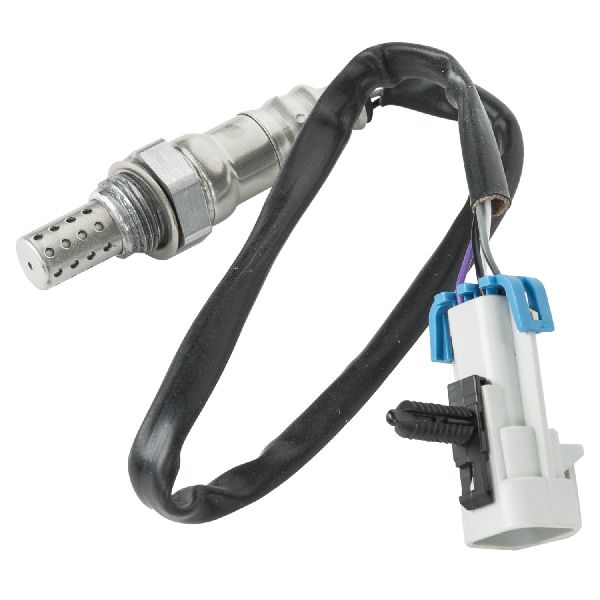
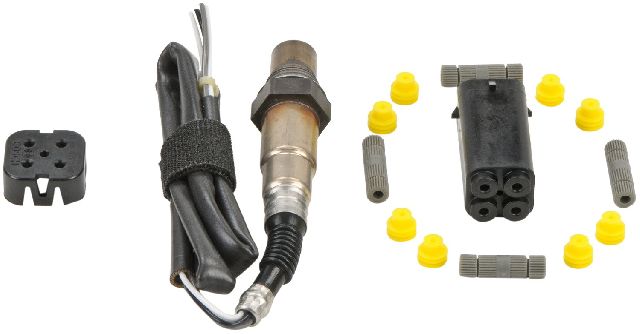
You will see both "direct-fit" and "universal" sensors available. A direct-fit sensor comes with the correct-length wire and factory-style connector for a simple plug-and-play installation. A universal sensor requires you to cut the old connector off and splice it onto the new sensor's wires. While universal sensors are often cheaper, the potential for a bad connection is higher. For a vehicle-specific part like an oxygen sensor, a direct-fit replacement is always the recommended choice to avoid problems.
Brand Quality Tiers for Your HHR
- Tier 1 (OEM & Premium Aftermarket): ACDelco (the GM original), Denso, Bosch, and NGK (NTK) are top choices. These brands are known for being original equipment suppliers and provide reliability and performance that meets or exceeds factory specifications. Many HHR owners report long-term success with these brands.
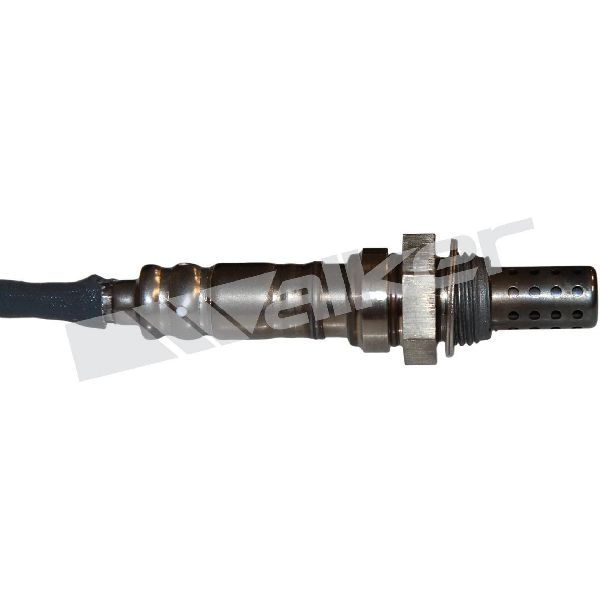
- Tier 2 (Quality Aftermarket): Brands like Delphi, Spectra, and Walker Products offer a good balance of quality and value. They are reputable manufacturers that produce reliable parts often chosen by professional repair shops.
- Tier 3 (Budget-Friendly): Brands like DriveWire and other lesser-known names offer the lowest price point. While they can function correctly, their long-term durability and the precision of their readings may not match the higher-tier brands.
Common Ordering Mistakes

The biggest mistake is mixing up the upstream (Sensor 1) and downstream (Sensor 2) sensors. They have different part numbers, wire lengths, and sometimes different connectors. Always verify the sensor's position before purchasing. For the 2006 HHR specifically, the upstream sensor is located on the exhaust manifold itself, while on some later models, it was moved to the catalytic converter pipe. Double-check the location on your specific vehicle.
Check Your Flex Pipe First!
Before spending money on new sensors, have your exhaust flex pipe inspected. A leak in the flex pipe is a very common HHR issue that can trick the computer into thinking an oxygen sensor is bad, often setting a P0171 (System Too Lean) code. 🎬 See how a cracked flex pipe causes the P0171 code Replacing sensors without fixing the leak will not solve the problem.
🎬 Watch: How to install a flex pipe repair kit easilyInstallation Tips

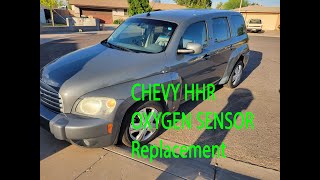
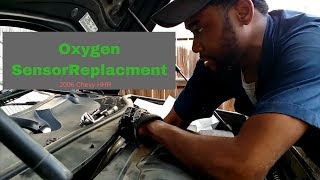
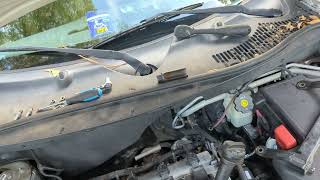
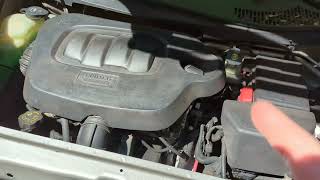
Replacing the oxygen sensors on an HHR is a feasible DIY job for those with 🎬 Watch: Complete step-by-step oxygen sensor replacement for 06-11 HHR some mechanical experience. The upstream sensor is accessible from the top of the engine bay after removing the air filter housing and engine heat shield. The downstream sensor is accessed from underneath the car. The sensors can be very tight in the exhaust pipe; using a special oxygen sensor socket and some penetrating oil is highly recommended. Always let the exhaust cool completely before starting work.
| Category | Price Range |
|---|---|
| New Aftermarket Sensor | $39.35 - $185.90 |
| New OEM (ACDelco/GM) Sensor | $62.00 - $145.00 |
| Shop Labor Cost | $49 - $72 |
| Total Professional Replacement | $152 - $189 |
Frequently Asked Questions
Where are the oxygen sensors located on my HHR?
The upstream (Sensor 1) is in the exhaust manifold at the front of the engine. You'll need to remove the plastic engine cover and a heat shield to see it clearly. The downstream (Sensor 2) is located under the car, after the catalytic converter.
Can I replace just one oxygen sensor?
Yes. The diagnostic trouble code will usually specify which sensor has a problem (e.g., 'Bank 1 Sensor 1' for upstream or 'Bank 1 Sensor 2' for downstream). You only need to replace the one that has failed. However, since they are the same age, if one fails the other may not be far behind.
What tools do I need to replace an HHR oxygen sensor?
You will need a basic socket set, a 22mm or 7/8" wrench, and a special oxygen sensor socket, which has a slot for the wire. A 13mm deep socket is needed for the heat shield bolts. Penetrating oil is also highly recommended to help loosen the old sensor.
Are there any recalls for the HHR oxygen sensor?
No, there are no specific recalls for the oxygen sensors on the 2006-2011 Chevrolet HHR. There was a recall on some other GM vehicles for an O2 sensor issue, but the HHR was not included. There are several unrelated safety recalls for the HHR, including for the ignition switch and power steering.
What do the oxygen sensor error codes mean?
Codes like P0030, P0135, and P0053 relate to the heater circuit inside the upstream sensor. A code like P0171 (System Too Lean) can be caused by a bad sensor, but on an HHR, it's frequently caused by a vacuum leak or a cracked exhaust flex pipe. Code P0420 often points to a failing catalytic converter, which is monitored by the downstream sensor.
Helpful Videos
Technical Specifications
OEM Part Numbers: 213-4195 213-3823 213-3138 213-4254 12637297 12656071 12612571
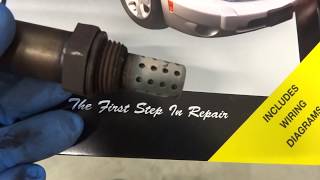
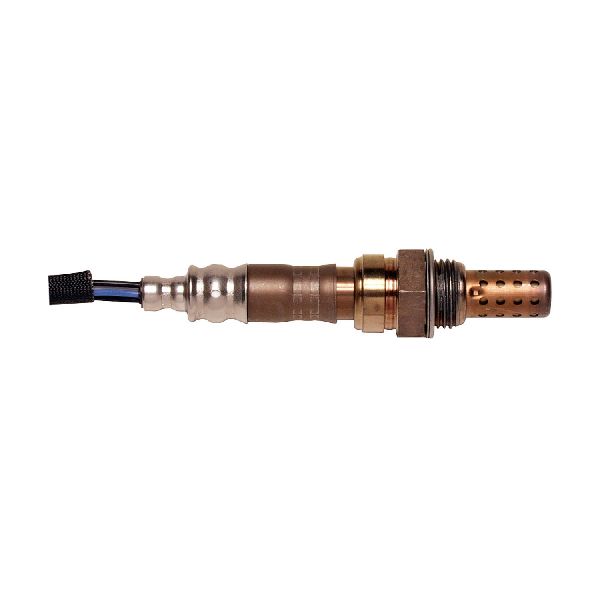
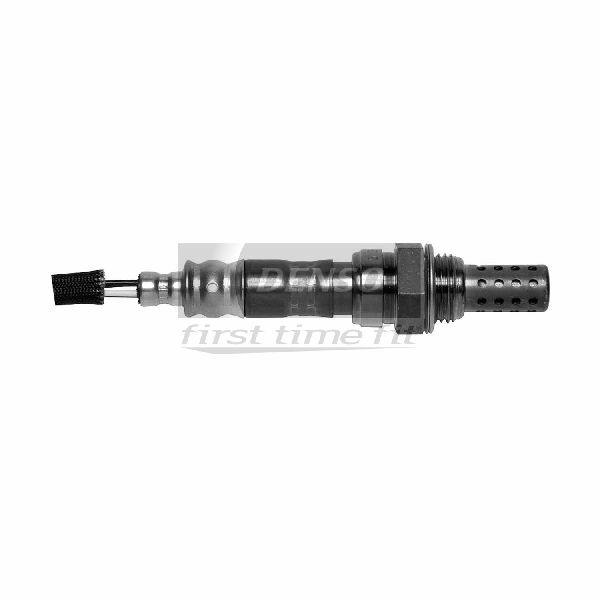
Your HHR uses a 4-wire, heated, narrow-band oxygen sensor. The thread size is M18-1.50. The upstream and downstream sensors have different wire lengths and connectors, so it is critical to order the correct part for the specific location.
We Have This Part in Stock

The information in this article is provided for general reference and educational purposes only. Vehicle specifications, procedures, and part compatibility can vary by production date, trim level, and region. Always consult your vehicle's factory service manual and verify part numbers before purchasing or performing repairs. Safety-critical components such as airbags, seat belts, and braking systems should be installed by a qualified professional.
- Chevrolet HHR:
- 🎬 Helpful Videos
- 🛍️ Shop This Part
- Understanding Oxygen Sensor Failure in Your HHR
- Choosing the Right Aftermarket Oxygen Sensor
- Direct-Fit vs. Universal Sensors
- Brand Quality Tiers for Your HHR
- Common Ordering Mistakes
- Check Your Flex Pipe First!
- Installation Tips
- Frequently Asked Questions
- 🎟️ Get 5% Off