

2006-2011 Dodge Charger Manifold Absolute Pressure (MAP) Sensor Guide
Is your Charger running rough, losing power, or burning too much gas? Your MAP sensor might be the problem.
- A bad MAP sensor will cause noticeable engine issues like rough idle, poor acceleration, and bad gas mileage.
- Replacement is very easy and can be done in under 30 minutes with basic tools.
- For reliability, consider premium aftermarket brands like Delphi, NGK, or Standard Ignition, as they are often OE-quality.
- Always verify the part fits your specific engine (V6 or V8), as they can be different.
Understanding MAP Sensor Failure in Your Charger
The Manifold Absolute Pressure (MAP) sensor in your 2006-2011 Dodge Charger is a small but critical electronic component. It operates in a harsh environment, exposed to engine heat and vibration, which can cause it to wear out over time. When it fails, it sends incorrect pressure data to your car's main computer, which can lead to a host of noticeable problems. Driving with a bad MAP sensor is not recommended, as it can cause poor fuel economy, rough running, and potentially damage other engine components over the long term.
Watch for These Symptoms
A failing MAP sensor can mimic other issues, like a vacuum leak. Before replacing the sensor, it's wise to check for cracked or loose vacuum hoses. Common signs of a bad MAP sensor include a rough idle, hesitation when you accelerate, poor fuel economy, and sometimes black smoke from the exhaust. The most definitive sign is usually an illuminated Check Engine Light.
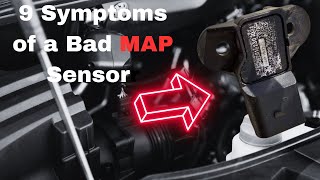
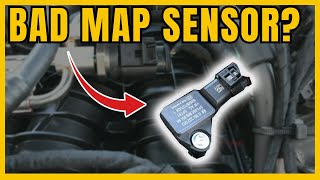
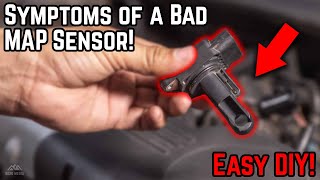
🎬 Watch: A clear explanation of common MAP sensor failure symptoms.Choosing the Right Aftermarket MAP Sensor
When it's time to replace your Charger's MAP sensor, you have a choice between the original Mopar part and several aftermarket brands. For a critical sensor like this, quality matters.
- Premium Brands (Delphi, NGK/NTK, Standard Ignition 'SMP'): These brands are often original equipment (OE) suppliers to many car manufacturers and are known for their quality and reliability. Choosing one of these is a solid bet for performance that is close to, or meets, the original Mopar part. They are tested to OE standards, ensuring accurate readings.
- Standard Brands (Spectra, Holstein, Walker Products): These brands offer a balance of price and quality. While generally reliable, some user experiences suggest that quality can be inconsistent, especially with budget-friendly options. For a daily driver, they are a viable option, but be aware that you might encounter a faulty part out of the box more often than with premium brands.
- Economy Brands (Global Parts, Crown Automotive): These are typically the most affordable options. While Crown Automotive is known for Jeep parts, its quality can be a mixed bag for other vehicles. These brands can be a good choice if budget is the primary concern, but for a sensor that directly impacts engine performance and fuel economy, investing a little more in a higher-tier brand is often a better long-term decision.
Pro Tip: Check Your Engine
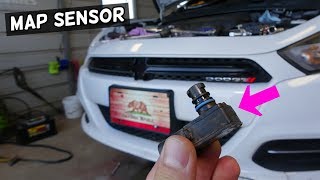
The 2006-2011 Dodge Charger was available with several engines (2.7L V6, 3.5L V6, 5.7L HEMI V8, 6.1L SRT V8). Always verify the part number fits your specific engine, as they can differ. The 6.1L SRT8, for example, 🎬 See this walkthrough for replacing the sensor on 3.5L engines. may use a different sensor than the V6 models.
Cost of Replacing a MAP Sensor
| Item | Estimated Cost |
|---|---|
| New Aftermarket MAP Sensor | $26.32 - $129.55 |
| New OEM (Mopar) MAP Sensor | $100 - $150 |
| Shop Labor | $50 - $100 |
Frequently Asked Questions
Where is the MAP sensor located on a 2006-2011 Dodge Charger?
The MAP sensor is typically located on the intake manifold, near the throttle body. On V6 and V8 engines, you may need to remove the top engine cover to access it. It is usually held in by one or two bolts or has a twist-lock design and has an electrical connector attached.
Can I clean my MAP sensor?
No, the MAP sensor cannot be repaired or cleaned. It is a sealed electronic unit. If it is faulty, it must be replaced. Attempting to clean it can damage the sensitive internal components.
Is replacing the MAP sensor a DIY job?
Yes, for most people this is a very easy DIY job. It usually requires only basic hand tools and takes less than 30 minutes. The sensor is typically easy to access. The main steps are disconnecting the battery, unplugging the electrical connector, removing the old sensor, and installing the new one. Be careful with the twist-lock style sensors to avoid breaking the intake manifold.
🎬 Watch: How to safely remove and replace your MAP sensor.Do I need to reset the computer after replacing the MAP sensor?
After replacing the sensor, it's a good practice to clear the Check Engine Light codes with an OBD-II scanner. You can also disconnect the battery for about 15 minutes to reset the ECU, but using a scanner is the preferred method. The computer will then learn the parameters of the new sensor as you drive.
Helpful Videos
Technical Specifications
OEM Part Numbers: 56041018AD 05033310AC 56028562AB 5149091AA
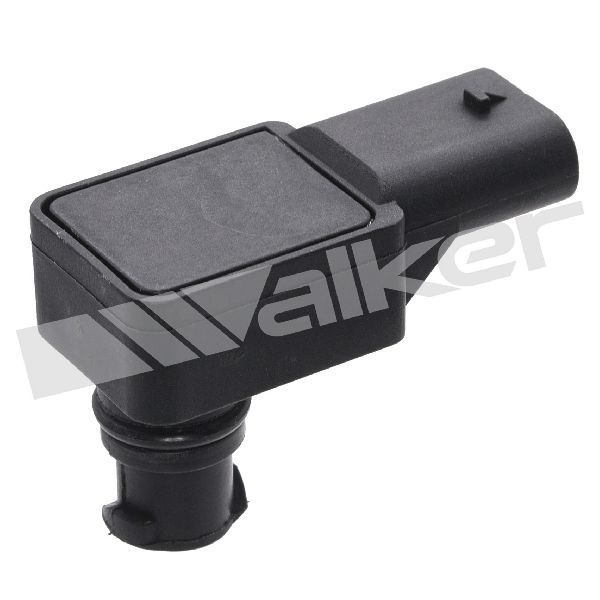
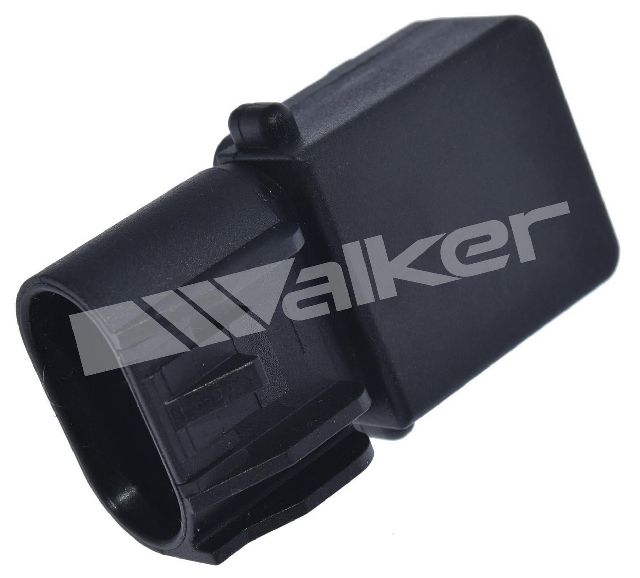
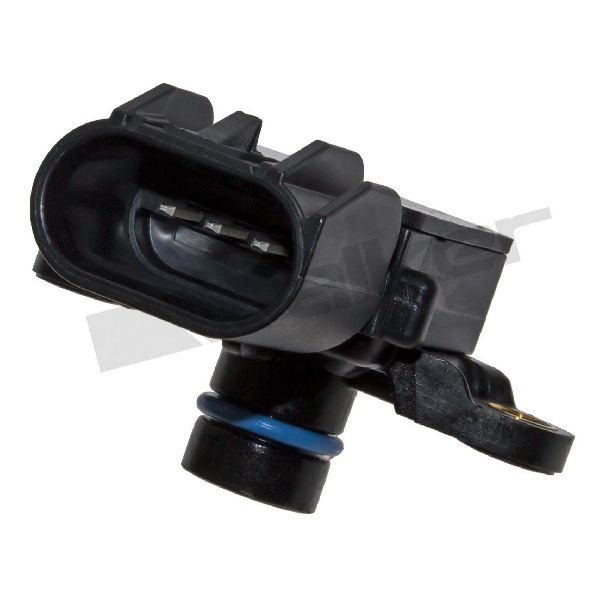
3-prong male pin terminal with a female connector. Typically a twist-lock or single-bolt mount design.
We Have This Part in Stock


The information in this article is provided for general reference and educational purposes only. Vehicle specifications, procedures, and part compatibility can vary by production date, trim level, and region. Always consult your vehicle's factory service manual and verify part numbers before purchasing or performing repairs. Safety-critical components such as airbags, seat belts, and braking systems should be installed by a qualified professional.
- Dodge Charger: