

Your 2006-2011 Dodge Dakota Engine Cooling Fan Clutch: A Complete Guide
Is your truck's engine roaring loudly or starting to overheat in traffic?
- Engine overheating in traffic is the most critical sign of a failing fan clutch.
- A loud, constant roaring noise means the clutch is likely seized, hurting power and MPG.
- This is a DIY-friendly job, but you will likely need a special fan clutch wrench set.
- Consider replacing the water pump at the same time to save on future labor.
Is Your Dakota's Fan Clutch Failing?
A bad fan clutch can cause problems ranging from annoying noises to serious engine damage. For the 2006-2011 Dodge Dakota, which uses a mechanical thermal fan clutch, failure is usually a matter of wear and tear over time. Recognizing the signs early can save you from a breakdown and a much larger repair bill.
Key Symptoms of a Bad Fan Clutch:
- Engine Overheating in Traffic: The most critical symptom. If your temperature gauge climbs when you're stopped or in slow traffic but returns to normal at highway speeds, the fan clutch is likely not engaging properly.
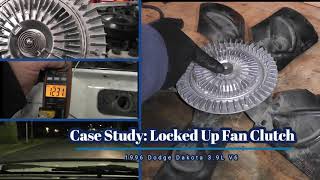
- Loud Roaring Noise: If the clutch seizes in the locked position, the fan will spin at full speed all the time. This creates a constant "jet engine" roar that gets louder as you accelerate. This also leads to reduced power and worse gas mileage.
- Fan Spins Too Freely: With the engine off and cool, give the fan blade a spin by hand. If it spins more than a couple of times with no resistance, the internal fluid has likely leaked out, and it can no longer engage.
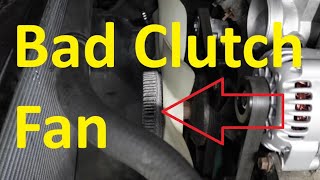
- Wobbly or Leaking Clutch: Check for excessive play by wiggling the fan blade (engine off). More than a quarter-inch of movement at the tip suggests a worn bearing. Also, look for oily streaks coming from the center of the clutch, which indicates a fluid leak. 🎬 Watch: How to test if your fan clutch has failed
A Note on Recalls and TSBs
Searches of NHTSA records and technical service bulletins (TSBs) did not show any specific recalls or widespread issues for the engine cooling fan clutch on the 2006-2011 Dodge Dakota. Problems with this part are typically due to normal aging and wear. There was a recall for a clutch interlock switch on manual transmission models, but this is an unrelated part.
Choosing the Right Aftermarket Fan Clutch
When replacing the fan clutch, you have a choice between OEM (Mopar) and aftermarket parts. While an OEM part is a reliable option, quality aftermarket brands can offer good performance for less money. For your Dakota, the key is choosing a reputable brand to avoid premature failure or excessive noise.
- Hayden: A well-known brand that offers standard, heavy-duty, and severe-duty options. They are a popular aftermarket choice for trucks and SUVs. Some users report good experiences, while others have had issues with units being too aggressive or failing early, so quality can sometimes be inconsistent.
- Four Seasons: Another major player in cooling and climate control parts. Forum discussions sometimes show mixed reviews, with some users preferring other brands. However, they are a widely available and generally acceptable replacement option.
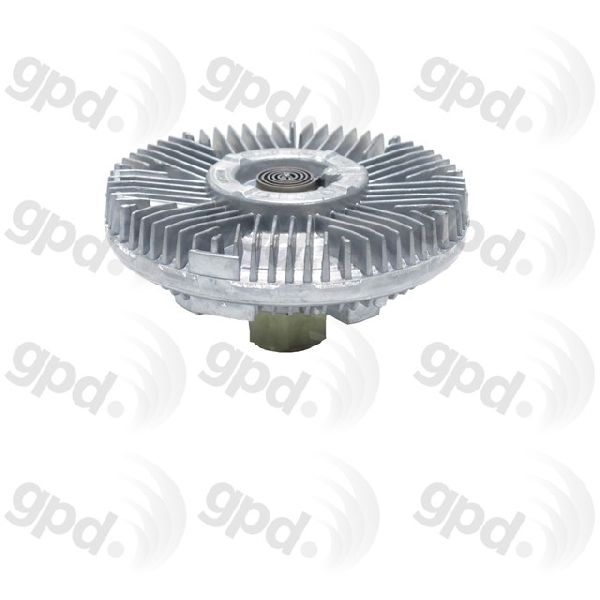
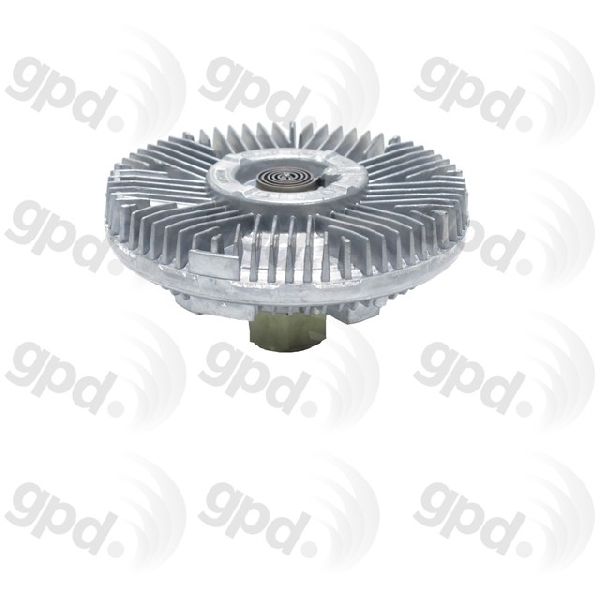
- Global Parts (GPD): Specializing in A/C and cooling systems, GPD is known for producing parts that meet or exceed original specifications. They are a solid choice for a direct-fit replacement.
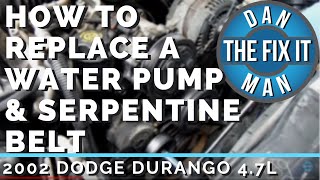
Pro Tip: Many mechanics recommend replacing the water pump at the same time as the fan clutch. These parts often have a similar service life, and since you have to remove the fan clutch to get to the water pump, replacing both at once can save you from doing the same job twice.
🎬 Watch: Complete guide to replacing the water pump and beltCost to Replace a Dodge Dakota Fan Clutch
The cost can vary based on the parts you choose and local labor rates. Below is an estimated breakdown.
| Part/Service | Estimated Cost |
|---|---|
| New OEM (Mopar) Part | $120 - $250 |
| New Aftermarket Part | $87 - $118 |
| Shop Labor | $100 - $170 |
| Total Professional Replacement | $187 - $388 |
Frequently Asked Questions (FAQ)
Can I drive my Dakota with a bad fan clutch?
It's not recommended. If the clutch has failed and won't engage, you risk severe engine overheating, especially in town, which can lead to catastrophic engine damage. If it's stuck engaged (roaring), you can drive it, but your fuel economy and performance will suffer.
Is replacing the fan clutch a DIY job?
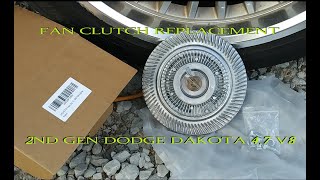
Yes, for a moderately skilled DIYer. The most difficult part is loosening the large nut that holds the clutch to the water pump, which often requires a special fan clutch wrench set (available for rent at most auto parts stores). The threading on many Dodge models is reverse-threaded, meaning you turn it clockwise to loosen. 🎬 See this walkthrough on removing the Dakota fan clutch However, some videos suggest the Dakota is standard (counter-clockwise to loosen), so it's best to confirm. Leaving the serpentine belt on can help hold the pulley still while you break the nut loose.
Will a bad fan clutch trigger the Check Engine Light?
It can, but not always directly. The 2006-2011 Dakota uses a non-electronic thermal clutch, so it doesn't have its own sensor. However, if the failing clutch causes the engine to overheat, that can trigger the Check Engine Light. On some vehicles, codes like P0480 or P0483 can be related to fan performance, but these are more common on electronically controlled fans.
What's the difference between a standard and heavy-duty fan clutch?
A heavy-duty or severe-duty clutch is designed to engage sooner and more aggressively, providing more cooling. This is a good option if you frequently tow or live in a very hot climate. The trade-off can be slightly more fan noise when it engages.
Helpful Videos
Technical Specifications
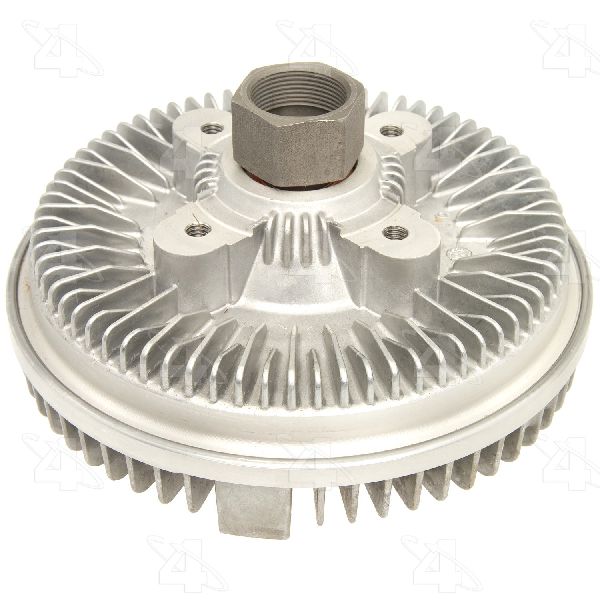
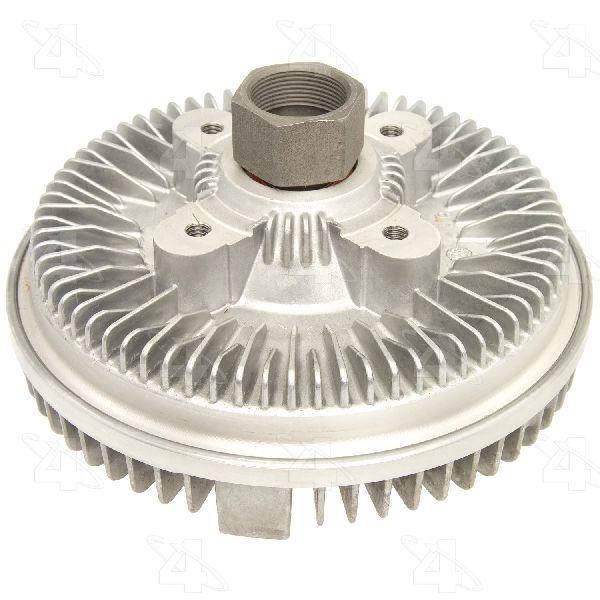
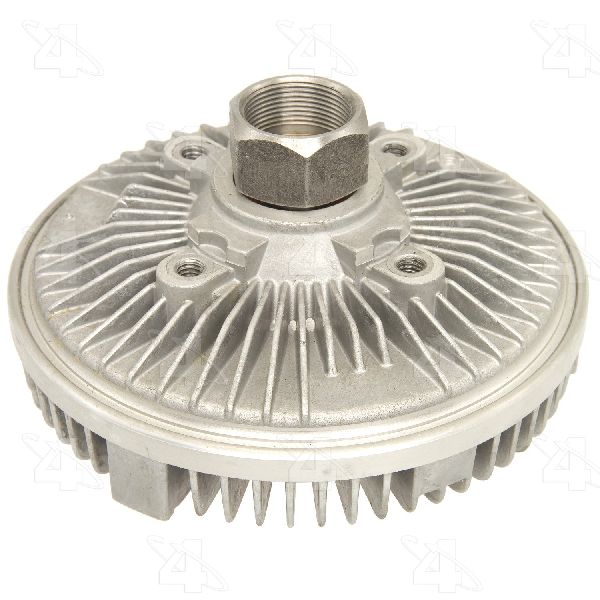
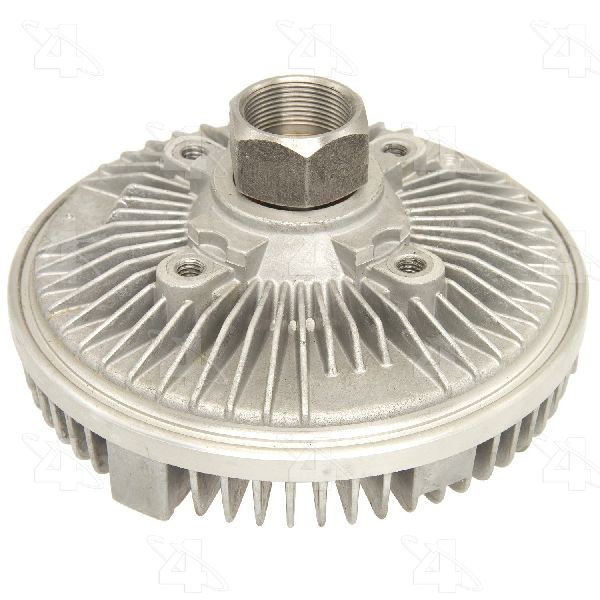
This vehicle uses a non-electronic, thermal, reverse-rotation fan clutch for both the 3.7L V6 and 4.7L V8 engines. Always verify the part with your specific vehicle's VIN.
We Have This Part in Stock

The information in this article is provided for general reference and educational purposes only. Vehicle specifications, procedures, and part compatibility can vary by production date, trim level, and region. Always consult your vehicle's factory service manual and verify part numbers before purchasing or performing repairs. Safety-critical components such as airbags, seat belts, and braking systems should be installed by a qualified professional.
- Dodge Dakota: