

Ford E-350 Super Duty Engine Temperature Sensor Guide for 2006-2011 Models
Solve temperature gauge problems on your 5.4L, 6.8L, or 6.0L diesel E-350 van by choosing the right sensor.
- Gas engines (5.4L/6.8L) use a Cylinder Head Temperature (CHT) sensor, not a traditional coolant sensor, for computer readings.
- Common failure symptoms include a check engine light, poor fuel economy, black smoke, and potential overheating.
- On gas engines, the sensor is located behind the alternator, which must be removed for access.
- Choosing a premium aftermarket (NGK, Standard) or OEM (Motorcraft) brand is recommended for reliability.
Understanding Your E-350's Temperature Sensor
When your 2006-2011 Ford E-350 Super Duty starts having temperature-related issues, the engine temperature sensor is a likely culprit. A failing sensor can cause a range of problems, from bad fuel economy to serious engine trouble. Before buying a replacement, it's important to know exactly what your van uses, as it differs between gas and diesel engines.
Critical Note: ECT vs. CHT Sensor on Gas Engines
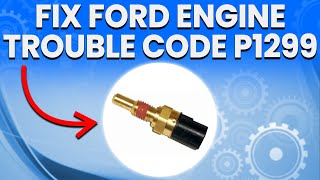
Ford E-350 vans with the 5.4L V8 or 6.8L V10 gasoline engines do not use a traditional Engine Coolant Temperature (ECT) sensor that sits in coolant. Instead, they use a Cylinder Head Temperature (CHT) sensor. This sensor screws directly into the metal of the cylinder head to measure its temperature. The engine's computer then uses the CHT reading to calculate what the coolant temperature should be. This is a common point of confusion, as parts are often sold as "Engine Coolant Temperature Sensors." For gas engines, you are almost always looking for the CHT sensor.
The 6.0L Power Stroke diesel engine is different. It uses both a traditional ECT sensor and an Engine Oil Temperature (EOT) sensor to monitor its health.
Symptoms of a Failing Temperature Sensor
When a CHT or ECT sensor goes bad, your van will usually let you know. Look out for these common signs:
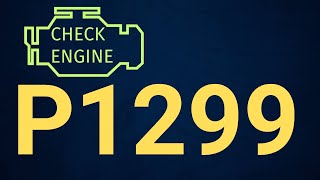
- Check Engine Light: This is often the first sign. You may see codes like P0117 (Circuit Low), P0118 (Circuit High), P0128 (Coolant Temperature Below Normal), or P1299 (Cylinder Head Over Temperature).
- Poor Fuel Economy: The computer may think the engine is always cold and inject too much fuel, hurting your MPG.
- Black Smoke from Exhaust: A rich fuel mixture from a bad sensor reading can cause black smoke, especially when you accelerate.
- Engine Overheating: If the sensor fails to report that the engine is hot, the cooling fans may not turn on when needed.
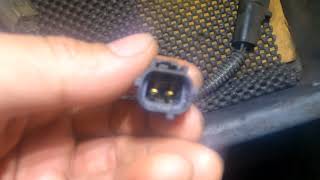
- Rough Idle and Hard Starts: An incorrect temperature reading leads to the wrong air-fuel mixture, making the engine run poorly. 🎬 See how a bad sensor causes hard starts and rough idling.
Choosing the Right Aftermarket Sensor
While a Motorcraft OEM sensor is always a safe bet, many aftermarket brands offer good quality and value. They can generally be grouped into tiers:
- Premium Brands (NGK, Standard Ignition): These companies are known for making high-quality sensors that often meet or exceed OEM standards. They are a reliable choice for this critical part.
- Standard Brands (Four Seasons, Stant, Holstein): These are well-known aftermarket brands that provide a good balance of quality and price for daily use.
- Economy Brands (Global Parts, True Tech): These are typically the most budget-friendly options. While they can work, their long-term reliability might not match that of premium brands.
Pro Tip: For a sensor that directly impacts engine performance and health, spending a little more on a premium aftermarket or OEM brand can prevent future headaches and ensure accurate readings.
Typical Replacement Costs
The cost to replace the temperature sensor depends on your engine and whether you do it yourself or use a shop.
| Part/Service | Estimated Cost |
|---|---|
| New OEM (Motorcraft) Part | $45 - $90 |
| New Aftermarket Part | $12 - $58 |
| Shop Labor | $120 - $250 |
Cost estimates are approximate and can vary by location and specific vehicle configuration.
Frequently Asked Questions (FAQ)
Where is the temperature sensor located on the E-350?
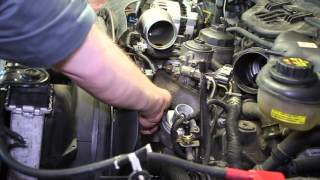
For 5.4L and 6.8L gas engines, the CHT sensor is located on the driver's side cylinder head, underneath the intake manifold and behind the alternator. You must remove the alternator to access it. 🎬 Watch this walkthrough for replacing the CHT sensor on Ford V8s. For the 6.0L Power Stroke diesel, the ECT sensor is on the front of the engine near the thermostat housing.
🎬 Watch a guide on replacing the 6.0L Power Stroke ECT sensor.Is the CHT sensor the same as the ECT sensor?
No. The CHT sensor measures the temperature of the engine's metal head, while an ECT sensor measures the temperature of the coolant itself. On 2006-2011 E-350 gas engines, the computer relies on the CHT sensor reading to manage the engine. It's important to buy the correct part for your engine type.
Can I replace this sensor myself?
Yes, this is a DIY-feasible job for someone with mechanical experience. The main challenge on gas engines is removing the alternator to get access. The sensor itself just unscrews. For the diesel, access is generally easier. Always let the engine cool down completely before starting work.
What happens if I don't replace a bad temperature sensor?
Ignoring a bad sensor can lead to persistently poor fuel economy, failed emissions tests, and a rough-running engine. The most serious risk is engine damage from overheating if the sensor fails to trigger the cooling fans.
Are there any recalls for this part?
As of early 2026, there are no specific NHTSA recalls or Technical Service Bulletins (TSBs) for the engine coolant or cylinder head temperature sensors on the 2006-2011 Ford E-350 Super Duty.
Helpful Videos


Technical Specifications
OEM Part Numbers: 3F1Z-12A648-A 3C3Z10884AA SW6052
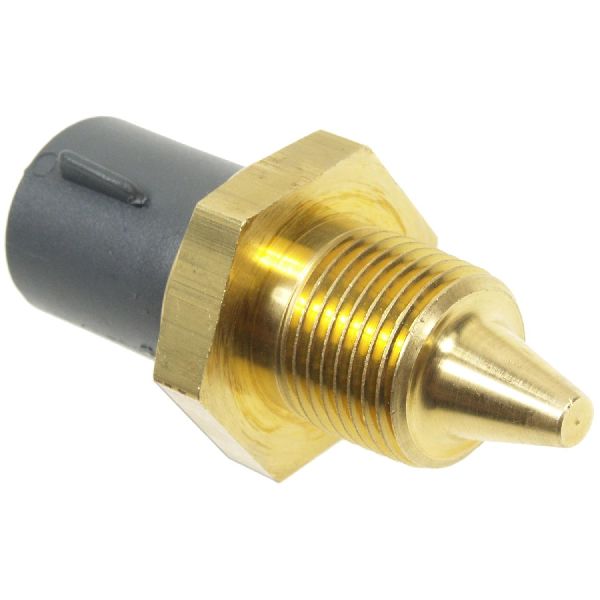
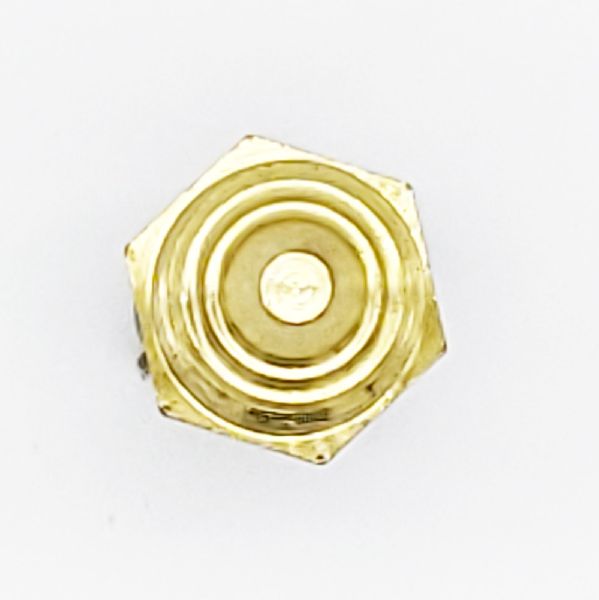
For gasoline V8/V10 engines, this is a Cylinder Head Temperature (CHT) sensor. For 6.0L diesel engines, this is an Engine Coolant Temperature (ECT) sensor. The sensor is a thermistor, meaning its electrical resistance changes with temperature.
We Have This Part in Stock



The information in this article is provided for general reference and educational purposes only. Vehicle specifications, procedures, and part compatibility can vary by production date, trim level, and region. Always consult your vehicle's factory service manual and verify part numbers before purchasing or performing repairs. Safety-critical components such as airbags, seat belts, and braking systems should be installed by a qualified professional.
- Ford E-350 Super Duty: