

Ford Expedition Engine Cylinder Head Temperature Sensor Guide (2006-2011)
Is your Expedition's temperature gauge acting up? Here’s what you need to know about its unique CHT sensor.
- Your Expedition uses a CHT sensor that reads head temperature, not a coolant sensor.
- A failure can trigger a 'limp mode' (Code P1299) that severely cuts engine power.
- Replacement is difficult due to its location under the intake manifold; a common shortcut is to remove the alternator for access.
- Due to the high labor involved, using a higher-quality OEM (Motorcraft) sensor is strongly recommended to avoid repeat repairs.
Understanding the CHT Sensor in Your Expedition
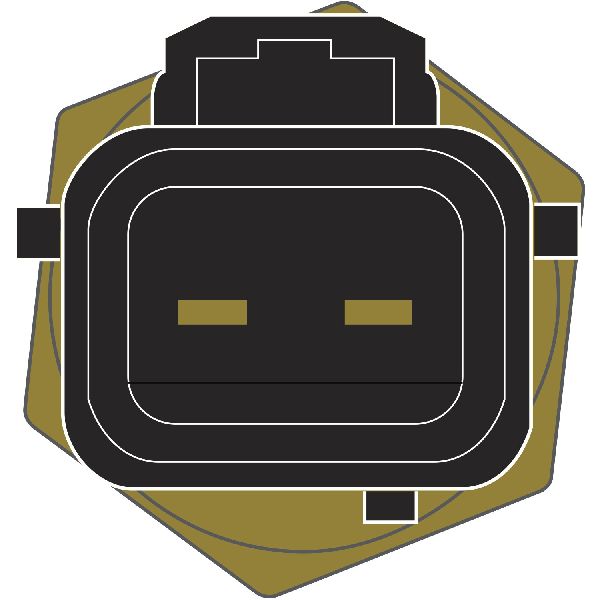
If you're looking for the Engine Coolant Temperature (ECT) sensor on your 2006-2011 Ford Expedition, you won't find one. Ford's 5.4L 3V Triton engine uses a more direct method: the Cylinder Head Temperature (CHT) sensor. This small but critical sensor reads the actual temperature of the engine's metal. The Powertrain Control Module (PCM), your truck's main computer, uses this reading to manage engine performance and protect it from overheating. If the CHT sensor detects dangerously high temperatures, it will trigger a 'fail-safe' cooling mode to prevent catastrophic damage. This mode can involve shutting off fuel injectors to some cylinders, turning them into air pumps to help cool things down.
Symptoms of a Failing CHT Sensor
A bad CHT sensor can cause a range of confusing problems. Because the PCM relies on it for critical data, a faulty signal can make the engine behave erratically. The most common signs include a check engine light, an inaccurate temperature gauge, and poor engine performance.
P1299 Code: A Critical Warning
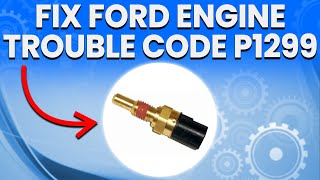
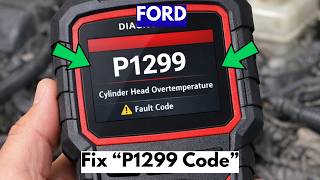
If you get a P1299 trouble code, your truck is telling you the CHT sensor has detected an overheating condition and the fail-safe cooling strategy is active. This severely limits engine power. 🎬 See how to diagnose and fix the P1299 overtemperature message. While the system is designed to let you limp to a safe location, you should not continue to drive the vehicle. The cause could be a bad sensor or a genuine cooling system failure.
Choosing the Right Aftermarket CHT Sensor
When a part is difficult to access, you want to replace it with a quality component you can trust. For critical engine sensors on a Ford, many experienced mechanics and owners recommend using the OEM Motorcraft part to avoid repeat failures. Aftermarket sensors can sometimes provide inaccurate readings or fail early, forcing you to do the job all over again. However, if you opt for an aftermarket part, they generally fall into a few tiers.
- Professional Grade (e.g., Standard Ignition): Brands like Standard Motor Products (SMP) are well-known in the professional repair world. They are often considered the top tier of aftermarket parts, though some owner reviews still suggest OEM is more reliable for this specific sensor.
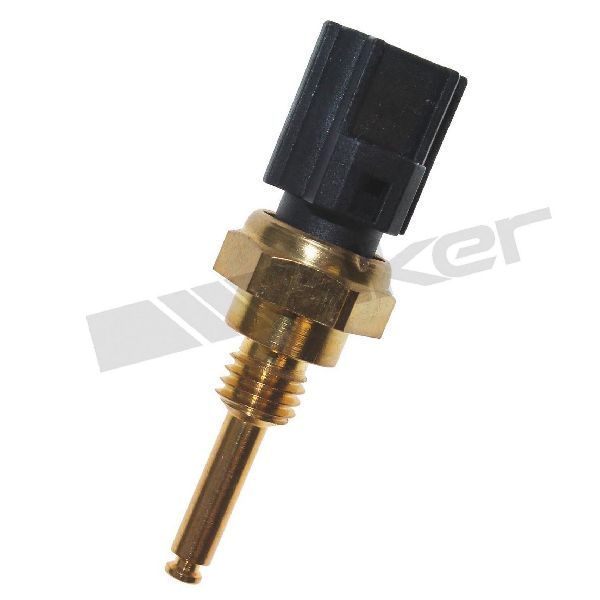
- Standard Replacement (e.g., Walker Products): Walker is another established aftermarket brand that produces a wide range of sensors. These are typically solid, budget-friendly alternatives to OEM for many applications.
- Economy (e.g., Global Parts, store brands): These are the most affordable options. While tempting, the lower price may reflect a compromise in materials or quality control. Given the difficult installation, this tier presents the highest risk of premature failure.
Cost to Replace the CHT Sensor
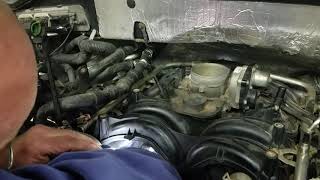
The cost can vary dramatically based on the mechanic's replacement method. The sensor is buried under the intake manifold. Removing the manifold is labor-intensive and expensive. However, a common shortcut involves removing the alternator for access 🎬 Watch this video to see the alternator shortcut method in action., which significantly cuts down on labor time. Be sure to discuss the method with your shop beforehand.
| Part/Service | Estimated Cost |
|---|---|
| New Aftermarket Sensor | $21 - $28 |
| New OEM (Motorcraft) Sensor | $25 - $40 |
| Shop Labor (Shortcut Method) | $175 - $350 |
| Shop Labor (Intake Removal) | $600 - $1100+ |
| Total (DIY) | $21 - $40 |
| Total (Professional, Shortcut) | $196 - $390 |
Frequently Asked Questions
Where is the CHT sensor located on the 2006-2011 Expedition?
It is threaded into the driver's side cylinder head, underneath the intake manifold, near the front of the engine. Access is tight, and either the alternator or the entire intake manifold must be moved to reach it.
Can I replace this sensor myself?
If you are an experienced DIY mechanic with a good set of tools, including a flexible-head ratcheting wrench 🎬 Watch a complete walkthrough of the CHT sensor replacement process. (19mm is often cited), you can likely do this job by removing the alternator. It is not recommended for beginners due to the tight access and potential for frustration.
Are there any recalls for the Expedition CHT sensor?
No. As of early 2026, there are no specific recalls or technical service bulletins (TSBs) from Ford or the NHTSA for the CHT sensor on the 2006-2011 Ford Expedition.
What happens if I ignore a bad CHT sensor?
Ignoring it can lead to poor fuel economy, stalling, a no-start condition, or even actual engine overheating if the cooling fans aren't activated correctly. If the sensor fails completely, the engine computer may default to a fail-safe mode that severely limits performance.
Helpful Videos

Technical Specifications
OEM Part Numbers: 8L3Z-6G004-A F65Z-6G004-AB 9L8Z-6G004-C
Location: Driver's side cylinder head, under intake manifold. Common tools: 19mm flexible head ratcheting wrench, socket set.
We Have This Part in Stock


The information in this article is provided for general reference and educational purposes only. Vehicle specifications, procedures, and part compatibility can vary by production date, trim level, and region. Always consult your vehicle's factory service manual and verify part numbers before purchasing or performing repairs. Safety-critical components such as airbags, seat belts, and braking systems should be installed by a qualified professional.
- Ford Expedition: