

Engine Coolant Thermostat Guide for the 2006-2011 Ford Mustang
Keep your Mustang's engine temperature in check by understanding when and how to replace a failing thermostat.
- The plastic thermostat housing on 2006-2011 Mustangs is a common failure point; inspect it carefully and consider replacing it with the thermostat.
- For most owners, a standard OEM-temperature (190-192°F) thermostat is the best choice for reliability and engine efficiency.
- Symptoms of failure include overheating, the engine running too cool (P0128 code), an erratic temperature gauge, and poor cabin heat.
- This is a DIY-friendly job for those with basic tools, typically taking 1-2 hours to complete.
Is Your Mustang's Thermostat Failing?


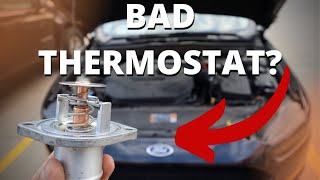
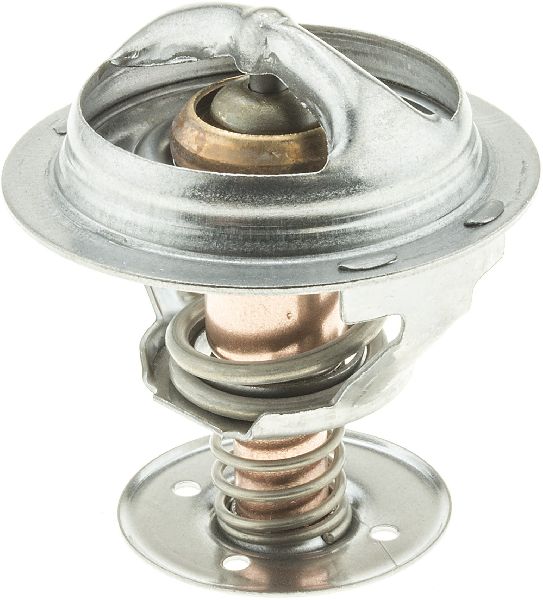
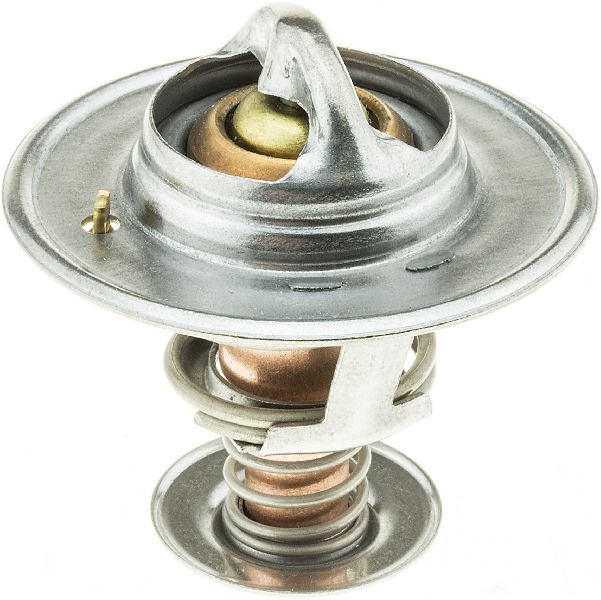
A thermostat is a critical wear item. When it fails, it can get stuck in two ways: stuck closed or stuck open. A stuck-closed thermostat is the most dangerous, as it prevents coolant from reaching the radiator, leading to rapid engine overheating and potential for severe damage like warped cylinder heads. A thermostat stuck open is less critical but still causes problems. It allows coolant to circulate constantly, preventing the engine from reaching its proper operating temperature. This can trigger a check engine light (often with code P0128), reduce fuel efficiency, and cause poor heater performance in cold weather.
🎬 See this breakdown of common symptoms of a bad thermostatWatch for a Cracked Thermostat Housing
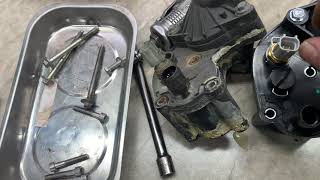
For this generation of Mustang, particularly the 4.0L V6 models, the original thermostat housing is made of plastic and is a known failure point. It can become brittle over time, leading to cracks and significant coolant leaks. Many owners opt to replace the entire housing assembly along with the thermostat 🎬 Watch: Step-by-step guide to replacing the V6 thermostat housing, and some aftermarket versions are re-engineered to be more durable than the original. When you replace your thermostat, it is essential to inspect the housing for any signs of cracking, warping, or leaking.
Choosing the Right Aftermarket Thermostat

When shopping for a new thermostat for your Mustang, you have several good options that balance cost and quality.
- OEM-Equivalent Brands (Motorad, Gates, Calorstat): These brands are designed to be direct replacements for the factory part. They are built to meet or exceed original equipment (OE) specifications and are a reliable and affordable choice for daily drivers. They will have the same temperature rating as the stock thermostat, ensuring your Mustang's engine operates exactly as Ford intended.
- OEM Brand (Motorcraft): Motorcraft is Ford's own parts brand. Choosing a Motorcraft thermostat guarantees a perfect fit and the correct factory-specified opening temperature (around 192°F for the GT). It's the benchmark for performance and quality, though often at a slightly higher price than other aftermarket options.
- Performance Brands (Mishimoto): Brands like Mishimoto offer "racing" or low-temperature thermostats that open earlier (e.g., at 160°F instead of 190°F). The goal is to start the cooling process sooner, which can be beneficial for highly modified or track-driven cars to prevent overheating. However, for a stock or daily-driven Mustang, a low-temp thermostat can prevent the engine from reaching its optimal operating temperature, potentially hurting fuel economy and performance, and may even trigger a check engine light. Owner reviews on these are mixed, with some seeing no benefit on a street car.
Should You Use a Low-Temp Thermostat?
For most 2006-2011 Mustang owners, the answer is no. Stick with an OEM-temperature thermostat (around 190-192°F). The engine is designed to run in this temperature range for maximum efficiency and longevity. A low-temp thermostat is best reserved for vehicles with significant performance upgrades or those that see frequent track use.
Estimated Replacement Costs
The cost to replace a thermostat can vary. The part itself is inexpensive, but labor can add up, especially if the entire housing needs to be replaced.
| Part Type | Estimated Cost |
|---|---|
| New Aftermarket Thermostat | $12.49 - $71.54 |
| New OEM (Motorcraft) Thermostat | $40 - $70 |
| Shop Labor | $125 - $185 |
| Total Professional Job | $165 - $255+ |
Note: Costs are estimates and can vary by location and the specific parts chosen. Some estimates place the total job higher, especially if the full housing assembly is replaced.
Frequently Asked Questions

Should I replace the thermostat housing at the same time?
For the 2006-2011 Mustang, especially the V6 model, it is highly recommended. The original plastic housings are prone to cracking and leaking. Replacing the housing with the thermostat is good preventative maintenance and can save you from a future coolant leak. Many aftermarket kits include the housing, thermostat, and new gaskets.
What temperature thermostat is best for my Mustang?
For a stock or lightly modified Mustang, a thermostat with the factory temperature rating (around 190-192°F) is best. Low-temperature thermostats (160°F-180°F) are generally only recommended for heavily modified or racing applications.
Is replacing the thermostat a good DIY job?
Yes, for many owners with basic mechanical skills, this is a very manageable DIY project. It typically involves draining some coolant, removing the air intake tube for access, unbolting the thermostat housing, swapping the part, and then refilling and bleeding the cooling system. The difficulty is generally considered low to moderate.
Why is my heater blowing cold air after replacing the thermostat?
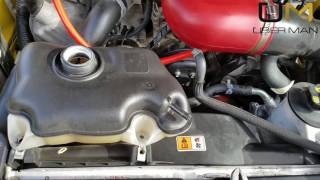
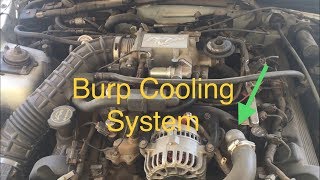
If your heater blows cold after this job, you likely have air trapped in the cooling system, specifically in the heater core. The system needs to be properly "burped" to remove all air pockets. This usually involves running the engine with the radiator cap off and the heater on high until the thermostat opens and all air escapes.
🎬 Watch: How to properly burp air from your Mustang's cooling systemHelpful Videos
Technical Specifications
OEM Part Numbers: 5R3Z-8592-BA 7L3Z-8575-E BR3Z-8575-G BC3Z-8575-E 2L2Z8592BA
Standard opening temperature: Approx. 190-192°F (88-89°C) for GT models, 190°F for V6 models. Low-temperature performance options are available at 160°F or 180°F.
We Have This Part in Stock


The information in this article is provided for general reference and educational purposes only. Vehicle specifications, procedures, and part compatibility can vary by production date, trim level, and region. Always consult your vehicle's factory service manual and verify part numbers before purchasing or performing repairs. Safety-critical components such as airbags, seat belts, and braking systems should be installed by a qualified professional.
- Ford Mustang: