

Engine Intake Manifold Gasket Set for the 2006-2011 Kia Optima
Fixing rough idles and lean codes on your Optima often starts with replacing a bad intake manifold gasket.
- A failing intake manifold gasket is a common cause of vacuum leaks, rough idle, and lean codes (P0171/P0174) on the 2006-2011 Optima.
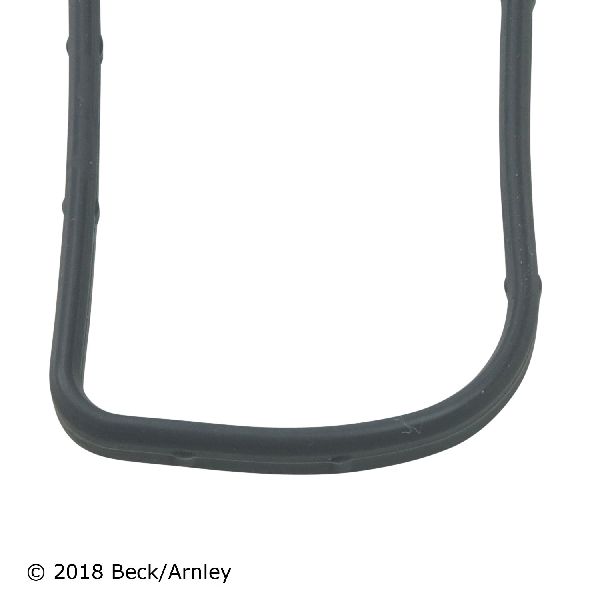
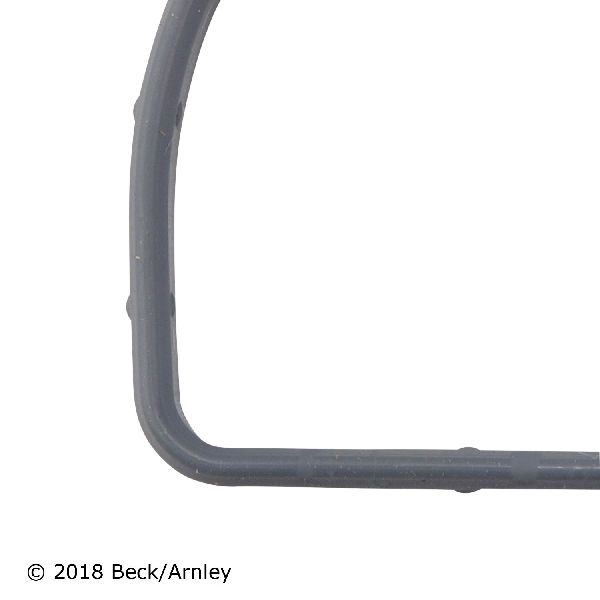
- Quality aftermarket gaskets from brands like Beck Arnley or Victor Reinz are a cost-effective alternative to OEM parts for this repair.
- On the 2.7L V6, remember to replace both the upper plenum and lower intake gaskets if you are performing a full service.
- While replacing the gasket, carefully inspect the plastic intake manifold for cracks, as it can also be the source of the leak.
Is Your Optima Running Rough? It Could Be the Intake Gasket
If you own a 2006-2011 Kia Optima, whether with the 2.4L four-cylinder or the 2.7L V6, a faulty intake manifold gasket can cause some frustrating problems. This part is made of durable rubber or plastic designed to withstand high engine temperatures, but it can become brittle and crack over time. When it fails, it creates a vacuum leak, letting unmetered air into your engine. This throws off the air-fuel ratio and leads to noticeable symptoms.
Symptoms of a Failing Intake Manifold Gasket
A bad intake manifold gasket is one of the most common causes of vacuum leaks on the Optima. Watch out for these signs:
- Rough Idle: The engine may shake or sputter when stopped at a light.
- Check Engine Light: A vacuum leak will often trigger lean condition codes like P0171 🎬 Watch: Understanding common causes for the P0171 lean code (Bank 1) or P0174 (Bank 2 for V6).
- Hissing Sound: You might hear a distinct hissing or whistling noise from the engine bay as air is sucked through the broken gasket seal.
- Poor Acceleration: The car may feel sluggish or hesitate when you press the gas pedal.
- Reduced Fuel Economy: Your engine's computer tries to compensate for the extra air by adding more fuel, causing you to visit the gas pump more often.
No Specific Recalls, But A Known Issue
While there are no official recalls or Technical Service Bulletins (TSBs) from Kia or the NHTSA specifically for the intake manifold gasket on the 2006-2011 Optima, vacuum leaks from aging gaskets are a well-documented issue for this vehicle generation. The plastic intake manifold itself on the 2.4L engine can also become brittle and crack, causing similar symptoms. When replacing the gasket, it's wise to inspect the manifold itself for any damage.
Choosing the Right Aftermarket Gasket Set
For this repair, you don't necessarily need to pay dealership prices for an OEM gasket. Quality aftermarket brands provide excellent value and reliability. The brands available generally fall into these tiers:
- Premium Aftermarket (e.g., Beck Arnley, Victor Reinz): These brands are often considered OE-quality or very close. Beck Arnley is known for sometimes repackaging the original OEM part. Victor Reinz gaskets are well-regarded and known for being made of soft, pliable rubber that seals well.
- Standard Aftermarket (e.g., Apex): Brands like Apex offer a reliable, budget-friendly option. They are a common choice for everyday repairs and are known to be a decent alternative to more expensive brands.
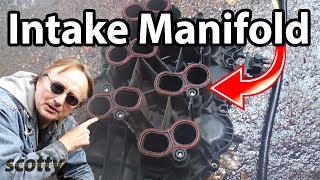
Pro Tip: For the 2.7L V6 engine, there are separate gaskets for the upper intake plenum (also called a surge tank) and the lower intake manifold. Make sure you order the complete set needed for your specific repair 🎬 See this walkthrough for removing the V6 intake manifold to avoid delays.
Cost of Replacing the Intake Manifold Gasket
The cost can vary based on your engine and local labor rates. The gasket set itself is inexpensive, but the labor to access and replace it makes up most of the cost.
| Part/Service | Estimated Cost |
|---|---|
| New Aftermarket Gasket Set | $4.52 - $49.16 |
| New OEM Gasket Set | $13 - $40 |
| Shop Labor | $182 - $268 |
| Total Professional Repair | $250 - $514+ |
Frequently Asked Questions
Is an OEM gasket better than aftermarket for my Optima?
For a simple part like an intake gasket, a quality aftermarket brand like Beck Arnley or Victor Reinz offers comparable performance to OEM for less money. The key is proper installation and surface preparation, not necessarily the brand name.
What happens if I don't replace a leaking intake gasket?
Ignoring it can lead to persistent engine performance issues like stalling, poor fuel economy, and rough running. In the long term, running a lean air-fuel mixture can potentially cause damage to internal engine components, leading to more expensive repairs.
Can I do this repair myself?
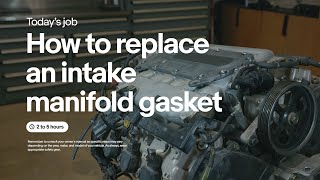
Yes, this is a feasible DIY job for someone with moderate mechanical experience. The 2.4L engine is simpler than the 2.7L V6, which requires removing the upper intake plenum to access the lower gaskets and rear valve cover. The most important steps are thoroughly cleaning the old gasket material off the cylinder head and intake manifold surfaces and labeling all hoses and connectors 🎬 Watch: A step-by-step guide to replacing your intake gasket you disconnect.
How do I know if it's the gasket or the plastic intake manifold that's leaking?
A mechanic can perform a smoke test, which forces smoke into the intake system to reveal the exact source of a leak. If you are doing the repair yourself, once the manifold is removed, you should carefully inspect it for any cracks, especially around the bolt holes and seams. If the manifold is cracked, it must be replaced, as a new gasket will not fix the leak.
Helpful Videos



Technical Specifications
OEM Part Numbers: 28411-2G000 28411-25002 29215-3E100 29215-3E000
The 2006-2011 Kia Optima used two primary engines: the 2.4L 'Theta II' inline-four and the 2.7L 'Mu' V6. The 2.4L engine uses a single intake manifold gasket. The 2.7L V6 uses a two-piece intake system requiring an upper 'plenum' or 'surge tank' gasket and a set of lower intake manifold gaskets.
We Have This Part in Stock


The information in this article is provided for general reference and educational purposes only. Vehicle specifications, procedures, and part compatibility can vary by production date, trim level, and region. Always consult your vehicle's factory service manual and verify part numbers before purchasing or performing repairs. Safety-critical components such as airbags, seat belts, and braking systems should be installed by a qualified professional.
- Kia Optima:
- 🎬 Helpful Videos
- 🛍️ Shop This Part
- Is Your Optima Running Rough? It Could Be the Intake Gasket
- Symptoms of a Failing Intake Manifold Gasket
- No Specific Recalls, But A Known Issue
- Choosing the Right Aftermarket Gasket Set
- Cost of Replacing the Intake Manifold Gasket
- Frequently Asked Questions
- 🎟️ Get 5% Off