

A Guide to Replacing Ignition Coils on Your 2006-2011 Kia Optima
Understand the symptoms of a failing ignition coil and learn how to choose the right aftermarket replacement for your Optima.
- The replacement job is very easy on the 4-cylinder engine but much harder on the V6 due to the intake manifold.
- For reliability, choose premium aftermarket brands like NGK, Delphi, or Denso, which are often OEM suppliers.
- Always replace spark plugs at the same time as the ignition coils to prevent premature failure of the new parts.
- It is best practice to replace all coils at once, as they fail around the same time.
Is Your Kia Optima's Ignition Coil Failing?
A bad ignition coil isn't something you can ignore for long. When a coil starts to fail, it can't deliver the strong, consistent spark your engine needs. This leads to noticeable problems that affect how your car drives.
Common Symptoms of a Bad Coil:
- Engine Misfires: This is the most common sign. The engine may sputter, shake, or run roughly, especially when you're stopped at a light or driving at a steady speed. The car might feel like it's jerking or hesitating.
- Check Engine Light: A failing coil will almost always trigger the check engine light on your dashboard. A code scanner will likely show codes from P0300 to P0306, indicating a misfire in a specific cylinder. You might also see codes P0350-P0362, which point directly to a problem in the ignition coil circuit.
- Loss of Power: Your Optima may feel sluggish and have trouble accelerating. This happens because one or more cylinders aren't producing power correctly.
- Worse Gas Mileage: When a cylinder misfires, fuel is still being injected, but it isn't burned properly. This unburned fuel goes to waste, and you'll notice you're filling up your gas tank more often.
- Exhaust Issues: You might smell raw gasoline from the exhaust or see black smoke. In some cases, the unburned fuel can ignite in the hot exhaust system, causing a loud popping sound called a backfire.
Don't Ignore a Misfire
Driving with a bad ignition coil for too long can cause serious damage. Unburned fuel can overheat and destroy your catalytic converter, a very expensive part to replace.
Choosing the Right Aftermarket Ignition Coil
When you shop for a new ignition coil, you'll see many brands at different prices. The original OEM Kia coils are a safe bet, but high-quality aftermarket parts can offer the same performance for less money. Here’s how to understand your options.
Brand Quality Tiers
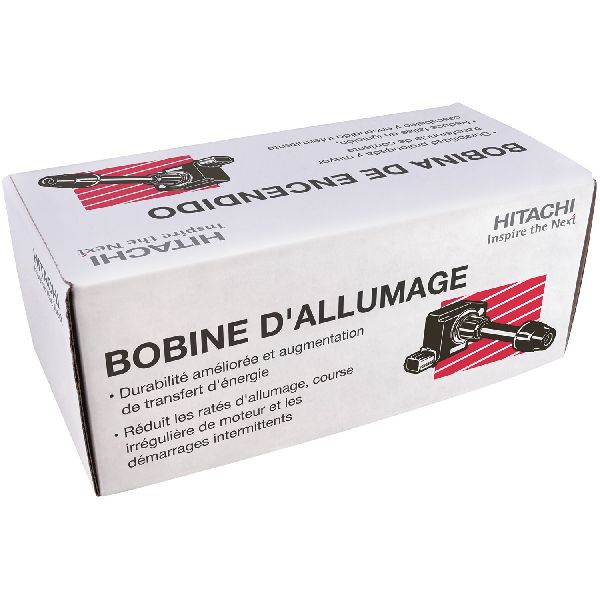
- Premium Brands (OEM Quality or Better): Brands like NGK, Delphi, Denso, and Hitachi are often the original equipment manufacturers for many car brands, including Kia. They are known for excellent quality, reliability, and fit. Choosing one of these brands is the closest you can get to buying an original part without the dealer price tag.
- Standard Aftermarket Brands: Brands such as Standard Motor Products (SMP) and Walker Products have a long history in the aftermarket. They are generally considered reliable, mid-range options. Forum users have had good experiences with them, but quality can sometimes be inconsistent compared to premium brands.
- Economy Brands: This category includes many store brands and lesser-known names like DriveWire, True Tech, and others. While the low price is tempting, be cautious. Some owners report these coils failing much sooner than OEM or premium aftermarket parts, leading to doing the job all over again.
Replace Spark Plugs at the Same Time
It is highly recommended to replace your spark plugs when you replace your ignition coils. Old, worn spark plugs can put extra strain on the new coils, causing them to fail prematurely. Since you already have everything apart, it's a smart and cost-effective step.
Cost of Replacing Ignition Coils on a 2006-2011 Kia Optima
The cost depends on your engine (4-cylinder or V6) and whether you do the work yourself or hire a mechanic.
| Item | Estimated Cost (Per Coil) |
|---|---|
| New OEM Part | $80 - $150 |
| New Aftermarket Part | $20 - $147 |
| Shop Labor (4-Cylinder) | $50 - $100 |
| Shop Labor (V6) | $150 - $300 (due to intake manifold removal) |
Frequently Asked Questions
Should I replace all the ignition coils at once?
Yes, it's a good idea. Ignition coils are all the same age and have been exposed to the same conditions. If one has failed, the others are likely not far behind. Replacing them all at once saves you from future breakdowns and repeated repair jobs.
Is it hard to replace the ignition coils myself?
It depends on your engine. On the 2.4L 4-cylinder, the job is very easy and perfect for a beginner. The coils are right on top of the engine and held by a single bolt. On the 2.7L V6, the three front coils are easy, but the three rear coils are located under the upper intake manifold. This manifold must be removed to access them, making the job much more difficult for a DIYer.
Are there any recalls for the 2006-2011 Optima ignition coils?
No. Searches of the National Highway Traffic Safety Administration (NHTSA) database show no safety recalls or technical service bulletins (TSBs) specifically for ignition coil failure on the 2006-2011 Kia Optima.
What is the difference between an ignition coil for the 4-cylinder and V6 engine?
The parts themselves are different and have unique part numbers. The 2.4L I4 engine uses four identical coils. The 2.7L V6 engine uses six coils. Always confirm the part fits your specific engine before ordering.
Technical Specifications
OEM Part Numbers: 27300-2G000 27301-3C000
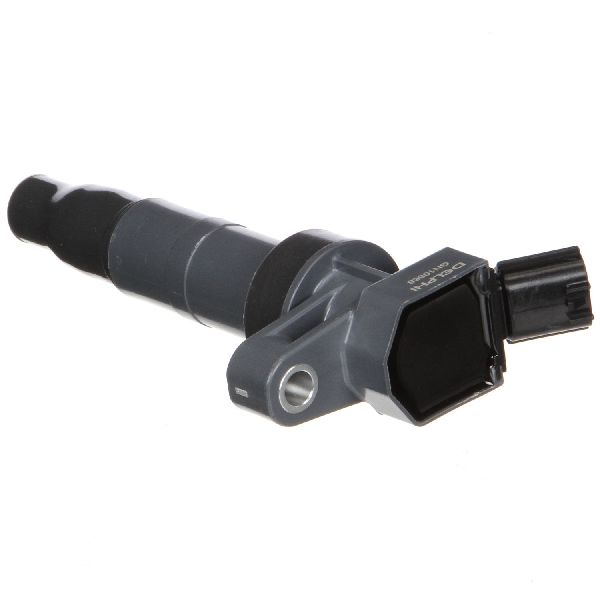
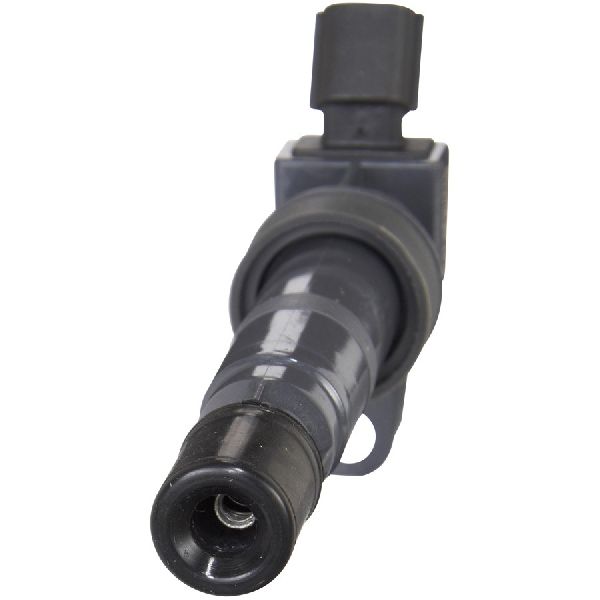
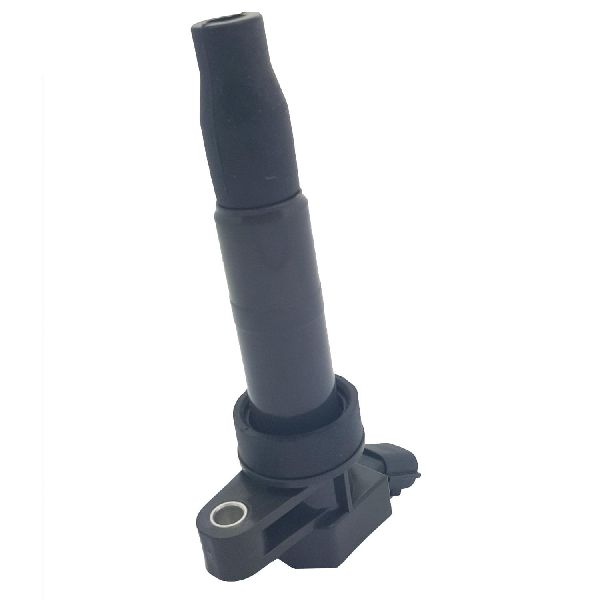
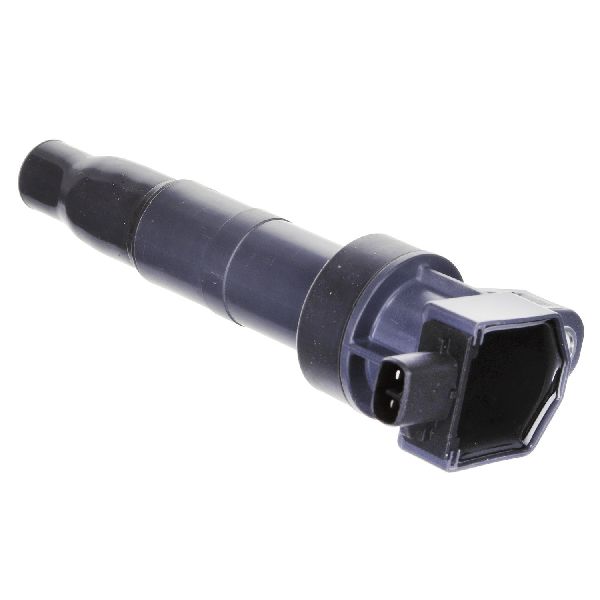
This vehicle uses a distributorless, Coil-on-Plug (COP) ignition system. The 2.4L I4 engine requires 4 coils. The 2.7L V6 engine requires 6 coils. The parts for the I4 and V6 engines are not interchangeable.
We Have This Part in Stock


The information in this article is provided for general reference and educational purposes only. Vehicle specifications, procedures, and part compatibility can vary by production date, trim level, and region. Always consult your vehicle's factory service manual and verify part numbers before purchasing or performing repairs. Safety-critical components such as airbags, seat belts, and braking systems should be installed by a qualified professional.
- Kia Optima:
- 🛍️ Shop This Part
- Is Your Kia Optima's Ignition Coil Failing?
- Common Symptoms of a Bad Coil:
- Don't Ignore a Misfire
- Choosing the Right Aftermarket Ignition Coil
- Brand Quality Tiers
- Replace Spark Plugs at the Same Time
- Cost of Replacing Ignition Coils on a 2006-2011 Kia Optima
- Frequently Asked Questions
- 🎟️ Get 5% Off