

A Home Mechanic's Guide to the 2006-2011 Mercedes-Benz B200 Camshaft Position Sensor
Diagnose and fix common starting and stalling issues by understanding this critical engine sensor in your B200.
- A bad camshaft sensor is a likely cause for a 2006-2011 B200 that cranks but won't start, stalls, or has a Check Engine Light with codes P0340 or P0341.
- For the petrol engine B200, replacement is a moderately easy DIY job, unlike the very difficult replacement on the B200 CDI diesel model.
- High-quality aftermarket brands like Bosch or NGK offer performance identical to OEM parts for a lower price.
- Driving with a faulty sensor is risky due to the potential for the engine to stall at any time.
Is Your B200 Stalling or Hard to Start?

A failing camshaft position sensor is a common reason for a range of frustrating engine problems on the Mercedes B200. Because this sensor is critical for engine timing, a bad signal can cause the engine's computer to become confused. This can lead to symptoms that appear suddenly and may get worse over time. Ignoring the signs can eventually leave you stranded with a car that won't start at all.
Symptoms of a Failing Camshaft Position Sensor

If your B200 has a bad camshaft position sensor, you will likely experience one or more of the following issues:
- Check Engine Light: This is often the first sign. A scan tool will usually show error codes P0340 or P0341. 🎬 Watch: Understanding what these P0340 and P0341 codes mean.
- Difficulty Starting: The engine may crank for a long time before it finally starts, or it may not start at all.
- Engine Stalling: The car might stall unexpectedly, either while idling at a stoplight or while driving. This can be a serious safety issue.
- Rough Idle: The engine may shake or vibrate more than usual when the car is stopped.
- Poor Acceleration: You might notice the car feels sluggish or lacks power when you press the gas pedal.
- Reduced Fuel Economy: When timing is off, the engine burns fuel less efficiently, meaning more trips to the gas station.
Choosing the Right Aftermarket Sensor

You do not need to buy a part from a Mercedes-Benz dealership to fix your car. Several reputable aftermarket brands offer quality replacement sensors that meet or exceed original specifications. When shopping, consider these tiers:
- Premium Aftermarket (OEM/OES Quality): Brands like Bosch and NGK (NTK) are often the original equipment suppliers for Mercedes-Benz. Choosing one of these brands is the closest you can get to the original part without the dealership price tag. They are highly recommended for fit and long-term reliability.
- Reputable Aftermarket: Brands such as Standard Ignition (SMP), Vemo, Holstein, and Walker Products are well-known in the industry. They produce reliable parts that are a good balance of quality and cost. These brands often market their parts as meeting OE fit and function and typically come with a good warranty.
- Economy Brands: Brands like Global Parts and True Tech fall into a more budget-friendly category. While they are the most affordable option, their long-term durability and sensor accuracy may not match the higher-tiered brands. They can be a viable option for a quick fix on a tight budget.
Pro Tip: Check for Oil Leaks
The camshaft position sensor is sealed with a small O-ring. Over time, this O-ring can harden and leak oil. When replacing the sensor, make sure the new part comes with a new O-ring and that the mounting surface on the engine is clean. Sometimes, an oil leak from a nearby component can also damage the sensor's wiring, so inspect the area carefully.
🎬 See how to troubleshoot and fix a P0341 circuit error.Replacement Cost
Replacing the camshaft position sensor is a common repair. The cost will depend on whether you do it yourself or have a professional mechanic do the work.
| Item | Estimated Cost |
|---|---|
| New OEM/Dealer Part | $80 - $150 |
| New Aftermarket Part | $22 - $48 |
| Shop Labor | $100 - $200 |
| Total Professional Replacement | $150 - $350 |
Cost estimates are based on national averages and may vary by location and shop.
Replacing the Sensor: A Note on Difficulty

For the petrol-engine 2006-2011 Mercedes-Benz B200 (with the M266 engine), the camshaft position sensor is located on the cylinder head. Replacement is considered a job of moderate difficulty for a DIYer. It typically involves removing the engine cover and possibly moving a few components to get access. The sensor itself is held in by a single E8 Torx bolt.
Warning: Petrol vs. Diesel Engines
Online videos may show the camshaft sensor replacement on a B200 CDI (diesel) model. On the diesel engine, this is a very difficult job that requires removing the turbocharger and other major components. 🎬 Watch: This walkthrough shows the complex diesel engine sensor replacement. This does NOT apply to the standard petrol engine found in most North American B200 models, where the job is much simpler.
Frequently Asked Questions
Where is the camshaft position sensor located on the B200?
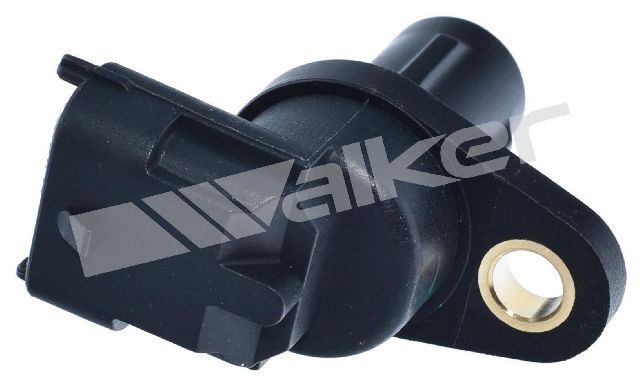
On the petrol B200, the sensor is located on the top or side of the engine, inserted into the cylinder head or valve cover. You will need to remove the plastic engine cover to see it. It is a small, black plastic sensor with an electrical connector and is held in place by a single bolt.
Can I drive my B200 with a bad camshaft position sensor?
It is not recommended. While the car may still run for a while, the risk of it stalling in traffic is high. Continued driving can also lead to poor fuel economy and potentially damage other components like the catalytic converter from unburned fuel.
What is the difference between a camshaft and crankshaft sensor?
They work together. The camshaft sensor tracks the position of the top half of the engine (valves), while the crankshaft sensor tracks the bottom half (pistons). The ECU needs both signals to be perfectly in sync. A failure in either sensor can cause similar symptoms, but the diagnostic trouble code will specify which one has a problem.
Is an OEM sensor better than aftermarket for my Mercedes-Benz?
Not necessarily. A high-quality aftermarket sensor from a reputable OEM supplier like Bosch or NGK will perform identically to the genuine Mercedes part. For a critical sensor like this, it is wise to avoid the cheapest, no-name options and stick with a brand known for quality to avoid having to do the job twice.
Helpful Videos


Technical Specifications
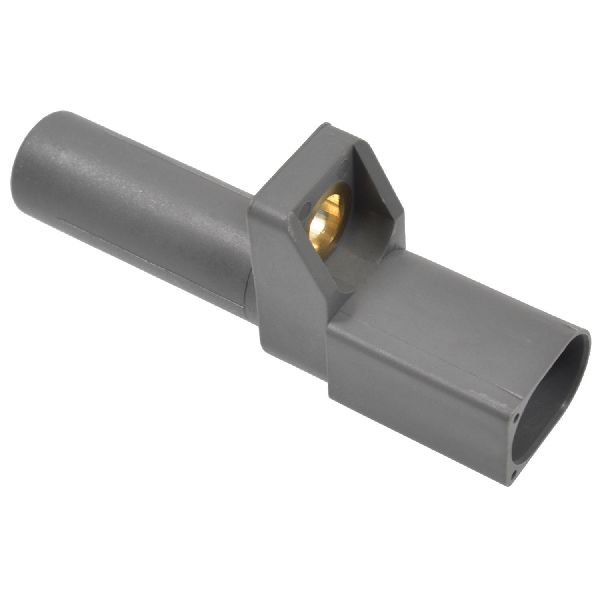
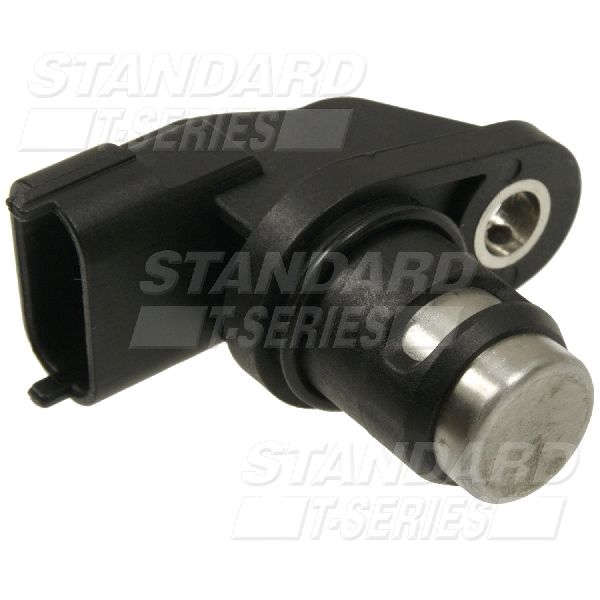
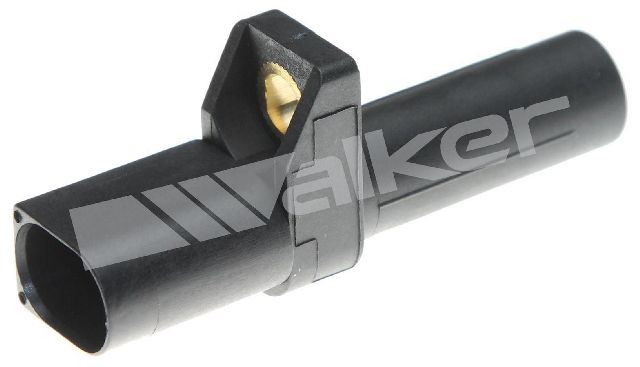
Typically a Hall-effect sensor with a 3-pin oval connector, held by a single bolt. Includes an O-ring for sealing.
We Have This Part in Stock


The information in this article is provided for general reference and educational purposes only. Vehicle specifications, procedures, and part compatibility can vary by production date, trim level, and region. Always consult your vehicle's factory service manual and verify part numbers before purchasing or performing repairs. Safety-critical components such as airbags, seat belts, and braking systems should be installed by a qualified professional.
- Mercedes-Benz B200:
- 🎬 Helpful Videos
- 🛍️ Shop This Part
- Is Your B200 Stalling or Hard to Start?
- Symptoms of a Failing Camshaft Position Sensor
- Choosing the Right Aftermarket Sensor
- Pro Tip: Check for Oil Leaks
- Replacement Cost
- Replacing the Sensor: A Note on Difficulty
- Warning: Petrol vs. Diesel Engines
- Frequently Asked Questions
- 🎟️ Get 5% Off