

Mercedes-Benz B200 Crankshaft Position Sensor: A Guide for 2006-2011 Models
If your B200 is stalling or won't start, the crankshaft position sensor is a likely culprit.
- A failing crankshaft sensor is a critical issue that can cause your B200 to stall in traffic or not start at all.
- The most common symptom is a P0335 Check Engine Light code, often accompanied by stalling or a crank-no-start condition.
- Replacement is difficult due to the sensor's tight location at the back of the engine, not the complexity of the job itself.
- For this part, it is highly recommended to use a quality OEM-supplier brand like Bosch, as it is both reliable and affordable.
Is Your B200 Stalling or Refusing to Start?

A failing crankshaft position sensor is a very common reason for a Mercedes-Benz B200 to develop serious running issues. Because this sensor's job is so important for engine timing, a bad signal can confuse the engine's computer, leading to problems that can appear suddenly. One of the most reported issues is the engine cranking but not starting, or stalling unexpectedly while driving. This can be a major safety concern, especially if it happens in traffic. Ignoring the symptoms will likely lead to a point where the car won't start at all, leaving you stranded.
Heat is the Enemy
The crankshaft position sensor is located in a hot area at the back of the engine. Over time, this constant exposure to high temperatures can cause the electronics inside the sensor to fail. Damage can also occur from oil leaks or problems with the wiring.
Choosing the Right Aftermarket Sensor

When replacing a critical sensor like this, quality matters. While saving money is tempting, a cheap, unreliable sensor can fail quickly, putting you right back where you started. For a German vehicle like your B200, the difference between an OEM-quality part and a budget part can be significant.
- Premium / OE-Equivalent Brands (Recommended): Brands like NGK and Standard Ignition have a strong reputation for producing reliable sensors. The original sensor for many Mercedes vehicles of this era was made by Bosch. If you can find a Bosch replacement, it is often identical to the genuine Mercedes part but at a much lower cost.
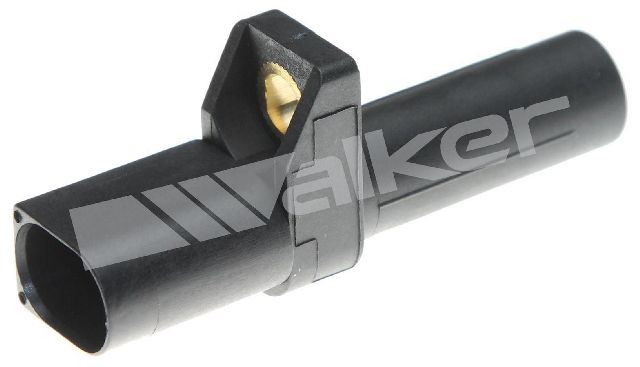
- Standard Aftermarket Brands: Brands such as Dorman, Holstein, and Walker Products are widely available. They can be a cost-effective option, but their long-term reliability may not match that of an OE-supplier brand.
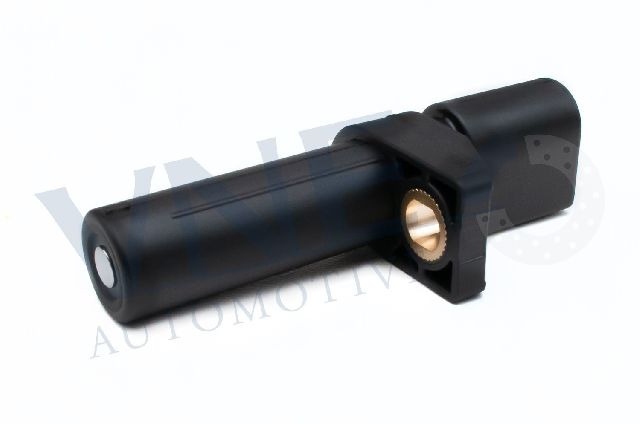
- Budget Brands: Brands like Vemo have mixed reviews; some users report success while others report premature failure. For a part this critical, it is wise to be cautious with lesser-known or budget-focused brands like Prenco, True Tech, and VNE. Given that the high-quality Bosch sensor is affordably priced, saving a few dollars on a budget brand is a significant risk.
| Part Type | Estimated Cost |
|---|---|
| New Aftermarket Part | $35 - $79 |
| New OEM Part (Dealer) | $70 - $120 |
| Shop Labor | $120 - $250 |
| Total Professional Replacement | $155 - $329 |
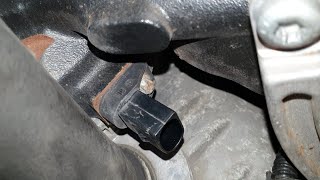
Pro Tip: The replacement requires an E8 external Torx socket. The sensor is located in a very tight space at the back of the engine where it meets the transmission, making access difficult. While the job is simple—unplug one connector, undo one bolt—reaching it is the main challenge.
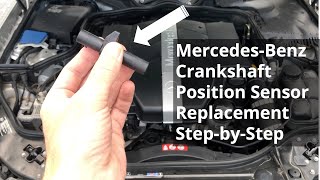
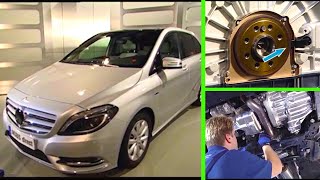
🎬 Watch this step-by-step guide for helpful tips and tricks.Frequently Asked Questions (FAQ)

Where is the crankshaft sensor located on my 2006-2011 B200?
It is located at the rear of the engine on the driver's side, down near the bell housing where the engine and transmission connect. You will likely need to remove the air filter housing to see and access it from the top.
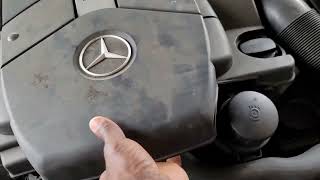
🎬 See how to easily locate and change the sensor.Is there a recall on this part for my B200?
No. While Mercedes-Benz did issue a recall for crankshaft position sensors on some 2006-2008 models, it was for vehicles with diesel engines and did not include the petrol-engine B200 sold in the North American market. There are no known recalls or specific Technical Service Bulletins (TSBs) for this part on the 2006-2011 B200.
Can I replace the crankshaft sensor myself?
Yes, if you are comfortable working in tight spaces. The replacement itself is simple: unplug the electrical connector and remove a single E8 Torx bolt. However, access is very limited. Some owners report success by reaching down from the top of the engine, while others may find it easier from underneath the vehicle. Patience and a good set of socket extensions are key.
What's the difference between a crankshaft and camshaft sensor?
They work together. The crankshaft sensor tracks the rotation of the engine's bottom end, while the camshaft sensor tracks the top end. The computer compares both signals to control timing. While their symptoms can be similar, a diagnostic scan tool can usually tell you which specific sensor has failed. A P0335 code points to the crankshaft sensor.
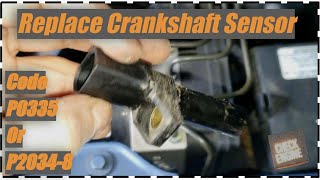
🎬 Watch how to clear P0335 codes after your repair.Helpful Videos
Technical Specifications
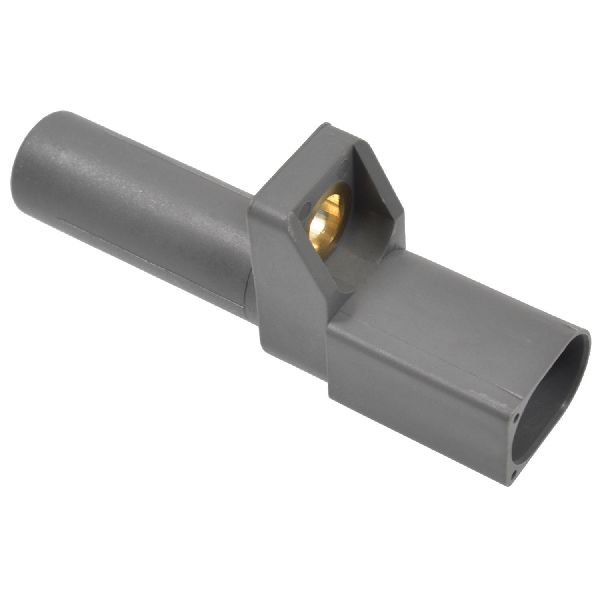
OEM Part Numbers: 0031532828 A0031532828 0031532728 A0031532728
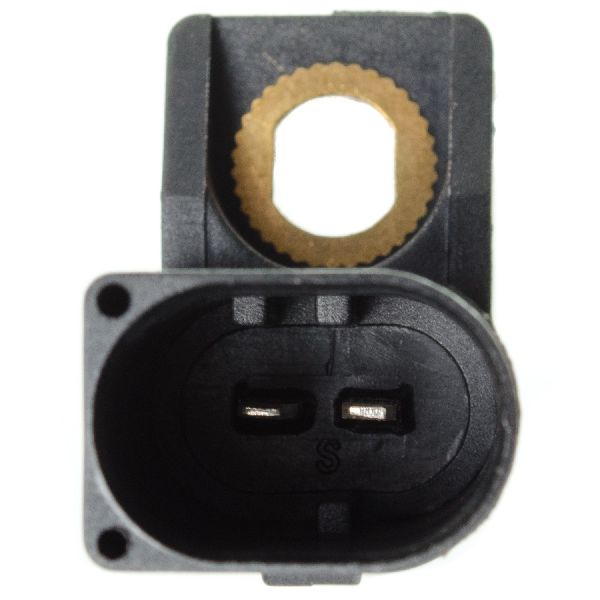
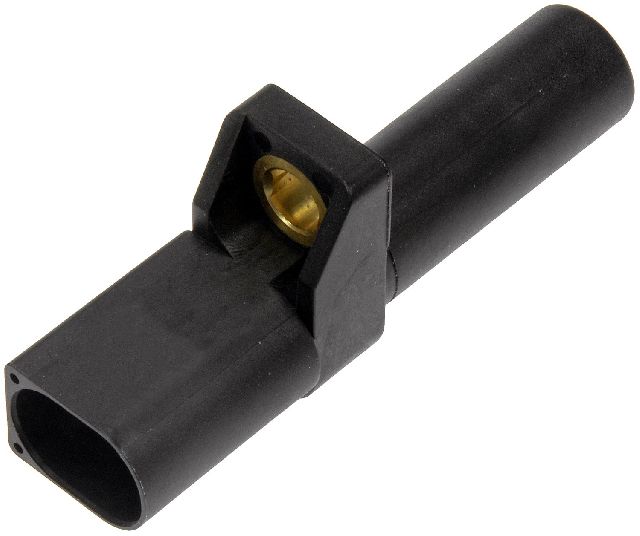
2-pin, oval connector, held in by a single E8 Torx bolt.
We Have This Part in Stock


The information in this article is provided for general reference and educational purposes only. Vehicle specifications, procedures, and part compatibility can vary by production date, trim level, and region. Always consult your vehicle's factory service manual and verify part numbers before purchasing or performing repairs. Safety-critical components such as airbags, seat belts, and braking systems should be installed by a qualified professional.
- Mercedes-Benz B200: