

A Comprehensive Guide to the 2006-2011 Mercury Milan Oxygen Sensor
Understanding how to choose the right replacement oxygen sensor is key to maintaining your Milan's engine health and fuel economy.
- A Check Engine Light with poor gas mileage are the most common signs of a failing oxygen sensor on your Milan.
- Use a direct-fit sensor; Motorcraft, Denso, and NGK/NTK are top-tier choices for reliability.
- Your Milan has 2 sensors (4-cylinder) or 4 sensors (V6); use an OBD-II scanner to identify which one has failed.
- Ignoring a bad sensor can lead to costly damage to the catalytic converter.
Is Your Milan's Oxygen Sensor Failing?

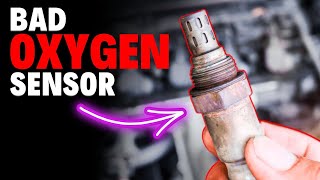
A failing oxygen sensor is a common issue that can affect your car's performance. The most obvious sign is an illuminated Check Engine Light on your dashboard. However, other symptoms can also point to a bad O2 sensor. Pay attention to a noticeable drop in fuel economy, a rough or unsteady idle, engine hesitation or misfires, and even a rotten egg or sulfur smell from the exhaust. 🎬 Watch this video to see common bad oxygen sensor symptoms. Ignoring these signs can lead to more severe problems, including damage to your expensive catalytic converter.
Don't Ignore a Failing Sensor
While you can drive with a bad O2 sensor, it's not recommended for long. An engine running too rich can overheat and clog the catalytic converter, a repair that costs significantly more than replacing a sensor.
Choosing the Right Aftermarket Oxygen Sensor

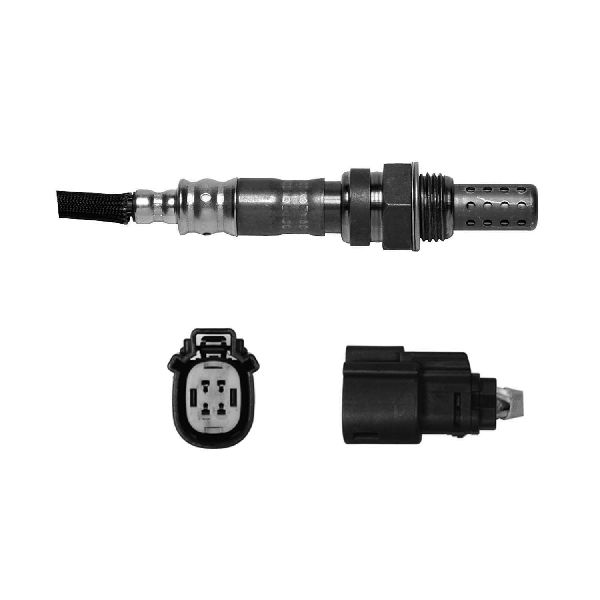
When it comes to replacing your Milan's oxygen sensor, you have several options. It's crucial to choose a direct-fit sensor designed for your specific engine (2.3L, 2.5L, or 3.0L V6) to ensure proper communication with the vehicle's computer. Avoid universal sensors that require splicing wires, as this can lead to connection problems.
Brand Tiers for Your Consideration:
- OEM/Premium Aftermarket (Motorcraft, Denso, NGK/NTK): Motorcraft is the original Ford/Mercury part, offering guaranteed fit and performance. Denso and NGK (also known as NTK for sensors) are often the original equipment manufacturers for many car brands, including Ford, and provide equivalent quality and reliability. These are the top-tier choices for a long-lasting, trouble-free repair.
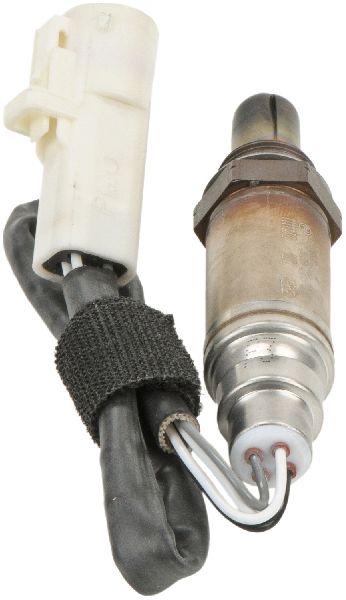
- Quality Aftermarket (Bosch, Delphi): Bosch is a pioneer in oxygen sensor technology and a major OEM supplier. While generally very reliable, some forum users across various Ford models have occasionally reported issues, making direct-fit models from them crucial. Delphi is another reputable OEM supplier with a strong aftermarket presence.
- Standard/Economy (Walker, Spectra, DriveWire): These brands offer a more budget-friendly solution. They can be a viable option, especially for older vehicles or if cost is a primary concern. However, their longevity and performance might not always match the premium brands.
Pro Tip: Replace in Pairs?
If your Milan is a V6 model and has over 80,000 miles, it's often a good practice to replace both upstream sensors at the same time. Since they have aged under the same conditions, the second one may not be far from failing. The same logic applies to the downstream sensors.
Understanding Replacement Costs

The cost to replace an oxygen sensor can vary based on the brand you choose and whether you do the work yourself. The job is feasible for a DIYer with the right tools, primarily an O2 sensor socket.
🎬 Follow this step-by-step guide to replace your oxygen sensor.| Item | Estimated Cost |
|---|---|
| New Aftermarket Oxygen Sensor | $26 - $145 |
| New OEM (Motorcraft) Oxygen Sensor | $80 - $180 |
| Shop Labor | $57 - $83 |
| Total Professional Replacement (Aftermarket Part) | $83 - $228 |
Note: Costs are estimates and can vary by location and specific part required. Labor cost is for a single sensor replacement.
Frequently Asked Questions

How many oxygen sensors does my 2006-2011 Mercury Milan have?
It depends on your engine. If you have a 4-cylinder engine (2.3L or 2.5L), you have two sensors: one upstream (Bank 1, Sensor 1) and one downstream (Bank 1, Sensor 2). If you have a V6 engine (3.0L), you have four sensors: two upstream (Bank 1, Sensor 1 and Bank 2, Sensor 1) and two downstream (Bank 1, Sensor 2 and Bank 2, Sensor 2).
What's the difference between an upstream and a downstream sensor?
The upstream sensor is located before the catalytic converter and measures the raw exhaust from the engine to control the air-fuel mixture. The downstream sensor is located after the catalytic converter and its main job is to monitor the converter's efficiency. A code for an upstream sensor is generally more critical to engine performance.
Were there any recalls for the Mercury Milan oxygen sensor?
No, there have been no specific recalls or Technical Service Bulletins (TSBs) issued by Ford or NHTSA for oxygen sensor failures on the 2006-2011 Mercury Milan. However, a recall (15S34) was issued for the fuel canister purge valve on 2010-2011 models, which could affect the fuel system and potentially cause symptoms that might be confused with a sensor issue.
Can I replace just one oxygen sensor?
Yes, you only need to replace the specific sensor that has failed. An OBD-II scanner will provide a diagnostic trouble code (e.g., P0133, P0140) that points to the exact sensor and its location 🎬 Learn how to interpret O2 sensor diagnostic trouble codes. (e.g., Bank 1, Sensor 2). However, as mentioned, if your vehicle has high mileage, replacing sensors in pairs (both upstream or both downstream) is a good preventative measure.
Helpful Videos
Technical Specifications
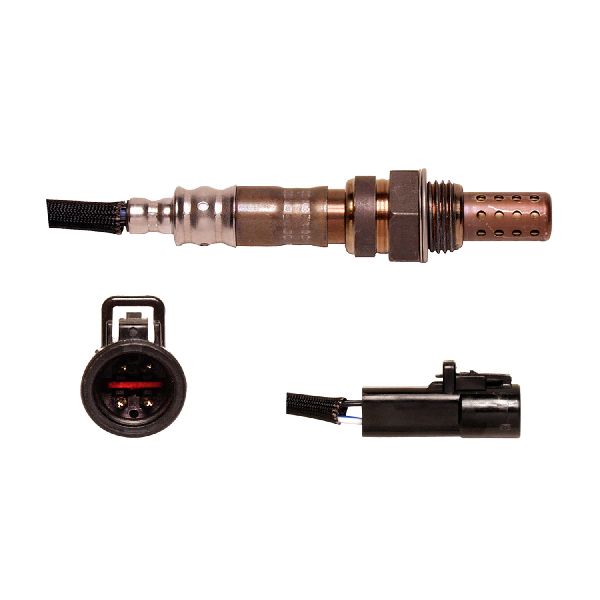
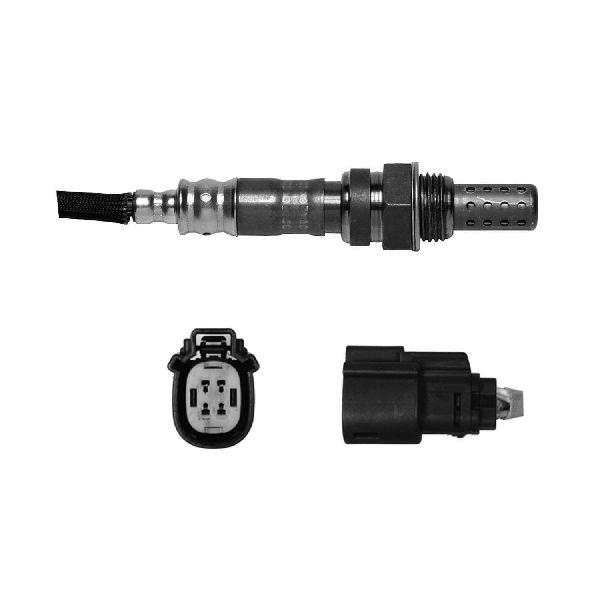
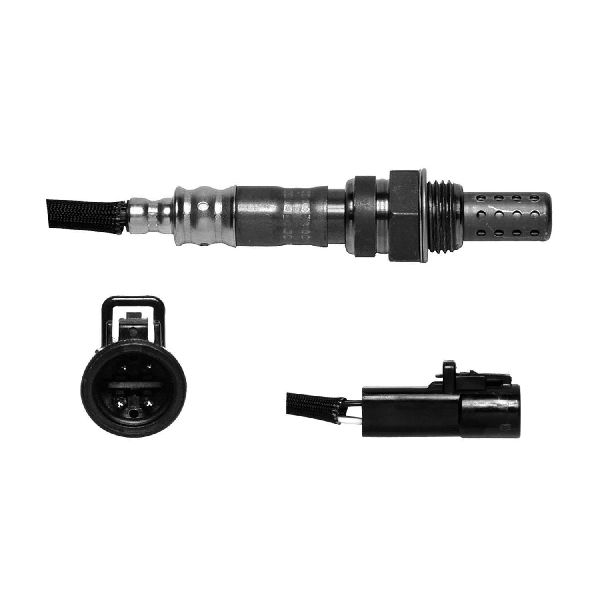
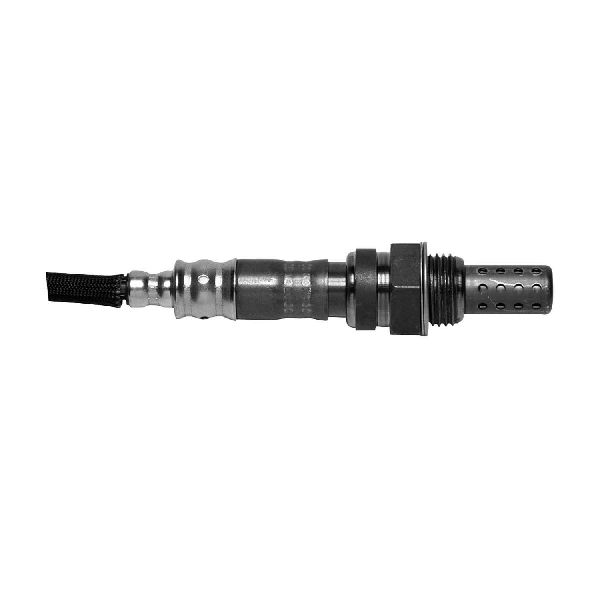
The number of sensors depends on the engine. 4-cylinder engines use two sensors (one upstream, one downstream). V6 engines use four sensors (two upstream, two downstream). All sensors are heated, 4-wire types. A special O2 sensor socket is recommended for removal and installation.
We Have This Part in Stock

The information in this article is provided for general reference and educational purposes only. Vehicle specifications, procedures, and part compatibility can vary by production date, trim level, and region. Always consult your vehicle's factory service manual and verify part numbers before purchasing or performing repairs. Safety-critical components such as airbags, seat belts, and braking systems should be installed by a qualified professional.
- Mercury Milan: