

A Guide to the Engine Coolant Temperature Sensor for the 2006-2011 Saab 9-3
Understand the symptoms of a failing coolant sensor and learn how to choose the right replacement for your 2.0T or V6 engine.
- Verify your engine (2.0T 4-Cyl or 2.8T V6) before buying, as they use different sensors.
- Symptoms include poor fuel economy, black smoke, an erratic temp gauge, and a Check Engine Light (P0116, P0117).
- Replacement is an easy DIY job that takes under 30 minutes with basic tools.
- For best results, choose a reputable aftermarket brand like Bosch or Delphi.
Is Your Saab 9-3's Coolant Sensor Failing?
A bad Engine Coolant Temperature (ECT) sensor can cause a range of confusing problems. Because the engine's computer relies on this sensor for accurate temperature readings, a failure can make the car behave as if it's always cold or always hot, regardless of its actual temperature. This can lead to poor performance and other issues that may seem unrelated at first.
Common Symptoms of Failure
- Check Engine Light: This is often the first sign. The ECU will detect a signal from the sensor that is out of range and trigger a light. Common trouble codes include P0116, P0117, and P0118. 🎬 See how to test and replace sensors with these codes.
- Poor Fuel Economy: If the sensor incorrectly tells the ECU the engine is cold, the computer will enrich the fuel mixture, causing the engine to use more gas than necessary.
- Black Smoke from Exhaust: A consistently rich fuel mixture can lead to unburned fuel entering the exhaust, where it burns off and creates black smoke.
- Inaccurate Temperature Gauge: The gauge on your dashboard may act erratically, stay on cold, or show the engine is overheating when it is not.
- Engine Overheating: If the sensor fails to report that the engine is hot, the cooling fans may not turn on when they should, leading to a real overheating event.
- Difficulty Starting: An incorrect fuel mixture can make the engine difficult to start, whether it is hot or cold.
Critical Ordering Mistake: 2.0T vs. 2.8T V6
The 2006-2011 Saab 9-3 was available with a 4-cylinder (2.0T) and a 6-cylinder (2.8T V6) engine. These engines use different coolant temperature sensors. Always verify your engine type before ordering.
- 2.0T 4-Cylinder (B207 Engine) OEM Part #: 15393755
- 2.8T V6 (B284 Engine) OEM Part #: 12639899
Choosing the Right Aftermarket Sensor
While a Genuine Saab part is always an option, many aftermarket brands offer excellent quality, often for less money. For a critical sensor like this, it's best to stick with reputable manufacturers. The brands available can be grouped into tiers based on their reputation in the automotive community.
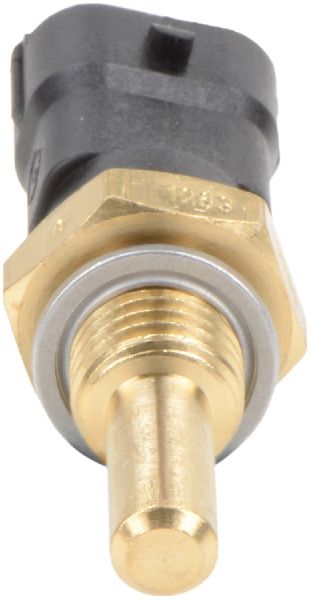
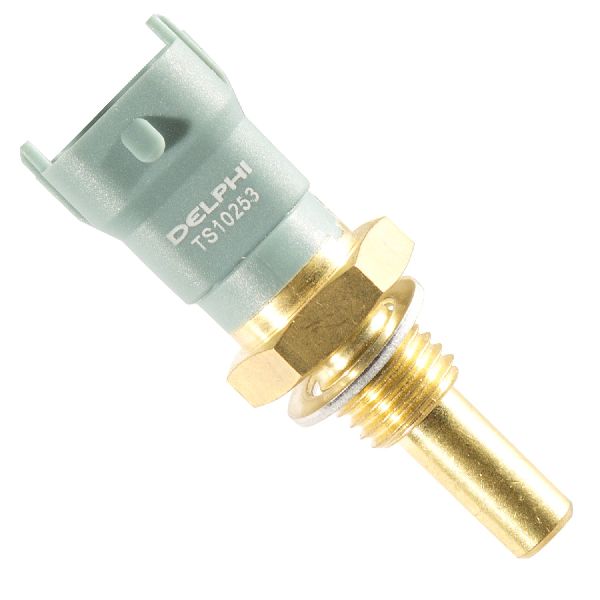
- Tier 1 (OEM Quality): Brands like Bosch and Delphi are often the original equipment manufacturers for many GM and European vehicles. Choosing one of these is the safest bet for a reliable, long-lasting repair.
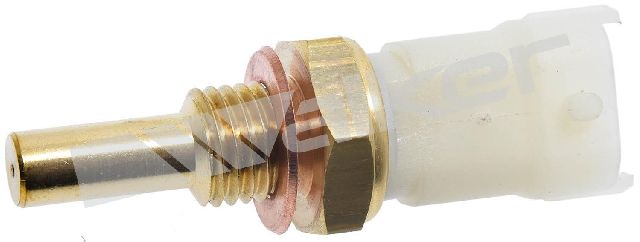
- Tier 2 (Trusted Aftermarket): Brands such as Hella, Standard Ignition (SMP), and Walker Products have a long history of producing reliable aftermarket components. They offer a good balance of quality and price.
- Tier 3 (Budget Options): Brands like Facet, Global Parts, and others may offer significant savings. While many of these parts work fine, they may not have the same level of quality control or longevity as higher-tier brands. For a part this critical and inexpensive, spending a few extra dollars for a better brand is wise.
| Part Type | Estimated Cost |
|---|---|
| New Aftermarket | $15 - $42 |
| New OEM | $20 - $35 |
| Shop Labor | $50 - $100 |
Is it the Sensor or the Thermostat?
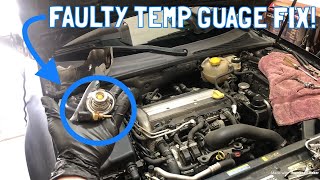
A temperature gauge that reads low or drops while driving often points to a thermostat that is stuck open, not a bad sensor. If you are getting a P0116 code, which indicates a performance problem, it could be either part. Since the sensor is easy to access, some owners replace it first, but if the problem persists, the thermostat is the next likely culprit.
🎬 Watch a combined guide for replacing both the sensor and thermostat.Frequently Asked Questions (FAQ)
Where is the coolant temperature sensor located on my Saab 9-3?
For the 2.0T 4-cylinder engine, the sensor is on the top-left side of the engine as you face it, under the plastic engine cover. For the 2.8T V6 engine, it is located below the oil pressure switch.
Can I replace this sensor myself?
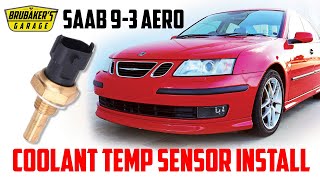
Yes, this is a great DIY job for beginners. It typically takes less than 30 minutes. 🎬 Watch this quick walkthrough of the sensor installation process. You will need to remove the engine cover (T30 Torx bit), unplug the sensor, and use a deep 19mm or 3/4" socket to unscrew it. Have the new sensor ready to install quickly, as some coolant will spill out when the old one is removed.
What happens if I ignore a bad sensor?
Driving with a bad ECT sensor can cause persistently poor fuel economy, damage your catalytic converter over time from a rich fuel mixture, and potentially cause the engine to overheat if the cooling fans don't operate correctly. It can also cause you to fail an emissions test.
Are there any recalls for this part?
No, there are no specific recalls or technical service bulletins (TSBs) from Saab or the NHTSA for the engine coolant temperature sensor on the 2006-2011 9-3. Failures are typically due to age and normal wear.
Helpful Videos
Technical Specifications
OEM Part Numbers: 15393755 (For 2.0T B207 Engine) 12639899 (For 2.8T V6 B284 Engine)
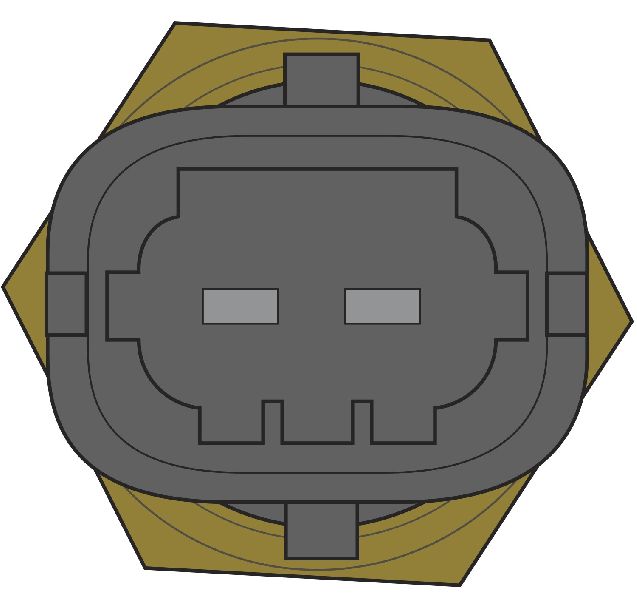
Thread Size: M12 x 1.5, Connector Pins: 2
We Have This Part in Stock


The information in this article is provided for general reference and educational purposes only. Vehicle specifications, procedures, and part compatibility can vary by production date, trim level, and region. Always consult your vehicle's factory service manual and verify part numbers before purchasing or performing repairs. Safety-critical components such as airbags, seat belts, and braking systems should be installed by a qualified professional.
- Saab 9-3: