

A Guide to Aftermarket Spark Plugs for the 2006-2011 Saab 9-3
Keep your Saab's turbocharged engine running strong by choosing the right spark plugs for your specific needs.
- Stick with NGK or Denso spark plugs for the best performance and compatibility, as NGK is the original equipment provider.
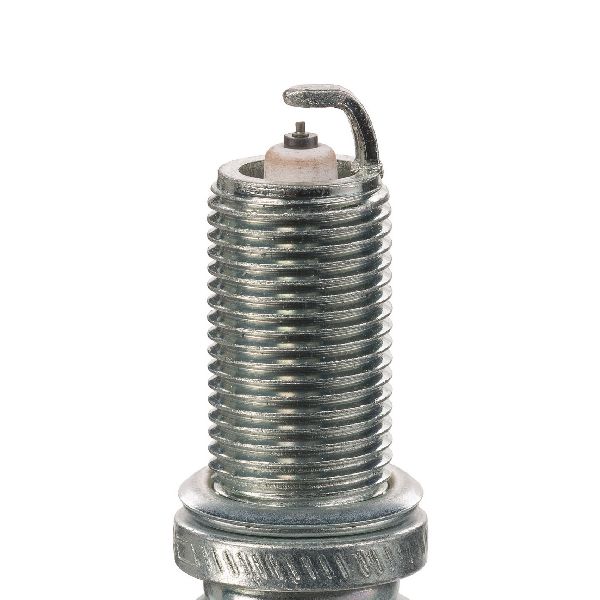
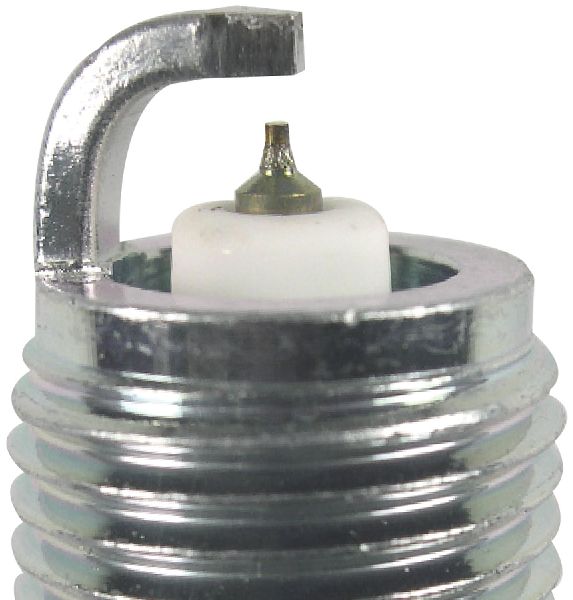
- Always check the spark plug gap before installation, even if they are pre-gapped; the target for a stock 2.0T is around 1.0mm.
- On the 2.8T V6 engine, replacing the rear spark plugs is significantly more difficult than the front ones and may be best left to a professional if you are not an experienced DIYer.
- A flashing Check Engine Light indicates a severe misfire; pull over and shut off the engine as soon as safely possible to prevent expensive catalytic converter damage.
Symptoms of Failing Spark Plugs in a Saab 9-3

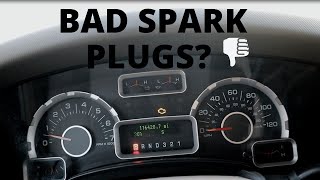
When your spark plugs start to wear out, your car will usually let you know. The signs can be subtle at first but will get worse over time. A common issue is a "misfire," which is when a cylinder fails to ignite the fuel mixture properly. This can feel like a stutter or hesitation from the engine, especially when you accelerate. You might also notice a rough idle, where the engine vibrates or shakes more than usual when you're stopped. Other signs include a noticeable drop in fuel economy, slower acceleration, and the Check Engine Light coming on. If the light is flashing, it signals a severe misfire that could damage your catalytic converter, 🎬 Watch: A visual guide to common bad spark plug symptoms and you should stop driving as soon as it's safe.
Choosing the Right Aftermarket Spark Plugs

Your Saab 9-3's engine is sensitive to the type of spark plug used. While many brands are available, Saab owners and specialists consistently recommend sticking close to the original equipment (OEM) specifications for the best results. The OEM plugs are typically made by NGK.
Aftermarket Brand Tiers for Saab 9-3
| Tier | Brands | Quality & Performance Assessment |
|---|---|---|
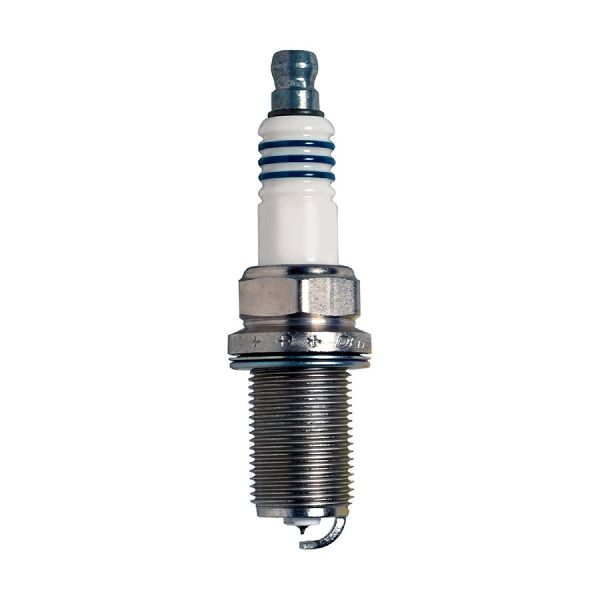
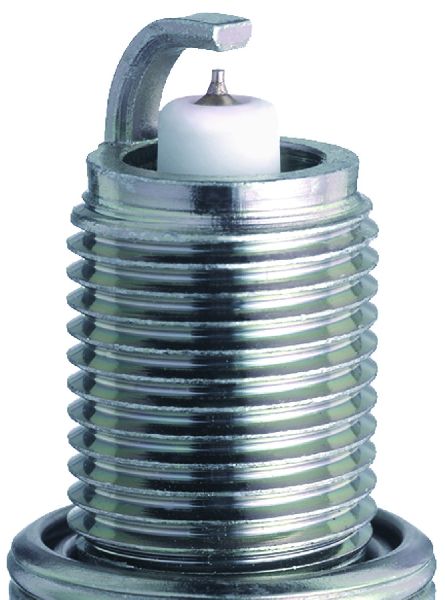
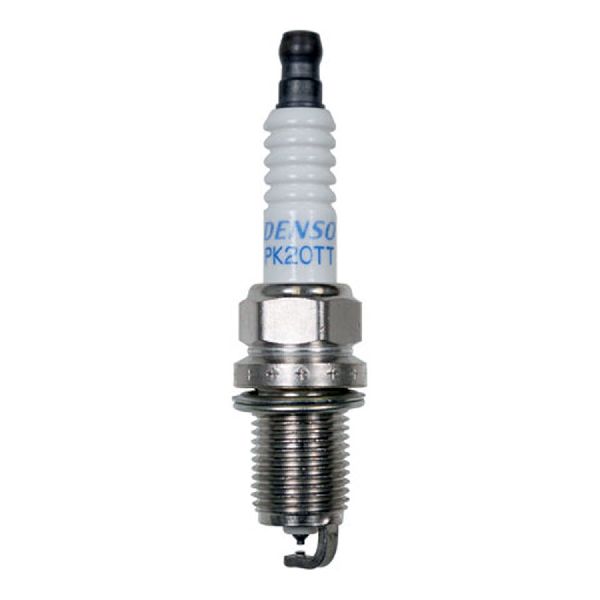
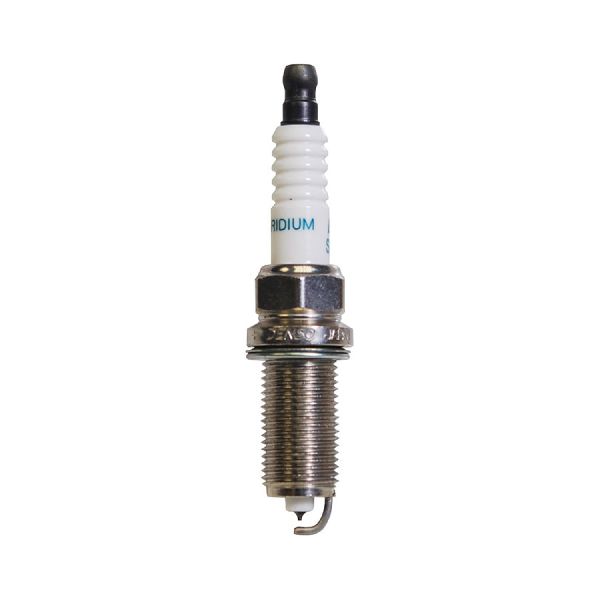
| Tier 1: OEM-Equivalent | NGK, Denso | NGK is the original equipment manufacturer for the 2.0T engine's spark plugs (specifically models like PFR6T-10G). Both NGK and Denso are highly recommended by Saab specialists and owners for their reliability and performance. Using Iridium plugs from these brands can offer a long service life. These are the safest bet for stock and lightly tuned cars. |
| Tier 2: Reputable Alternatives | Bosch, Champion | Bosch is a well-regarded German brand that also offers plugs for the 9-3. They are a solid choice if NGK or Denso are unavailable. Champion plugs are a common aftermarket option, though some owners have reported mixed results compared to NGK. |
| Tier 3: Budget-Friendly | Autolite, Skyward | These brands offer a more affordable option. While they will work, some owners have reported that their Saab engines run best on the OEM-spec NGK plugs. If you choose a budget option, be prepared to replace them more frequently and always check that the gap is correct before installation. |
Known Issues, Recalls, and Service Bulletins

There are no specific recalls or Technical Service Bulletins (TSBs) from Saab or the NHTSA directly related to spark plugs for the 2006-2011 9-3. However, misfire codes (like P0300) are often traced back to worn spark plugs or failing ignition coils. The ignition system in these cars, particularly the Trionic 8 (T8) system in the 2.0T, uses the spark plugs to monitor combustion, making the use of correct, high-quality plugs even more important. Using the wrong plugs can interfere with this system and cause poor performance.
Frequently Asked Questions (FAQ)

How often should I change the spark plugs on my 2006-2011 Saab 9-3?
The recommended interval can vary. For standard platinum plugs in the 2.0T engine, a replacement every 30,000 to 60,000 miles is a good guideline. If you have a tuned engine or use basic copper plugs, you should change them more often, perhaps every 10,000-15,000 miles. For the 2.8T V6, check your owner's manual, but a similar 60,000-mile interval for platinum or iridium plugs is common.
Do I need to gap the new spark plugs?
Yes, it's always a good idea to check the gap. While many high-quality plugs like NGK and Denso come pre-gapped (often indicated by the part number), they can be knocked out of spec during shipping. The stock gap for the 2.0T engine is typically around 1.0mm (0.039"). Using a feeler gauge to verify the gap is a crucial step for ensuring optimal performance.
What's the difference between Iridium, Platinum, and Copper plugs?
The main difference is the material used for the center electrode, which affects durability and cost. Iridium and Platinum are very hard metals that resist wear, allowing for a much longer service life (60,000+ miles). Copper plugs have excellent conductivity but wear out much faster and need to be replaced more frequently. For the Saab 9-3, Platinum or Iridium plugs are recommended.
Is it difficult to change the spark plugs myself?
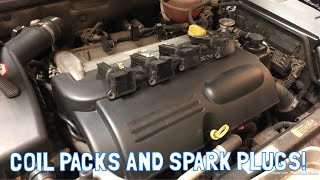
On the 4-cylinder (2.0T) engine, it is a very straightforward and easy job for a DIY mechanic. It involves removing a plastic engine cover and then one ignition coil per spark plug. 🎬 See this step-by-step spark plug and coil replacement walkthrough For the V6 (2.8T) engine, the front three plugs are easy, but the rear three are much more difficult to access and require removing some wiring harnesses and brackets.
🎬 Watch: How to access those difficult rear V6 spark plugsHelpful Videos
Technical Specifications
OEM Part Numbers: 55571391 12787099 9399866 55564748 12788884
For the 2.0T engine, the factory-specified spark plug is the NGK PFR6T-10G. The '10G' in the part number indicates a pre-gap of 1.0mm. For the 2.8T V6, the NGK PLFR6C-10G is a common OEM plug. Torque specification for the 2.0T plugs is approximately 20-21 ft-lbs (27-28 Nm).
We Have This Part in Stock

The information in this article is provided for general reference and educational purposes only. Vehicle specifications, procedures, and part compatibility can vary by production date, trim level, and region. Always consult your vehicle's factory service manual and verify part numbers before purchasing or performing repairs. Safety-critical components such as airbags, seat belts, and braking systems should be installed by a qualified professional.
- Saab 9-3: