

A Comprehensive Guide to the Serpentine Belt on Your 2006-2011 Saab 9-5
Address squealing noises and prevent a breakdown by understanding the serpentine belt system on your specific Saab 9-5.
- The 2006-2009 (Gen 1) and 2010-2011 (Gen 2) models use different belts and components; verify your year before buying.
- For Gen 1 models, the updated 'short belt' configuration without the extra idler pulley is the correct, modern setup.
- Always replace the tensioner and idler pulleys at the same time as the belt to prevent premature failure of the new belt.
- Top aftermarket brands like Continental, Gates, and Dayco offer OEM-quality performance and are trusted choices for your Saab.
First, Identify Your 9-5 Generation
The 2006-2011 model years span two very different versions of the Saab 9-5. The parts and procedures are not the same. It is critical to identify your vehicle before purchasing parts.
- First Generation (2006-2009): These models use the 4-cylinder 2.3L (B235) engine. This guide has specific information regarding a belt routing update for these cars.
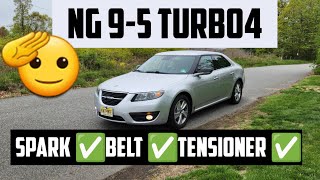
- Second Generation (2010-2011): Known as the "NG9-5," this generation uses different GM-derived engines, such as the 2.0L Turbo or 2.8L V6. 🎬 See how to replace the tensioner on the NG 2.0L engine. The belt, tensioner, and pulleys are different from the earlier generation.
Symptoms of a Failing Serpentine Belt
A failing serpentine belt or its related components will give you clear warning signs. Ignoring them can lead to being stranded.
- Squealing or Chirping Noises: This is the most common symptom. A high-pitched squeal, especially on startup or when the A/C is turned on, points to a slipping, worn, or contaminated belt. A chirping sound often indicates a misaligned or failing pulley.
- Humming or Grinding Noise: A constant humming or grinding noise from the engine bay points to a bad bearing in the tensioner or an idler pulley. This part is failing and can seize, which will destroy the belt. 🎬 Hear what a noisy drive belt sounds like before it fails.
- Visible Wear and Tear: Inspect your belt. If you see multiple cracks, fraying edges, missing chunks, or a smooth, glazed appearance, it's time for a replacement.
- Accessory or Electrical Issues: If your headlights dim, the battery light comes on, you lose power steering, or the engine temperature rises quickly, the belt may have snapped or is slipping severely.
Known Issue: The "Short Belt" Update (2006-2009 Models)
First-generation 9-5 models originally came with a serpentine belt system that included an extra idler pulley. This pulley was found to be a common failure point. Saab later issued a service update that removed this redundant pulley and specified a shorter belt. Most 9-5s of this era have likely been converted to this more reliable short-belt setup. Before ordering, visually inspect your engine to see if you have the extra pulley or the direct routing. If you are unsure, the shorter belt (approx. 2415-2425mm length) is the modern, correct configuration.
Choosing the Right Aftermarket Serpentine Belt
For a part like a serpentine belt, high-quality aftermarket brands are widely considered to be equal to, and sometimes even suppliers for, the original equipment (OEM) part. You do not need to pay a premium for an OEM-branded belt to ensure reliability.
- Premium Brands (Continental, Gates): Both Continental and Gates are top-tier manufacturers with excellent reputations in the Saab community and among professional mechanics. Continental is often a preferred brand for European vehicles. You can trust either of these brands for OEM-level performance and longevity.
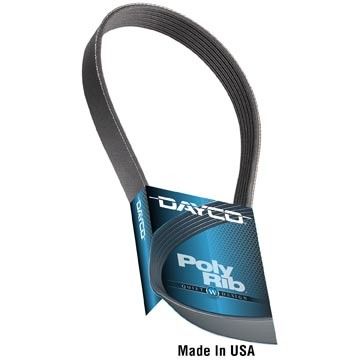
- Quality Brands (Dayco): Dayco is another well-respected manufacturer that produces reliable serpentine belts. They are a solid choice and offer dependable performance for your 9-5.
Pro Tip: Replace as a Kit
The serpentine belt does not work alone. It relies on a spring-loaded tensioner and one or more idler pulleys to maintain correct tension and alignment. The bearings in these pulleys wear out over time. A seized pulley will shred a brand-new belt in seconds. It is strongly recommended to replace the belt, tensioner, and all idler pulleys at the same time for a complete and lasting repair.
| Part | Estimated Cost |
|---|---|
| New Aftermarket Serpentine Belt | $20 - $65 |
| New Aftermarket Belt Kit (Belt, Tensioner, Pulleys) | $100 - $250 |
| Shop Labor | $180 - $350 |
| Total Estimated Cost (Shop-Installed Kit) | $280 - $600 |
Frequently Asked Questions
When should I replace my Saab 9-5's serpentine belt?
As a general rule, serpentine belts should be inspected at every oil change and replaced every 50,000 miles or 5 years, whichever comes first. However, if you notice any symptoms like noise or visible cracking, you should replace it immediately, regardless of mileage.
Is replacing the serpentine belt a DIY job?
For an experienced home mechanic, yes. The process involves lifting the car, removing the passenger side wheel and fender liner, supporting the engine with a jack, and removing the upper engine mount to gain access. It requires a good set of tools and some patience. If you are not comfortable with these steps, it is best left to a professional.
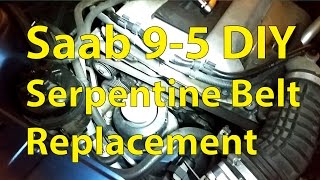
🎬 Watch this complete DIY walkthrough for the belt and pulleys.What happens if the serpentine belt breaks while driving?
You will immediately lose power to all accessories. The steering will become very heavy, the battery will stop charging (triggering a warning light), and the A/C will stop working. Most importantly, on many engines, the water pump will stop circulating coolant, causing the engine to overheat rapidly. You should pull over safely as soon as possible to prevent catastrophic engine damage.
Do I need a special tool to change the belt?
A serpentine belt tool or a long breaker bar is needed to release the tension from the belt tensioner. For the 2006-2009 models, you will need 15mm, 16mm, and 18mm sockets to remove the engine mount. The 2010-2011 models have a similar but distinct procedure.
Helpful Videos

Technical Specifications
OEM Part Numbers: 55563222
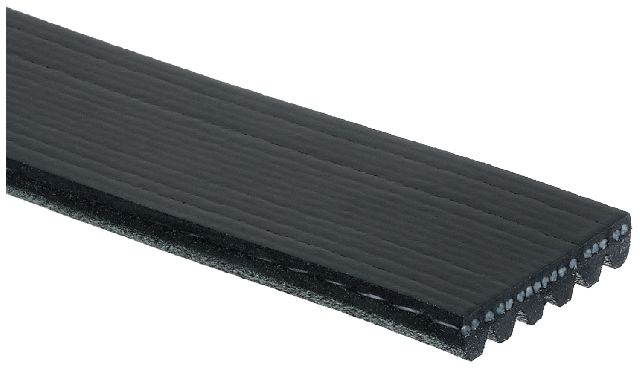
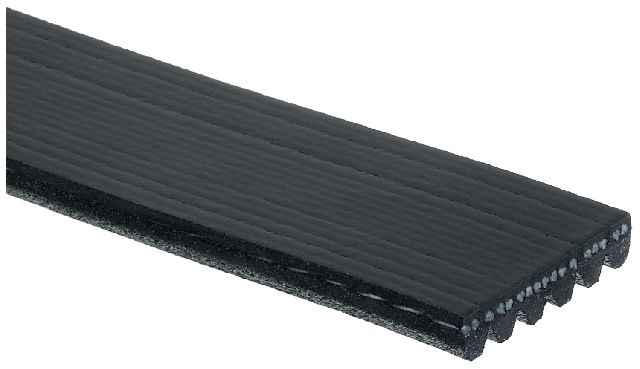
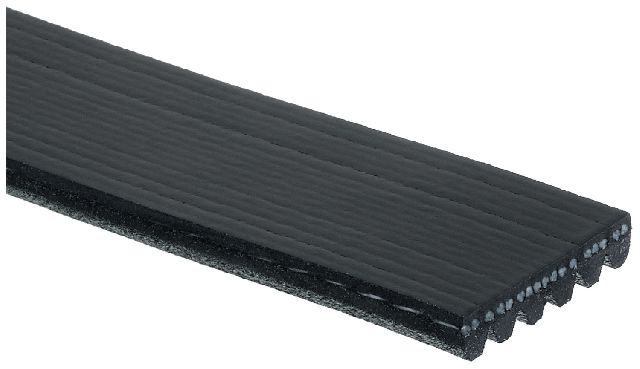
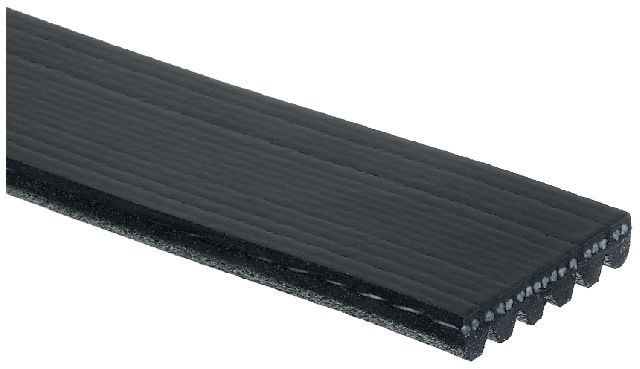
Vehicle-specific. The 2006-2009 2.3L models use a 6-rib belt, with the updated 'short' version being approximately 2415mm-2425mm long (e.g., 6PK2415). The 2010-2011 models use different belts depending on the engine (e.g., a 6-rib, ~78-inch belt for the 2.0T). Always verify fitment with your specific vehicle information.
We Have This Part in Stock

The information in this article is provided for general reference and educational purposes only. Vehicle specifications, procedures, and part compatibility can vary by production date, trim level, and region. Always consult your vehicle's factory service manual and verify part numbers before purchasing or performing repairs. Safety-critical components such as airbags, seat belts, and braking systems should be installed by a qualified professional.
- Saab 9-5: