

Engine Camshaft Position Sensor Guide for 2006-2011 Volkswagen Passat
Experiencing stalling or a check engine light in your Passat? Your camshaft position sensor might be the culprit.
- For the 2.0T engine, a P0341 or P0016 code may indicate a serious timing chain issue, not just a bad sensor.
- Choosing a quality brand like Bosch, Hella, or Delphi is crucial for long-term reliability in a Passat.
- On the 2.0T engine, replacement is simple and requires only basic tools, making it a good DIY task.
- Driving with a failing sensor is risky as the engine can stall at any time.
Is Your Passat's Camshaft Position Sensor Failing?
A bad camshaft position sensor can make your 2006-2011 Volkswagen Passat run poorly and can even leave you stranded. These sensors live in a harsh environment of heat and vibration, and they can fail over time. Recognizing the symptoms early can save you from a sudden breakdown.
Common Symptoms of Failure:
- Check Engine Light: This is often the first warning. You may see codes like P0340, P0341, or P0016 when you scan the vehicle.
- Difficulty Starting: The engine may crank for a long time before starting, or it might not start at all.
- Stalling: The engine may stall unexpectedly while driving, which can be dangerous.
- Rough Idle and Misfires: Your car may shake or shudder when stopped, and the engine might feel like it's skipping.
- Poor Acceleration: You'll notice a lack of power when you press the gas pedal.
A Critical Note for 2.0T Engine Owners (TSB Information)
If your Passat has the 2.0T engine and you have a Check Engine Light with codes P0016 or P0341, the problem may not be the sensor itself. Volkswagen has issued Technical Service Bulletins (TSBs) for this engine regarding issues with the timing chain tensioner and the strainer in the camshaft bearing bracket. A failing tensioner can cause the timing chain to jump, leading to these codes and potentially severe engine damage. Before replacing the sensor, it is highly recommended to have the timing system inspected by a qualified mechanic, especially if you hear a rattling noise from the engine on startup.
Choosing the Right Aftermarket Sensor for Your Passat
When it comes to critical engine sensors on a German vehicle like your Passat, quality matters. While an OEM sensor from a dealer is an option, many aftermarket brands provide excellent quality, sometimes from the same manufacturer that supplied Volkswagen. Here’s how to choose:
Tier 1: OEM Supplier & Premium Brands
These brands are known for making original equipment for VW or for having equivalent quality and reliability. They are the safest bet for a long-lasting repair.
- Delphi: Often an OE supplier, Delphi sensors are built to match factory performance and are highly regarded for European vehicles.
- Hella: A well-respected German brand known for its high-quality electronics and OE-level components.
- NGK (NTK): While famous for spark plugs, their sensor line (NTK) is top-tier and trusted by professionals.
- Bosch: As a major OEM for Volkswagen, a Bosch sensor is often identical to the part you would get from a dealership.
Tier 2: Reputable Aftermarket Brands
These brands offer a good balance of price and quality. They are a solid choice for a reliable repair without the premium price tag.
- Standard Ignition (SMP): A long-standing brand in the aftermarket, often considered a reliable choice.
- Walker Products: Known for engine management and fuel system components, offering dependable sensors.
- Holstein: Provides a range of sensors that meet or exceed OE specifications.
Tier 3: Economy Brands
These brands focus on value. While they are the most affordable, their long-term reliability can be inconsistent. They may be suitable for a budget repair, but carry a higher risk of premature failure.
- URO Parts: Known for providing a wide range of affordable parts for European cars.
- Global Parts, Prenco, True Tech, Facet: These brands fall into the value category, offering a low-cost alternative.
Pro Tip: Check for Oil Contamination
A common failure point on the 2.0T engine is for oil to leak from the sensor itself into the electrical connector. When you unplug your old sensor, check the connector for any signs of oil. If oil is present, the sensor has failed and must be replaced. Clean the connector thoroughly with electrical contact cleaner before plugging in the new sensor.
Estimated Replacement Costs
| Part Type | Estimated Cost |
|---|---|
| New OEM | $70 - $120 |
| New Aftermarket | $23 - $113 |
| Shop Labor | $85 - $175 |
Cost estimates are based on national averages and may vary by location and vehicle engine type (2.0T vs 3.6L).
Frequently Asked Questions
Can I replace the camshaft position sensor myself?
Yes, on the 2.0T engine, this is a very DIY-friendly job. The sensor is located on top of the engine and is held in by a single T30 Torx bolt. It can typically be replaced in under 30 minutes with basic tools. The 3.6L V6 engine may have a different location and complexity.
What happens if I don't replace a bad sensor?
Ignoring a failing camshaft sensor is risky. Your car's performance and fuel economy will suffer. More critically, the engine could stall while you are driving or fail to start at all, leaving you stranded.
Is an OEM sensor really better for my Passat?
For critical electronics on German cars, using an OEM part or a proven OEM supplier like Bosch or Hella is highly recommended for reliability. While budget parts are cheaper, they have a higher failure rate, and you may find yourself doing the job again sooner than you'd like.
How many camshaft sensors does my 2006-2011 Passat have?
The common 2.0T TSI engine used in this Passat generation has only one camshaft position sensor. The less common 3.6L VR6 engine has two sensors, one for each bank of cylinders.
Technical Specifications
OEM Part Numbers: 07K907601A 06C905163B
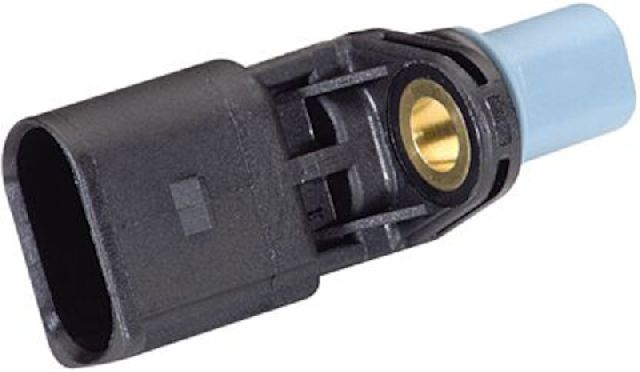
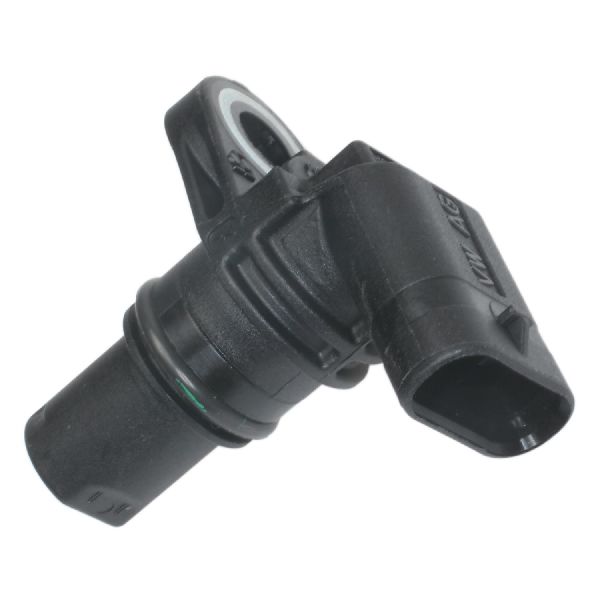
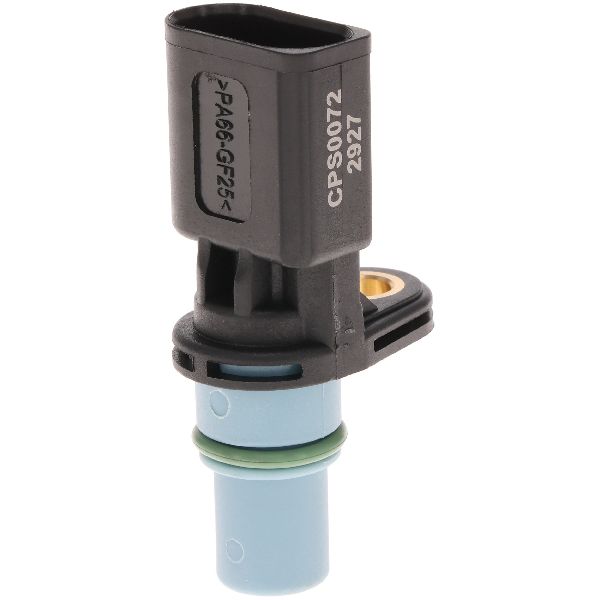
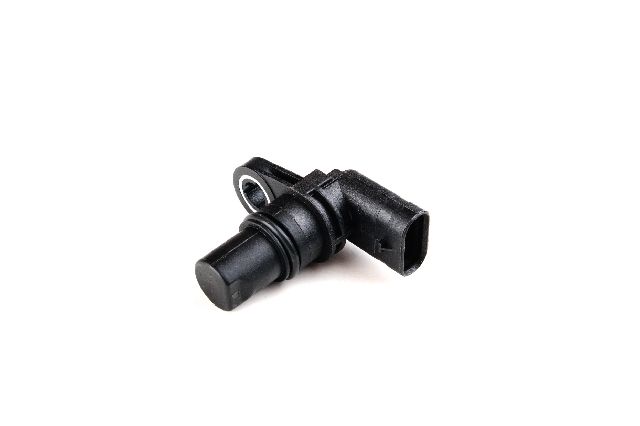
This is a 3-pin Hall effect sensor. It is typically located on the top of the valve cover on the 2.0T engine.
We Have This Part in Stock


The information in this article is provided for general reference and educational purposes only. Vehicle specifications, procedures, and part compatibility can vary by production date, trim level, and region. Always consult your vehicle's factory service manual and verify part numbers before purchasing or performing repairs. Safety-critical components such as airbags, seat belts, and braking systems should be installed by a qualified professional.
- Volkswagen Passat:
- 🛍️ Shop This Part
- Is Your Passat's Camshaft Position Sensor Failing?
- Common Symptoms of Failure:
- A Critical Note for 2.0T Engine Owners (TSB Information)
- Choosing the Right Aftermarket Sensor for Your Passat
- Tier 1: OEM Supplier & Premium Brands
- Tier 2: Reputable Aftermarket Brands
- Tier 3: Economy Brands
- Pro Tip: Check for Oil Contamination
- Estimated Replacement Costs
- Frequently Asked Questions
- 🎟️ Get 5% Off