

A Guide to Replacing Disc Brake Pads on Your 2006-2012 Acura RL
Stop the guesswork and choose the right brake pads for your RL's performance and comfort needs.
- The 2006-2012 RL requires high-quality pads; premium aftermarket brands like Akebono often provide better value than OEM.
- For most owners, ceramic pads are the best choice for quiet operation and low brake dust, matching the car's luxury character.
- Be aware of a 2005-2007 recall regarding brake fluid type, which can cause a soft pedal if incorrect fluid is used.
- A rattling noise may be caused by worn caliper hardware, not the pads themselves, and should be inspected during replacement.
Symptoms of Worn Brake Pads
Your RL will give you clear signs when the brake pads are nearing the end of their life. Ignoring them can lead to more expensive repairs, like needing to replace the brake rotors. Be aware of these common symptoms:
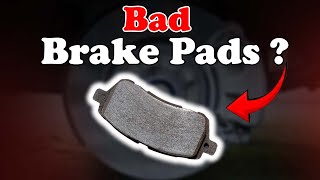
- Squealing or Screeching: A high-pitched noise when you apply the brakes is the most common sign. It's caused by a small metal wear indicator built into the pads making contact with the rotor.
- Grinding Noise: If you hear a deep, metallic grinding sound, stop driving as soon as it is safe. This means the pads are completely worn away, and the metal backing plate is grinding against the rotor, causing severe damage.
- Longer Stopping Distances: If you notice your car takes longer to stop than it used to, your pads may be too thin to create effective friction.
- Spongy or Soft Brake Pedal: A brake pedal that feels less firm or sinks closer to the floor can indicate a problem in the brake system, sometimes related to worn pads or a brake fluid issue.
- Vibration or Pulsing: A pulsing sensation in the brake pedal or steering wheel when braking often points to warped rotors, which can be caused by heat from worn-out pads.
Choosing the Right Aftermarket Brake Pads
The original pads on your Acura RL were likely made by Advics or another OEM supplier, designed for a balance of quiet operation and low dust. Aftermarket pads offer a wider variety of choices, often at a better price. They can be grouped into three main tiers for your RL.
Tier 1: OEM Equivalent & Premium Daily
These brands provide performance that is equal to or better than the original factory pads. They are perfect for RL owners who want the same quiet, clean, and reliable braking they are used to.
- Akebono (ProACT): Highly recommended by Acura owners, Akebono pads are known for their extremely low dust, quiet operation, and smooth stopping power that meets or exceeds OEM specifications.
- Advics: As a likely original equipment manufacturer for Acura, Advics pads will provide a factory-like feel, performance, and low noise level.
- Bosch (QuietCast): A premium ceramic pad that focuses on quiet performance and low dust, making it a strong choice for daily driving.
Tier 2: Quality Daily Driver
These brands are trusted names in the aftermarket industry, offering excellent value and reliable performance for everyday use. They are a significant step up from budget pads.
- Wagner Brakes (OEX/ThermoQuiet): A long-standing brand offering pads designed for quiet, consistent stopping for daily commuters.
- Raybestos (Element3): Known for providing enhanced hybrid technology pads that offer the best attributes of both ceramic and semi-metallic materials.
- Centric Parts (Posi Quiet): A popular choice offering a good balance of performance and value, with a focus on low noise and dust.
Tier 3: Performance & Sport Upgrade
For the RL owner who wants more aggressive braking performance (or "bite") and is willing to accept potentially more brake dust and noise.
- Brembo: While not the original pad manufacturer for the RL, Brembo offers premium ceramic and performance pads that provide excellent stopping power, though they may produce more dust than OEM pads.
- EBC Brakes (Redstuff/Yellowstuff): A UK-based company offering different compounds. Redstuff is a low-dust ceramic performance pad for spirited street use, while Yellowstuff offers even higher friction for more demanding use.
- Powerstop (Z23/Z26): Very popular for their complete brake kits (pads and rotors). Their carbon-fiber ceramic pads are designed for increased stopping power with relatively low dust and noise.
Vehicle-Specific Known Issues
Brake Fluid Recall (NHTSA 10V504000): A recall was issued for 2005-2007 RL models. Using brake fluid that does not contain specific lubricating polymers can cause the rear seal of the brake master cylinder to fail. This can lead to a soft pedal and reduced braking. Always use high-quality, compatible brake fluid as specified in your owner's manual or from the manufacturer.
Low-Speed Squeal/Rattle (TSB 05-021): Acura released a Technical Service Bulletin for some 2005 models that could develop a squeal or rattle from the front brakes at low speeds. This was often related to the pad shims and hardware.
Pro Tip: Check Your Caliper Hardware
Some RL owners have reported a rattling noise from the front brakes even with new pads. This can be caused by wear on the metal pad abutment clips/shims that are part of the caliper itself, not the brake pad set. During a brake job, inspect these clips for wear or damage. If they are worn, the pad can move slightly in the caliper, causing a rattle.
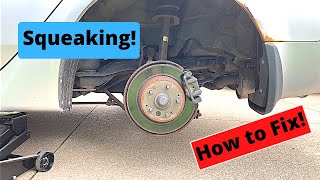
🎬 Watch: How to diagnose and fix brake squeaks and rattles.Cost of Replacing Brake Pads on a 2006-2012 Acura RL
| Part Type | Estimated Cost |
|---|---|
| Aftermarket Disc Brake Pad Set | $28 - $223 (per axle) |
| OEM Disc Brake Pad Set | $160 - $210 (per axle) |
| Shop Labor | $110 - $185 (per axle) |
| Total Professional Replacement (Aftermarket) | $138 - $408 (per axle) |
| Total Professional Replacement (OEM) | $270 - $395 (per axle) |
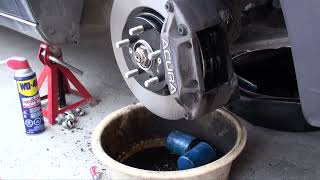
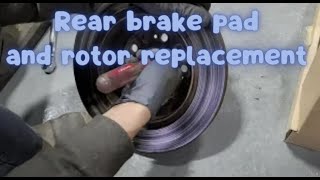
Costs are estimates and can vary based on your location, the specific parts chosen, and the condition of your brake rotors. It is often recommended to replace or resurface rotors at the same time as pads. 🎬 See this walkthrough for replacing front pads and rotors yourself.
Frequently Asked Questions
Are more expensive brake pads worth it for my RL?
Not always. For most RL drivers, a premium aftermarket ceramic pad from a brand like Akebono or Bosch will provide excellent, quiet performance for less than the cost of OEM pads. The most expensive performance pads are only necessary if you do very spirited driving and need maximum stopping power.
What brake pad material is best? Ceramic or Semi-Metallic?
For the Acura RL, ceramic pads are the best choice for the vast majority of owners. They offer the quiet, low-dust operation that luxury car owners expect. Semi-metallic pads can offer more bite in extreme conditions but are generally noisier and produce much more dark-colored dust.
Do I have to replace my rotors when I replace my pads?
It is highly recommended. New pads need a smooth, flat surface to bed-in correctly. If your old rotors are worn, grooved, or warped, they will cause noise, vibration, and premature wear on your new pads. At a minimum, have a mechanic measure the rotor thickness to see if they can be safely resurfaced.
Why are my new brakes making noise?
New brakes can sometimes make noise during the first few hundred miles as they "bed-in." This process mates the new pad material to the rotor surface. Noise can also be caused by improper installation, failure to lubricate contact points, or not replacing worn hardware like clips and shims. If the noise persists, have them inspected.
Helpful Videos
Technical Specifications
OEM Part Numbers: 45022-SJA-040 45022-SJA-030 45022-SJA-020 45022-SJA-010 43022-SJA-J01
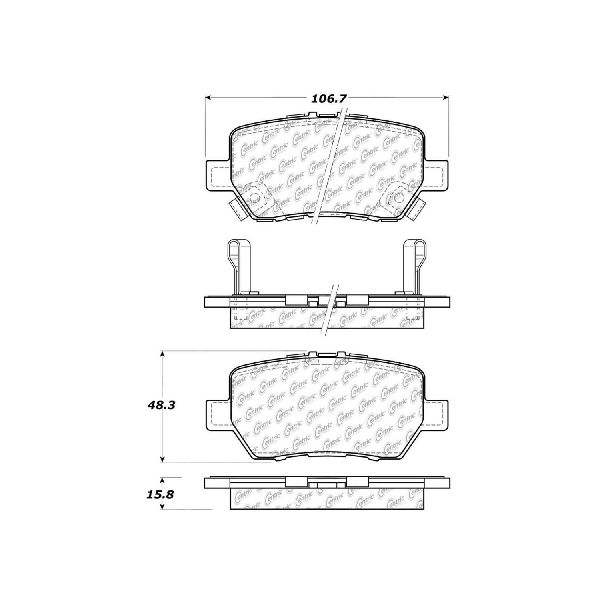
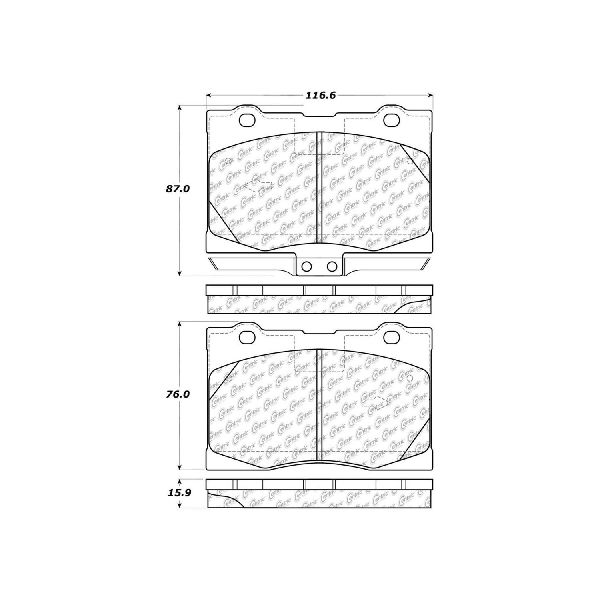
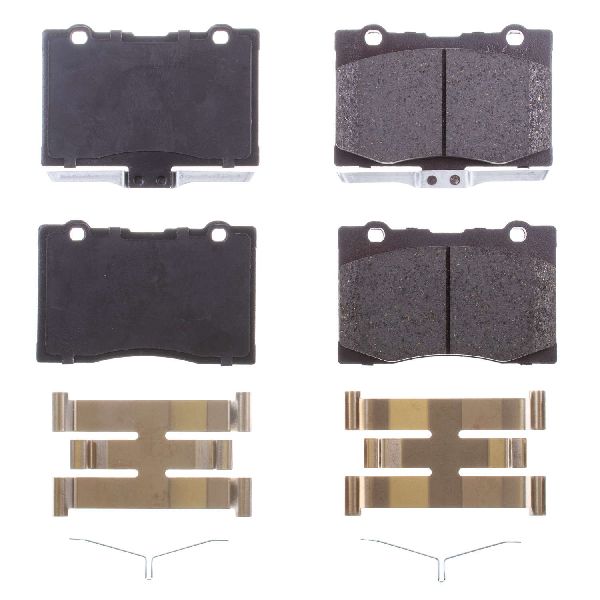
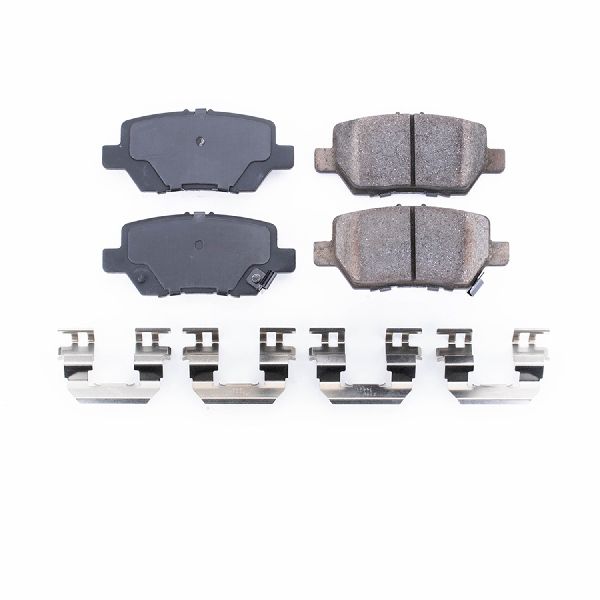
The 2006-2012 Acura RL uses four-piston fixed front calipers and single-piston floating rear calipers. Front pads are secured by pins and a retaining clip, while rear pads use a more conventional clip system within the caliper bracket. Most OEM and premium aftermarket pads are of a ceramic formulation.
We Have This Part in Stock
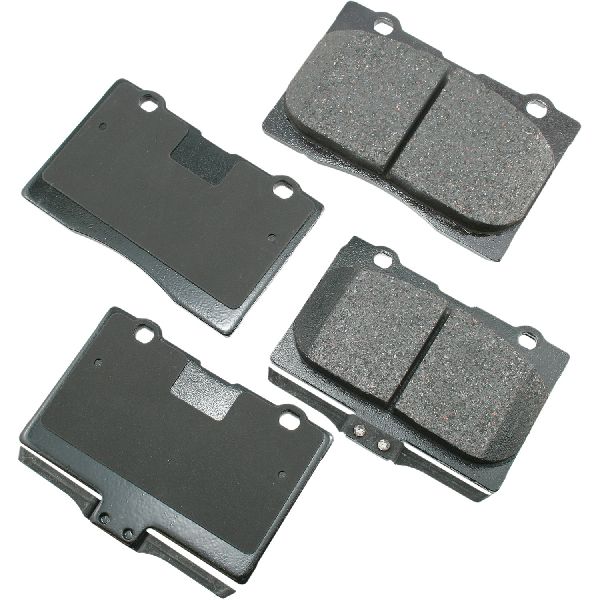
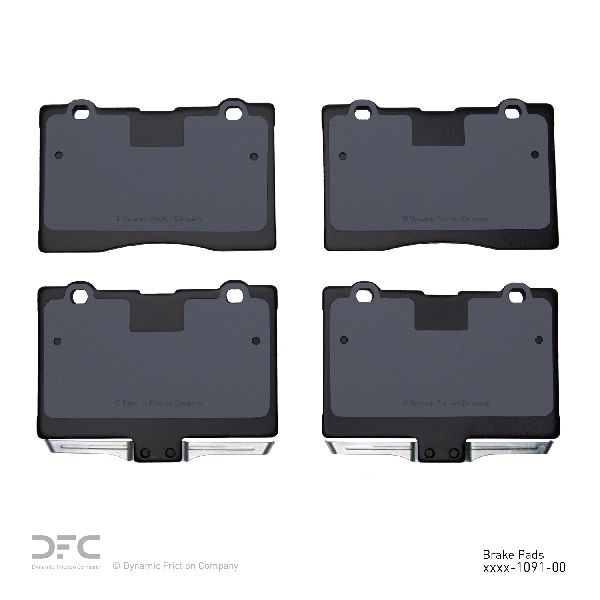

The information in this article is provided for general reference and educational purposes only. Vehicle specifications, procedures, and part compatibility can vary by production date, trim level, and region. Always consult your vehicle's factory service manual and verify part numbers before purchasing or performing repairs. Safety-critical components such as airbags, seat belts, and braking systems should be installed by a qualified professional.
- Acura RL:
- 🎬 Helpful Videos
- 🛍️ Shop This Part
- Symptoms of Worn Brake Pads
- Choosing the Right Aftermarket Brake Pads
- Tier 1: OEM Equivalent & Premium Daily
- Tier 2: Quality Daily Driver
- Tier 3: Performance & Sport Upgrade
- Vehicle-Specific Known Issues
- Pro Tip: Check Your Caliper Hardware
- Cost of Replacing Brake Pads on a 2006-2012 Acura RL
- Frequently Asked Questions
- 🎟️ Get 5% Off