

A Guide to Aftermarket Brake Pads for the 2006-2012 Audi A6
Solve common brake dust and noise issues by choosing the right aftermarket pads for your A6.
- The biggest complaint about OEM Audi pads is excessive brake dust; switching to a quality ceramic aftermarket brand like Akebono or ATE will significantly reduce this.
- Rear brake pad replacement requires a special scan tool (like VAG-COM) to retract the Electronic Parking Brake (EPB) motors.
- Always replace brake rotors and wear sensors when installing new pads for the best performance and to ensure the warning system works.
- For daily driving, low-dust ceramic pads are the best choice; for spirited driving, consider performance brands like Hawk or EBC.
Symptoms of Worn Brake Pads
Your Audi A6 is equipped with a brake pad wear sensor that will trigger a warning light on your dashboard when the pads are low. However, you might notice other signs first. Look out for a high-pitched squealing noise when you apply the brakes, which comes from a small metal indicator built into the pad. If you hear a deeper grinding sound, it means the pads are completely worn away, and the metal backing plate is damaging your brake rotors. Other symptoms include longer stopping distances or a pulsating or vibrating feeling in the brake pedal.
🎬 Watch: A visual guide to common brake pad failure symptoms.Choosing the Right Aftermarket Brake Pads for Your A6
When shopping for new brake pads, you have many choices. The biggest decision is often between sticking with an OEM-style pad or switching to a ceramic compound to address the most common complaint from A6 owners: excessive brake dust from the factory pads.
OEM vs. Aftermarket Quality
Original Equipment (OEM) pads, often made by brands like Textar or Pagid, provide excellent stopping power and a strong initial bite. However, they are known for producing a large amount of dark brake dust that quickly coats your wheels. Aftermarket pads offer a wider variety of options. Reputable aftermarket brands like Akebono, ATE, and Brembo can meet or exceed OEM quality, often with added benefits like reduced dust and noise. Avoid unbranded, extremely cheap pads, as they can compromise safety and performance.
Brand Recommendations by Tier
Your driving style is the most important factor when selecting a brand.
- Low-Dust Ceramic (Top Choice for Daily Driving): If you are tired of cleaning your wheels, ceramic pads are the best solution. They offer great stopping power for everyday use with significantly less dust and noise.
- Akebono: Highly recommended by A6 owners. They are known for being extremely quiet and low-dusting while providing a smooth, progressive pedal feel. Some drivers note a slightly less aggressive initial bite than OEM pads.
- ATE: ATE's ceramic pads are another excellent OEM-quality option that reduces dust and provides quiet, confident braking.
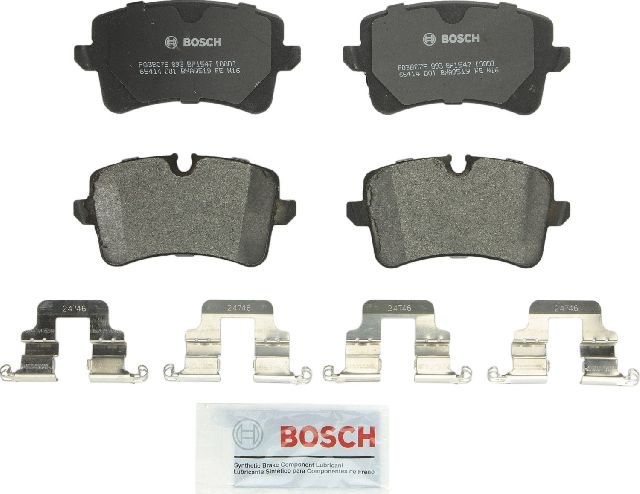
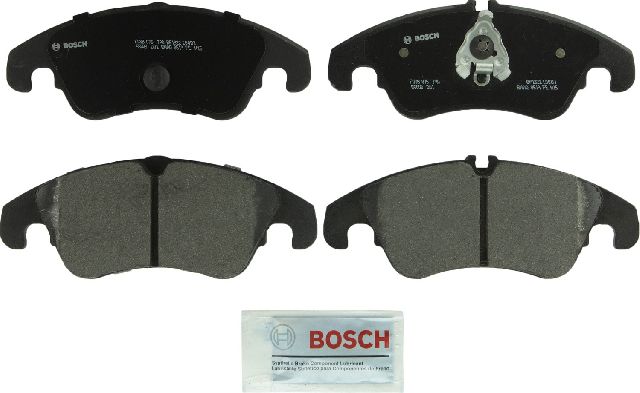
- Bosch: The QuietCast line is a popular ceramic option known for quiet operation and low dust.
- OEM-Equivalent (For Factory Feel): If you like the performance of your stock brakes and don't mind the dust, these brands often supply the original parts to Audi.
- Textar / Pagid: Choosing these brands ensures you get the same performance and feel as the day your car left the factory.
- Brembo: A top-tier brand known for performance. Their standard replacement pads offer reliable, OEM-level stopping power.
- Zimmermann: While famous for rotors, their pads are also high-quality and designed to match OEM specifications.
- Performance / Sport (For Spirited Driving): For drivers who demand more from their brakes and participate in spirited driving or occasional track days.
- Hawk Performance: The HPS (High Performance Street) series offers a noticeable step up in stopping power and fade resistance. Be aware that more aggressive compounds like HP+ can be noisy for daily use.
- EBC Brakes: EBC Redstuff pads are a ceramic-based performance option that offers better bite than stock with less dust. Yellowstuff pads provide even higher heat tolerance for street/track use but create more dust.
- StopTech: Their Sport pads (formerly Street Performance) are a popular entry-level performance choice, offering a good balance of bite, low dust, and low noise for aggressive street driving.
- Daily Driver / Value: These brands provide safe, reliable braking for normal commuting at an affordable price.
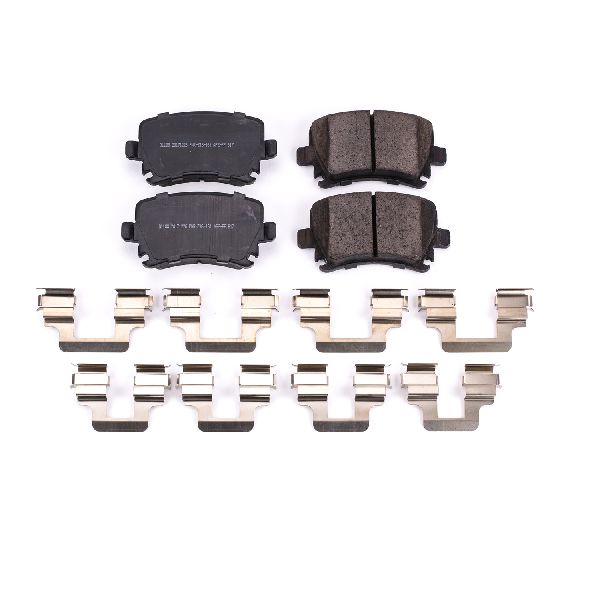
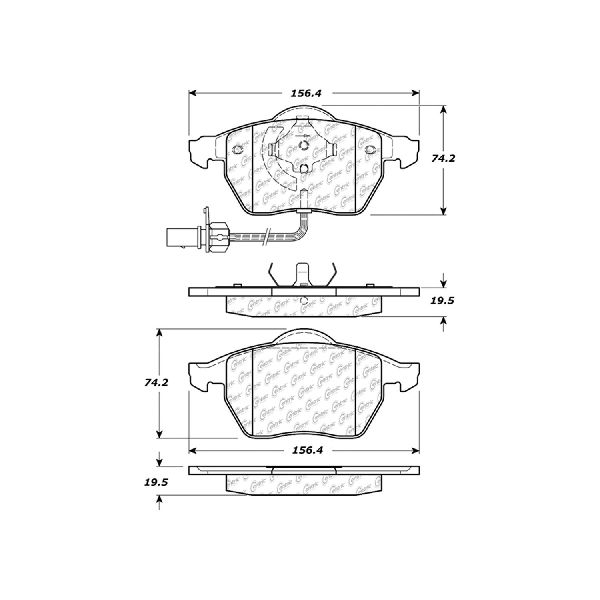
- Centric / Powerstop: Often sold as complete kits with rotors, these brands offer good value and reliable performance for everyday driving needs.
- Wagner / Raybestos: Long-standing, trusted brands in the aftermarket that offer dependable, budget-friendly options.
PRO TIP: Rear Brake Pad Replacement
The 2006-2012 Audi A6 is equipped with an Electronic Parking Brake (EPB). You cannot simply press the rear caliper pistons back to install new pads. You MUST use a compatible automotive scan tool (like VCDS/VAG-COM) to command the rear brake calipers into a service or maintenance mode. Attempting to force the pistons back manually will damage the expensive caliper motors. 🎬 See how to safely service rear brakes with an EPB. After the job is done, the tool is used again to close the calipers and recalibrate the system.
Frequently Asked Questions
Do I need to replace my brake rotors at the same time as the pads?
It is highly recommended. Installing new pads on old, worn, or grooved rotors can cause noise, vibration, and reduced pad life. For best performance and safety, always install new pads and rotors together. A common issue is uneven wear on the inner brake pad, so inspect both pads and the rotor surface carefully.
What is a brake pad wear sensor and do I need to replace it?
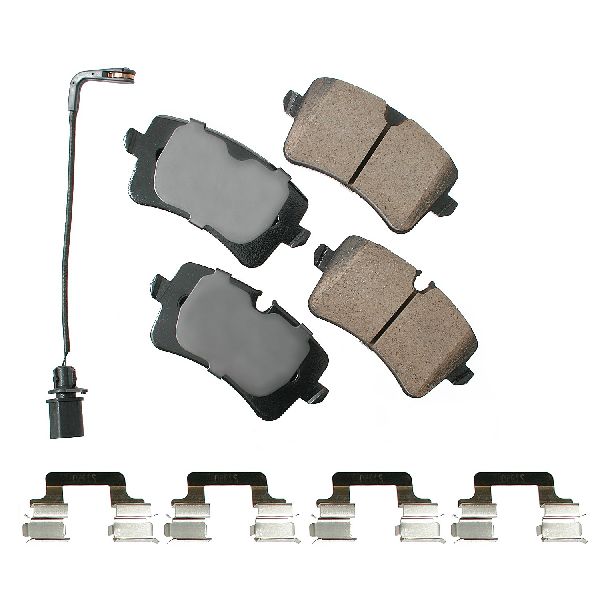
Your A6 uses electronic wear sensors, typically on the front-left and rear-right wheels. When the pad wears down, the sensor makes contact with the rotor, completes a circuit, and triggers the warning light on your dash. These sensors are destroyed in the process and are not reusable. You must replace the wear sensor with every brake pad change to ensure the warning system functions correctly. Most quality aftermarket pad sets include new sensors.
What's the difference between ceramic and semi-metallic pads?
Semi-metallic pads, like the OEM Audi pads, contain metal fibers. They offer a strong initial bite and great high-heat performance but are noisy and create a lot of dark, corrosive dust. Ceramic pads use dense ceramic material and other fibers. They are much quieter, produce a lighter-colored, less-adherent dust, and are gentler on brake rotors, making them a popular upgrade for luxury cars like the A6.
Why are my new brakes making a squealing noise?
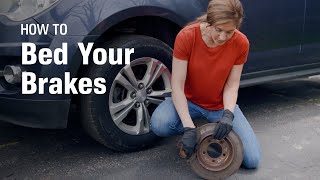
New brake noise is often caused by improper installation or failure to "bed-in" the pads. Ensure the caliper guide pins were cleaned and lubricated with high-temperature grease. Also, follow the manufacturer's break-in (or bedding) procedure, which typically involves a series of controlled stops to mate the new pad material to the rotor surface. 🎬 Watch this video to learn the proper brake bedding procedure. If noise persists, it could be due to a very aggressive pad compound or a hardware issue.
Helpful Videos
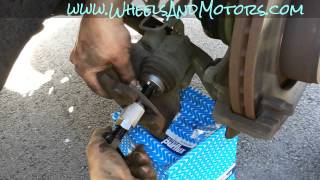
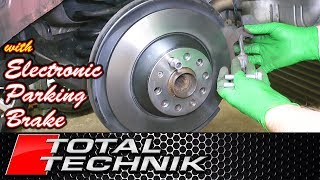
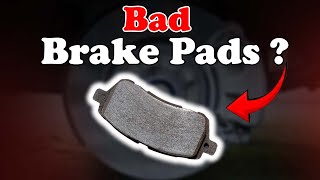
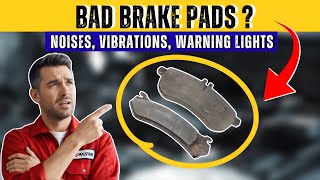
Technical Specifications
OEM Part Numbers: 4F0698151D 4F0698451F 8E0698151K 4F0698151B
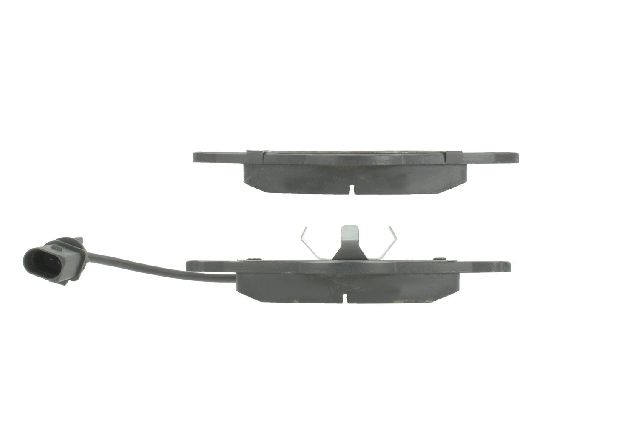
Brake pad replacement on the rear axle requires an electronic diagnostic tool to retract the Electronic Parking Brake (EPB). Front and rear pads are equipped with electronic wear sensors that must be replaced with the pads.
We Have This Part in Stock

The information in this article is provided for general reference and educational purposes only. Vehicle specifications, procedures, and part compatibility can vary by production date, trim level, and region. Always consult your vehicle's factory service manual and verify part numbers before purchasing or performing repairs. Safety-critical components such as airbags, seat belts, and braking systems should be installed by a qualified professional.
- Audi A6: