

A Ford Escape Owner's Guide to HVAC Heater Hose Replacement (2006-2012)
Losing heat or finding coolant puddles? Your HVAC heater hose might be the problem.
- A leaking heater hose is a common age-related failure; symptoms include coolant leaks, a sweet smell, no cabin heat, and potential engine overheating.
- Do not drive an overheating vehicle; pull over immediately to prevent catastrophic engine damage.
- For best results, choose an OEM (Motorcraft) or a premium aftermarket brand like Gates or Dayco for a reliable fit and long service life.
- Always replace hose clamps with the hose and inspect plastic connectors for brittleness, as they often need replacement as well.
Is Your 2006-2012 Ford Escape's Heater Hose Failing?
Heater hoses on the 2006-2012 Ford Escape are made of durable rubber, but after years of exposure to high temperatures and engine chemicals, they will eventually wear out. Failures are most common from simple aging, leading to cracks, swelling, or weak spots that cause leaks. While there are no widespread recalls for this specific part on this generation, coolant leaks are a known issue for these vehicles. Ignoring a failing heater hose can lead to bigger problems, including engine overheating, which can cause severe engine damage.
Key Symptoms of a Bad Heater Hose
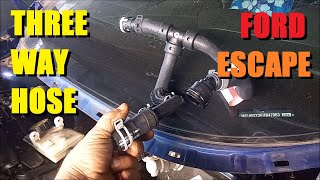
- Coolant Leaks: Puddles of orange or green fluid under your Escape, especially towards the back of the engine bay, 🎬 See this walkthrough of a common three-way heater hose leak. are a tell-tale sign. You might also see white or colored residue on the hoses themselves.
- Sweet Smell: A distinct, sweet smell inside the cabin or around the engine is the scent of leaking antifreeze.
- No Cabin Heat: If a hose is blocked or has a major leak, not enough hot coolant can reach the heater core, leaving you with lukewarm or cold air from the vents.
- Engine Overheating: A significant leak will cause your engine's temperature gauge to rise. This is a serious condition that requires you to stop driving as soon as it's safe to do so.
- Foggy Interior Windows: If a leak occurs near the firewall, coolant vapor can enter the cabin and condense on the inside of your windshield and windows.
Warning: Do Not Ignore Overheating
If your temperature gauge enters the red zone, pull over and shut off the engine immediately. Driving with an overheating engine can lead to a cracked engine block or other catastrophic failures, resulting in repairs that cost thousands of dollars.
Choosing the Right Aftermarket Heater Hose
When shopping for a replacement, you'll find OEM (Motorcraft) and various aftermarket brands. For a part this critical to your engine's health, quality matters more than saving a few dollars.
Brand Quality Tiers
- OEM - Motorcraft: This is the original part your Escape was built with. It guarantees a perfect fit and is made to Ford's specifications. Some Motorcraft hoses even come with pre-positioned clamps, which can make installation easier. It is often the most expensive option.
- Premium Aftermarket - Gates, Dayco, Continental: These brands are well-respected and often supply parts directly to automakers. Gates, particularly their "Green Stripe" line, is known for being a heavy-duty, reliable choice. Dayco and Continental are also considered excellent alternatives that provide OEM-level quality and fit, often at a lower price.
- Standard Aftermarket - ACDelco and Store Brands: While ACDelco is a major parts manufacturer, it's more associated with GM vehicles. These hoses will work, but for a Ford, sticking with brands known for their Ford applications like Gates or Dayco is often a better bet.
Pro Tip: Replace Clamps and Check Connectors
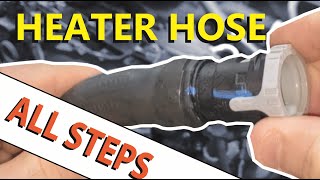
Always use new hose clamps when replacing a heater hose. The old ones can lose their tension over time. Also, inspect any plastic quick-connect fittings at the firewall. They can become brittle with age and may need to be replaced to ensure a leak-free seal. A special tool can make removing these connectors much easier and reduce the risk of breaking them.
🎬 Watch: How to easily remove Ford quick-connect heater hose fittings.Cost to Replace a Ford Escape Heater Hose
The cost can vary significantly based on which hose needs replacing and the labor involved. Some hoses are easy to access, while others require removing parts like the wiper cowl or air intake box.
| Part / Service | Estimated Cost |
|---|---|
| New Aftermarket Part | $12 - $95 |
| New OEM (Motorcraft) Part | $40 - $250+ |
| Shop Labor | $95 - $285 |
| Total Professional Replacement | $110 - $535+ |
Frequently Asked Questions
Can I replace the heater hose myself?
For an experienced DIY mechanic, this is a manageable job. However, access can be very tight, especially for the hoses connecting to the heater core at the firewall. If you are not comfortable draining coolant, working in tight spaces, or dealing with potentially brittle plastic parts, it's best to leave this job to a professional.
My heat is blowing, but it's not warm. Is it the heater hose?
It could be. A blocked or leaking heater hose can prevent hot coolant from reaching the heater core. However, the problem could also be a stuck thermostat, air trapped in the cooling system, or a faulty blend door actuator that isn't directing air across the heater core.
🎬 Watch: A simple DIY fix if your heat isn't working.How many heater hoses does my Ford Escape have?
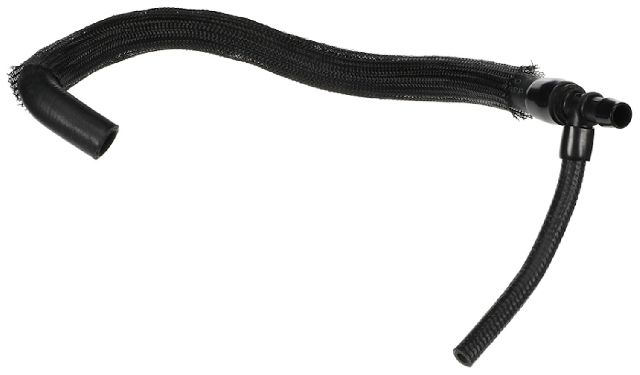
Most systems have at least two primary hoses: an inlet and an outlet for the heater core. However, depending on your engine (2.3L, 3.0L, or Hybrid) and specific configuration, there may be more complex assemblies with multiple branches. It's essential to identify the exact hose that has failed before ordering a replacement.
Should I use a stop-leak product for a leaking heater hose?
Stop-leak products should only be considered a temporary, emergency fix to get you to a repair shop. They are not a permanent solution for a failing hose. These products can potentially clog other parts of your cooling system, including the radiator and the heater core itself, leading to more expensive repairs down the road.
Helpful Videos
Technical Specifications
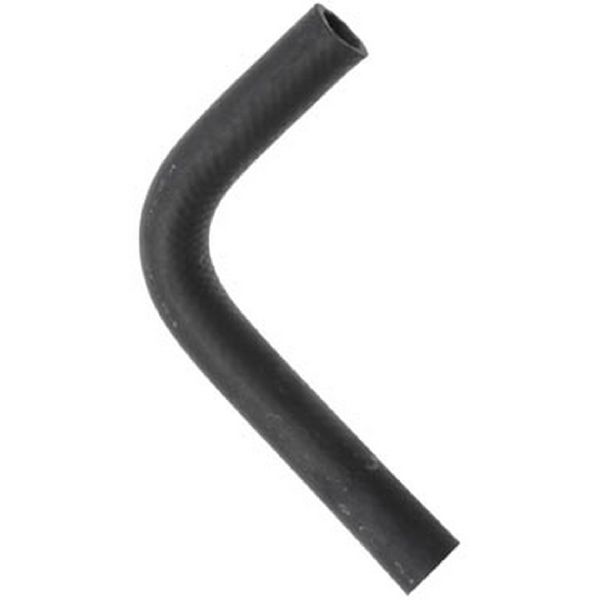
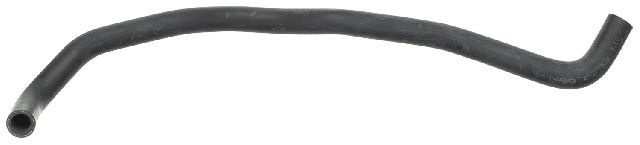
OEM Part Numbers: KH126 KH124
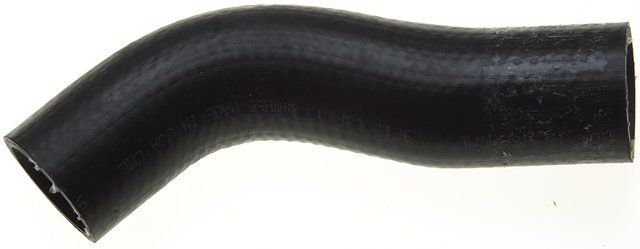
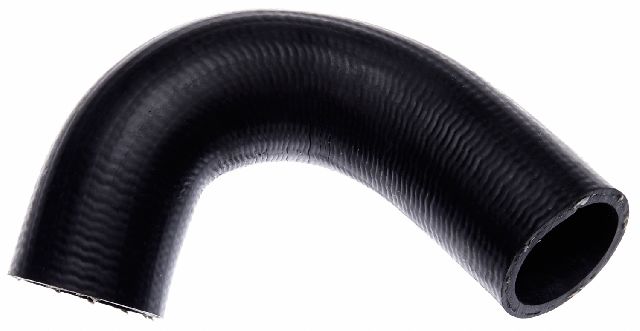
Hoses are vehicle-specific and often pre-molded to fit the exact routing in the engine bay. Materials are typically EPDM rubber designed to resist heat and coolant chemicals. Connections may use standard spring/worm clamps or plastic quick-connect fittings at the firewall.
We Have This Part in Stock

The information in this article is provided for general reference and educational purposes only. Vehicle specifications, procedures, and part compatibility can vary by production date, trim level, and region. Always consult your vehicle's factory service manual and verify part numbers before purchasing or performing repairs. Safety-critical components such as airbags, seat belts, and braking systems should be installed by a qualified professional.
- Ford Escape:
- 🎬 Helpful Videos
- 🛍️ Shop This Part
- Is Your 2006-2012 Ford Escape's Heater Hose Failing?
- Key Symptoms of a Bad Heater Hose
- Warning: Do Not Ignore Overheating
- Choosing the Right Aftermarket Heater Hose
- Brand Quality Tiers
- Pro Tip: Replace Clamps and Check Connectors
- Cost to Replace a Ford Escape Heater Hose
- Frequently Asked Questions
- 🎟️ Get 5% Off