

A Guide to Oxygen Sensor Replacement for the 2006-2012 Ford F-350 Super Duty
Diagnose and replace your F-350's oxygen sensors to restore fuel economy and engine performance.
- Your F-350 likely has four oxygen sensors, but you must verify before ordering.
- For best results, choose aftermarket brands known to be OEM suppliers for Ford, like NTK or Denso.
- A bad O2 sensor will decrease fuel economy and can eventually damage your expensive catalytic converters.
- Use a special slotted oxygen sensor socket and penetrating oil to make removal easier and avoid damaging the new part.
Is Your F-350's Oxygen Sensor Failing?

A bad oxygen sensor can cause noticeable problems in your truck. Because these sensors directly impact your engine's air-to-fuel ratio, a failure often leads to poor performance and can cause damage to other expensive components, like the catalytic converter, if ignored.
Key Failure Symptoms:
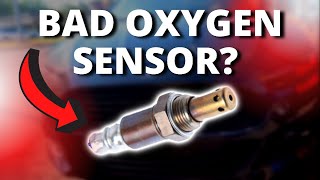
🎬 Watch this video to see common symptoms of a bad sensor.- Check Engine Light: This is the most common sign. A code scanner will often point to a specific sensor or a fuel mixture problem (lean or rich).
- Reduced Fuel Economy: One of the most reported symptoms is a sudden and significant drop in MPG. Your engine's computer may default to a rich fuel mixture to be safe, wasting gas.
- Rough Idle and Misfires: Your truck might shake at idle, stumble, or hesitate when you try to accelerate.
- Rotten Egg Smell: A strong smell of sulfur from the exhaust indicates a very rich fuel mixture, which can be caused by a faulty sensor and can quickly damage the catalytic converter.
Don't Ignore a Failing Sensor
While your truck will still drive with a bad O2 sensor, it's not a good idea to ignore it. Continued driving with a bad sensor leads to wasted fuel, poor performance, and can cause the catalytic converter to overheat and fail, a much more expensive repair.
Choosing the Right Aftermarket Oxygen Sensor

When shopping for a new oxygen sensor, you'll find many brands. For your 2006-2012 F-350, sticking to proven brands is a smart move. While OEM Motorcraft parts are a safe bet, several aftermarket brands provide OEM quality or better.
Brand Quality Tiers for Your F-350
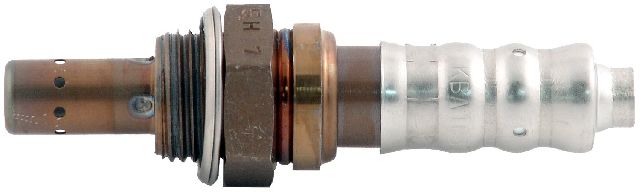
- Tier 1 (OEM or Equivalent): NGK/NTK & Denso. These brands are often the original equipment manufacturers for Ford. Forum users across the web consistently recommend NTK and Denso for their reliability and direct-fit performance in Ford trucks. Choosing one of these is the safest aftermarket bet.
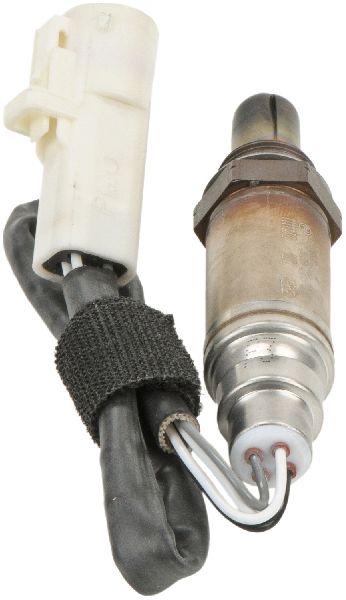
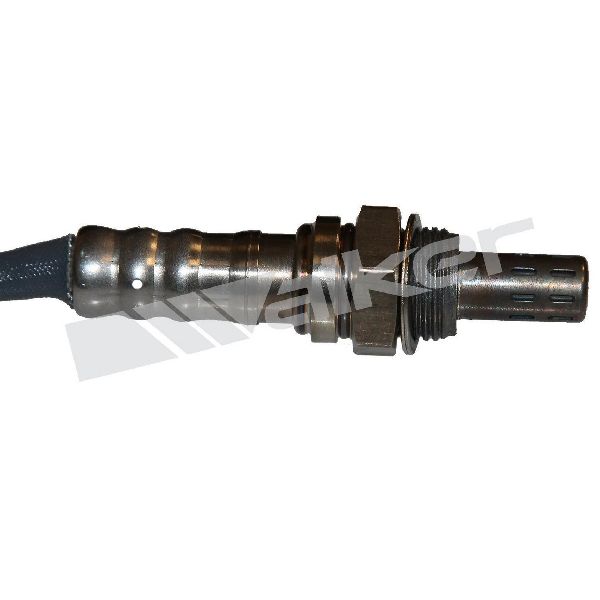
- Tier 2 (Reputable Aftermarket): Bosch & Walker Products. Bosch is a massive sensor manufacturer, but their aftermarket sensors sometimes get mixed reviews in Ford communities, with some users describing them as less responsive or "lazy" compared to NTK. Walker is a well-known exhaust and emission parts company. These are generally reliable but may not be the top choice for purists.
- Tier 3 (Budget-Friendly): DriveWire & Other Store Brands. These are the most affordable options. While they can work, their longevity and precision may not match the higher-tiered brands. For a critical sensor like this, it's often worth spending a little more for a Tier 1 or Tier 2 brand to avoid doing the job twice.
Pro Tip: Upstream vs. Downstream
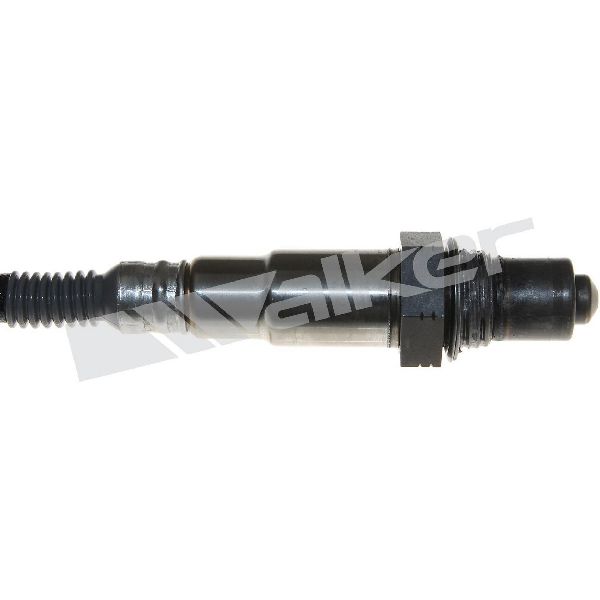
Upstream and downstream sensors are not interchangeable. The upstream sensors (also called Air/Fuel Ratio sensors) are more complex and typically more expensive than the downstream sensors. Always verify the correct position for the part you are buying.
Known Issues, Recalls, and TSBs
Searches for official recalls and Technical Service Bulletins (TSBs) for the 2006-2012 F-350 Super Duty's gas engines show no widespread issues for the oxygen sensors themselves. One recall (13S10) was issued for 2011-2012 diesel ambulance packages for an *exhaust gas temperature sensor*, which is a different part. The most common issues reported by owners are standard failures due to age, mileage, and contamination.
Cost of Replacing an Oxygen Sensor
| Part Type | Estimated Cost (Per Sensor) |
|---|---|
| New Aftermarket (Your Price Range) | $39.21 - $129.74 |
| New OEM (Motorcraft) | $70 - $150+ |
| Shop Labor | $100 - $250 (per hour, may vary) |
Frequently Asked Questions

How many oxygen sensors does my 2006-2012 F-350 have?
It depends on your truck's specific emissions configuration. Most gas-engine F-350s from this era have four sensors: two upstream (before the cats) and two downstream (after the cats). However, some trucks built for "Federal" emissions standards may only have the two upstream sensors. You must visually inspect your exhaust system to be certain before ordering parts.
🎬 Watch: Locate your F-350's oxygen sensors and other emission components.What's the difference between upstream and downstream sensors?
Upstream sensors (Bank 1, Sensor 1 and Bank 2, Sensor 1) are the primary sensors used by the engine computer to control the air-fuel mixture. Downstream sensors (Bank 1, Sensor 2 and Bank 2, Sensor 2) primarily monitor the efficiency of the catalytic converters. If you have a code for a downstream sensor, it could mean the sensor is bad, or it could be correctly reporting that your catalytic converter is failing.
Can I just clean my old oxygen sensor?
While some people attempt it, cleaning an O2 sensor is not a reliable or recommended repair. Contaminants that cause a sensor to fail often penetrate the sensor's element, and cleaning the exterior won't fix the internal problem. Replacement is the only guaranteed solution.
What special tools do I need for the replacement?
A special oxygen sensor socket is highly recommended. This socket has a slot down the side to accommodate the sensor's wire. Using a standard deep socket can damage the wire. You will also likely need a breaker bar for leverage and a generous amount of penetrating oil to loosen the old, seized sensor from the exhaust pipe.
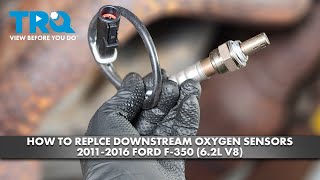
🎬 See this walkthrough for replacing downstream sensors on your truck.Helpful Videos

Technical Specifications
Part numbers vary significantly by engine (5.4L, 6.8L, 6.2L), model year, and sensor position (upstream/downstream, left/right). Always confirm fitment with your vehicle's VIN. Most sensors use a standard M18x1.5 thread and require a 22mm (or 7/8 inch) wrench or O2 sensor socket.
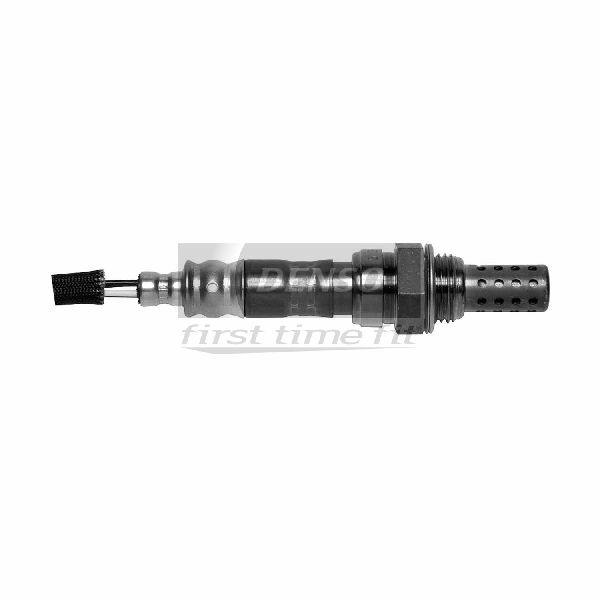
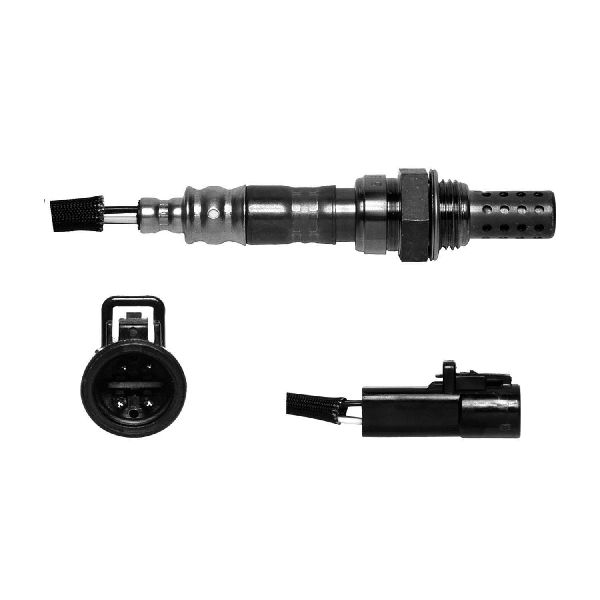
We Have This Part in Stock

The information in this article is provided for general reference and educational purposes only. Vehicle specifications, procedures, and part compatibility can vary by production date, trim level, and region. Always consult your vehicle's factory service manual and verify part numbers before purchasing or performing repairs. Safety-critical components such as airbags, seat belts, and braking systems should be installed by a qualified professional.
- Ford F-350 Super Duty:
- 🎬 Helpful Videos
- 🛍️ Shop This Part
- Is Your F-350's Oxygen Sensor Failing?
- Key Failure Symptoms:
- Don't Ignore a Failing Sensor
- Choosing the Right Aftermarket Oxygen Sensor
- Brand Quality Tiers for Your F-350
- Pro Tip: Upstream vs. Downstream
- Known Issues, Recalls, and TSBs
- Cost of Replacing an Oxygen Sensor
- Frequently Asked Questions
- 🎟️ Get 5% Off