

A Ford Mustang Owner's Guide to the Throttle Position Sensor (2006-2012)
Solve hesitation, stalling, and rough idle issues on your S197 Mustang by understanding its throttle position sensor.
- Before replacing, clean the throttle body to remove sludge, as noted in TSB 12-8-1 for early models.
- Ford may sell the entire throttle body, but aftermarket brands offer the sensor separately for a much lower cost.
- For best results and to avoid future issues, using the OEM Motorcraft brand is highly recommended for this electronic part.
- Replacement is a simple DIY job that requires basic tools and less than an hour.
Is Your Mustang Stalling or Hesitating?

A failing Throttle Position Sensor (TPS) can cause a wide range of frustrating engine problems. Because the TPS provides such critical data to your Mustang's computer, even a small glitch can make the car run poorly. You might notice the car hesitates when you press the gas, idles roughly, or even stalls completely. In some cases, the car may go into a low-power "limp mode" to protect the engine, which can be a serious safety concern.
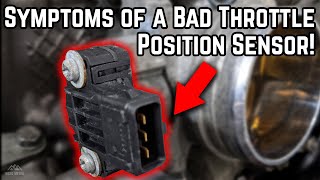
🎬 Watch: Common symptoms of a failing throttle position sensorA Note on Throttle Body Issues (TSB 12-8-1)
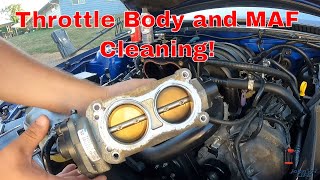
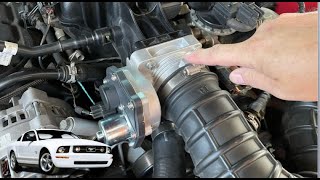
For 2005-2006 Mustangs, Ford issued a Technical Service Bulletin (TSB 12-8-1) related to throttle issues. It notes that sludge buildup inside the throttle body can cause idle fluctuations, hard starts, and throw error codes like P2111 and P2112. Before replacing the sensor, it is highly recommended to inspect and clean your throttle body with a dedicated throttle body cleaner. 🎬 See how to properly clean your Mustang's throttle body This simple maintenance step can sometimes resolve the issue without needing a new part.
Choosing the Right Aftermarket TPS

One of the most important things to know is that Ford often considers the TPS to be part of the entire throttle body assembly. This means a Ford dealer may only sell you the complete, expensive unit. However, the aftermarket offers the sensor by itself, allowing for a much cheaper repair. Here’s a breakdown of the brands available:
Brand Quality Tiers
- OEM (Motorcraft): For critical electronic sensors, using the original factory part is almost always the safest bet. Motorcraft is Ford's own brand. Many Mustang owners and mechanics strongly recommend sticking with Motorcraft to ensure perfect compatibility and avoid the headaches that can come with lower-quality electronics.
- Premium Aftermarket (Standard Ignition, NGK): Brands like Standard Ignition and NGK have a solid reputation for producing reliable electronic components that meet or exceed OEM standards. They are a good alternative if Motorcraft is unavailable or you're looking for a high-quality part with a strong warranty.
- Standard Aftermarket (Walker Products): Walker is a well-known aftermarket manufacturer that produces a huge range of parts. They state their sensors are 100% tested and engineered to OE specs. They represent a good balance of value and quality for a daily driver.
- Economy Aftermarket (URO Parts, Global Parts, True Tech, Replacement): These brands focus on providing the most affordable options. While they can get your car back on the road, they may not have the same long-term durability or precise calibration as premium brands. Some users report issues with fit or longevity with budget-tier electronic parts.
Pro Tip: When replacing just the sensor, be careful with the small screws holding it to the throttle body. They often have thread locker from the factory and can be difficult to remove without stripping. Applying a small amount of heat from a propane torch can help loosen them.
Cost to Replace a Mustang Throttle Position Sensor
| Part Type | Estimated Cost |
|---|---|
| New Aftermarket Sensor | $56.80 - $112.42 |
| New OEM (Motorcraft) Sensor | $90 - $150+ |
| Shop Labor | $80 - $150 |
Frequently Asked Questions

Is the TPS on my Mustang part of the throttle body?
From the factory, Ford often treats the sensor and throttle body as one unit. That's why aftermarket companies sell the sensor separately. If a mechanic tells you the whole throttle body must be replaced, know that replacing just the sensor is a common and accepted repair.
Do I need to program or calibrate a new TPS?
For the 2006-2012 Mustang, the TPS is not adjustable like on older cars. However, after installation, it's a good practice to perform a throttle relearn procedure. This can usually be done by disconnecting the battery for 30 minutes, reconnecting it, turning the key to the 'On' position (without starting), slowly pressing the gas pedal to the floor and releasing it, then turning the key off before starting the engine.
🎬 Watch: Different ways to perform a throttle relearn procedureCan I just clean my old sensor?
No, the sensor itself is a sealed electronic component and cannot be cleaned. You should, however, clean the throttle body bore and plate where carbon and sludge build up, as this can cause symptoms similar to a bad TPS.
Why do so many people recommend using a Motorcraft sensor?
Modern engine computers are extremely sensitive to the signals they receive from sensors. A cheap aftermarket sensor might not provide a signal that is as clean or precise as the original, leading to persistent, hard-to-diagnose performance issues. Using the OEM Motorcraft part eliminates this variable.
Helpful Videos
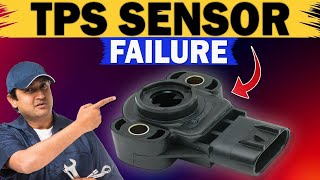



Technical Specifications
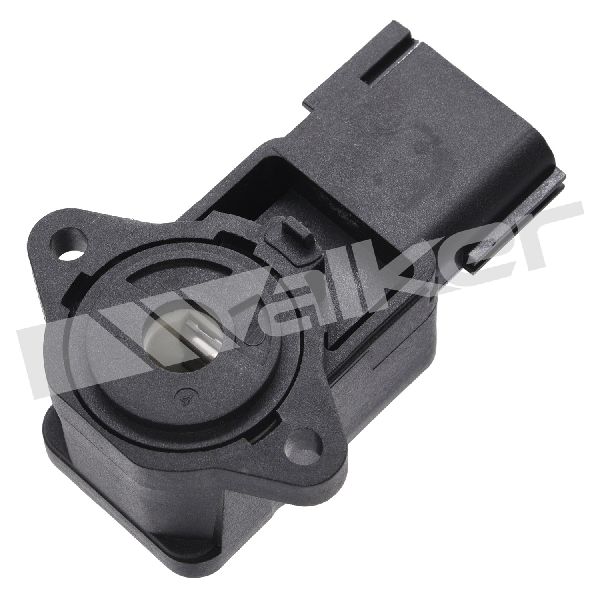
OEM Part Numbers: 8L8Z9E928A 6L2Z9E928A
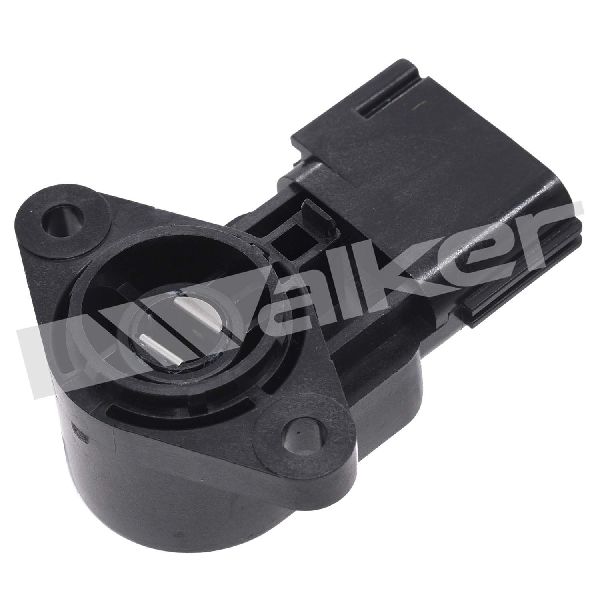
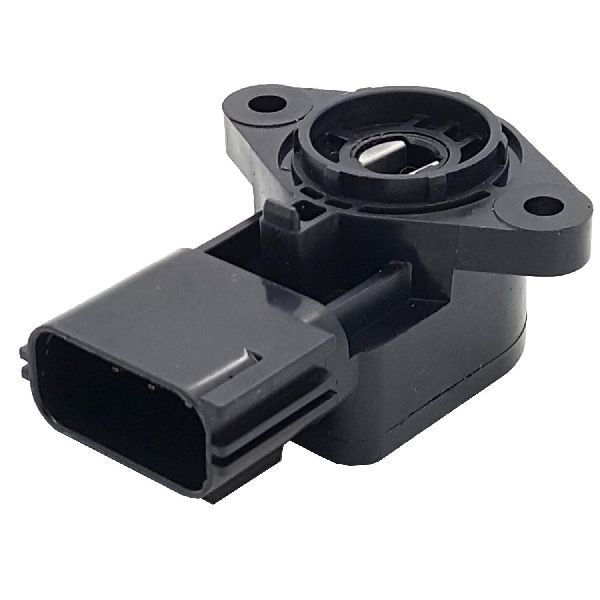
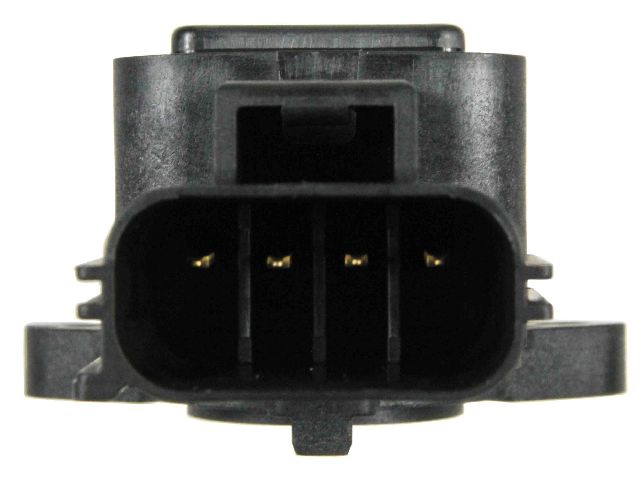
Electronic sensor mounted to the throttle body, typically with a 4-pin rectangular connector.
We Have This Part in Stock


The information in this article is provided for general reference and educational purposes only. Vehicle specifications, procedures, and part compatibility can vary by production date, trim level, and region. Always consult your vehicle's factory service manual and verify part numbers before purchasing or performing repairs. Safety-critical components such as airbags, seat belts, and braking systems should be installed by a qualified professional.
- Ford Mustang: