

A Guide to Replacing Rear Drum Brake Shoes on Your 2006-2012 Kia Rio
Fix that grinding noise, spongy pedal, or weak parking brake by choosing the right new drum brake shoes.
- Symptoms of failure include grinding noises, a loose parking brake, and a spongy brake pedal.
- Always replace brake shoes as a set for both rear wheels and install a new hardware kit.
- New shoes must be manually adjusted with a brake spoon after installation for proper pedal feel and performance.
- Check if your Rio is affected by important safety recalls for the HECU (fire risk) and brake light switch.
Is It Time for New Brake Shoes?

The rear drum brake shoes on your Kia Rio are designed to wear out over time. Ignoring the warning signs can lead to reduced stopping power and more expensive repairs. Watch for these common symptoms of failure.
- Scraping or Grinding Noises: A loud scraping or grinding sound from the rear wheels when you brake is a critical sign. This usually means the friction material is completely gone, and the metal shoe is grinding against the metal drum, causing damage.
- Reduced Braking Power: If you notice your Rio takes longer to stop, or the brake pedal feels soft and spongy, the shoes may be too worn to create enough friction.
- Loose Parking Brake: A parking brake that doesn't hold the car securely, or a handle that pulls up much higher than it used to, indicates the shoes are worn down.
- Vibrating Brake Pedal: While often related to front rotors, severe wear or heat damage to the rear drums and shoes can sometimes cause vibrations in the brake pedal.
Important Vehicle Safety Information
While searching for brake issues, be aware of two significant safety recalls for this generation of Kia Rio that are NOT related to the brake shoes but are critical for your safety.
- HECU Fire Risk Recall: Certain 2012-2017 Kia Rio models were recalled for a Hydraulic Electronic Control Unit (HECU) that could short circuit, increasing the risk of an engine compartment fire while parked or driving.
- Brake Light Switch Recall: Many 2006-2011 Rio models were recalled for a faulty brake light switch that could cause the brake lights to fail.
Contact a Kia dealership with your VIN to see if your car is affected and if the free recall work has been completed.
Choosing the Right Aftermarket Brake Shoes

You don't need to buy parts from the dealer to get good quality. Aftermarket brands often provide excellent performance, sometimes exceeding the original parts. For a daily driver like the Rio, a quality standard replacement is more than enough. All the brands listed are reputable and will perform well for normal driving.
Brand Tiers for Your Rio
- Daily-Driver Reliability (Good): Brands like Bendix, Centric, and Wagner Brakes are industry standards. They produce reliable, quiet, and long-lasting shoes that are a perfect replacement for the original parts. You can't go wrong with any of these for everyday use.
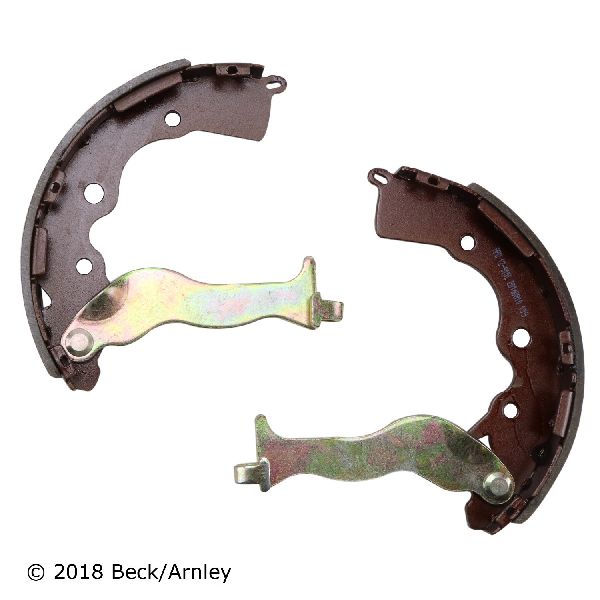
- OEM-Style Fit (Better): Beck Arnley specializes in sourcing parts that closely match the original equipment's fit, form, and function. They are a great choice if you want a part that is virtually identical to what the car came with from the factory.
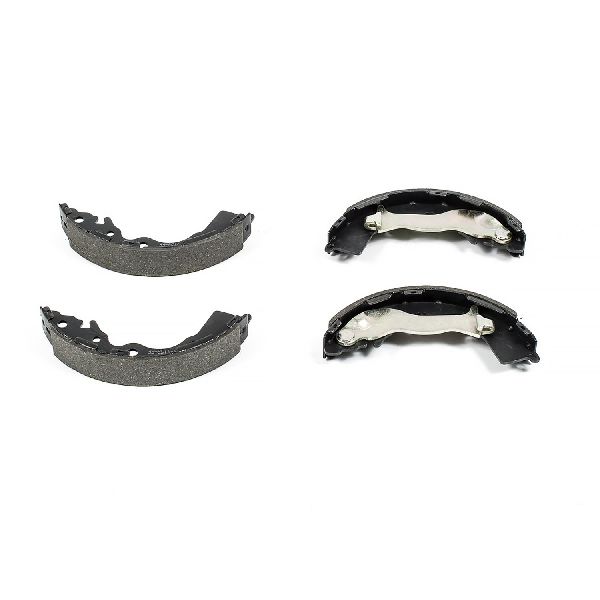
- Performance/Kit Options (Best): Powerstop often markets their shoes as an upgrade over stock, sometimes including them in kits with new drums and hardware. Their shoes are typically post-cured for better performance and may use semi-metallic compounds for increased braking power.
Pro Tip: Always buy a new drum brake hardware kit when replacing your shoes. The springs, clips, and pins are exposed to heat and stress, and they lose their tension over time. A new hardware kit ensures your new shoes operate correctly and quietly.
Cost to Replace 2006-2012 Kia Rio Drum Brake Shoes

| Part/Service | Estimated Cost |
|---|---|
| New Aftermarket Brake Shoes (DIY) | $46.51 - $68.99 |
| New OEM Brake Shoes (DIY) | $75 - $90 |
| Shop Labor Cost | $120 - $250 |
| Total Professional Replacement | $170 - $320 |
Cost estimates are for parts and labor and do not include taxes, shop fees, or the cost of related parts like drums or wheel cylinders.
Frequently Asked Questions

Do I need to replace the brake drums at the same time?
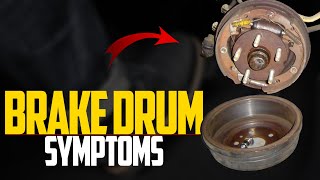
You should always inspect the drums when you replace the shoes. 🎬 See how to professionally inspect your drum brakes for wear. If the inner surface has deep grooves, a noticeable lip on the edge, or signs of heat damage (blue spots), you should replace them. It is generally recommended to replace or resurface the drums to give the new shoes a smooth, flat surface to bed into.
What other parts should I replace with the brake shoes?
It is highly recommended to replace the drum brake hardware kit. These kits are inexpensive and contain all the new springs and clips that hold the shoes in place. You should also inspect the wheel cylinders (the small hydraulic parts that push the shoes out) for any signs of brake fluid leakage. If a leak is present, the wheel cylinder must be replaced.
How are the new brake shoes adjusted?
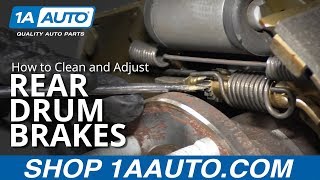
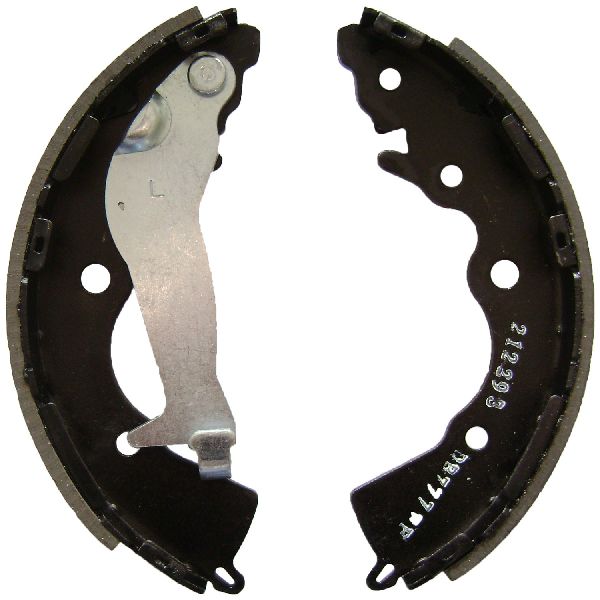
While drum brakes have a "self-adjusting" mechanism, they must be manually adjusted immediately after installation. This is done by turning a small star wheel adjuster with a brake spoon or flathead screwdriver through an access slot on the backing plate. You adjust the shoes outward until you feel a slight, consistent drag when turning the drum by hand. 🎬 Watch this guide on how to properly adjust your brakes. Failure to do this will result in a low, spongy pedal and poor brake performance.
Is replacing drum brake shoes a good DIY job?
For a DIYer with some experience, yes. However, it is more complex than changing disc brake pads. Drum brakes have numerous springs and clips that must be removed and reinstalled in a specific order. Special tools like brake spring pliers and a brake spoon are highly recommended. If you are new to auto repair, it may be best to watch a few tutorial videos or have a professional handle the job.
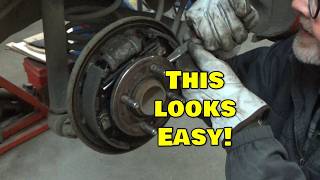
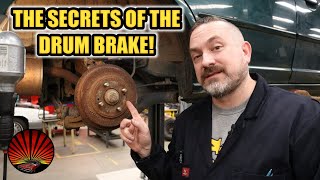
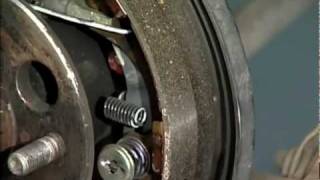
🎬 Watch this step-by-step walkthrough of a rear drum brake replacement.Helpful Videos
Technical Specifications
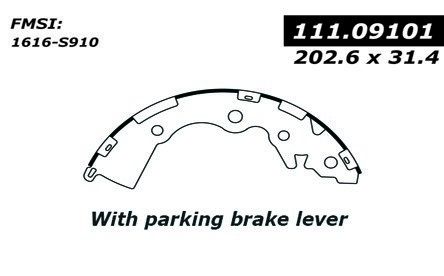
OEM Part Numbers: 58315FDA01 58315FDA00 583501GA00 583051GA00
This part is for the rear axle with drum brakes. Most 2006-2012 Kia Rio models came with rear drums, but it is always best to visually confirm before ordering parts.
We Have This Part in Stock


The information in this article is provided for general reference and educational purposes only. Vehicle specifications, procedures, and part compatibility can vary by production date, trim level, and region. Always consult your vehicle's factory service manual and verify part numbers before purchasing or performing repairs. Safety-critical components such as airbags, seat belts, and braking systems should be installed by a qualified professional.
- Kia Rio: