

A Guide to Air/Fuel Ratio Sensors for the 2006-2012 Lexus GS300
Having issues with your check engine light or poor fuel economy? Your Air/Fuel Ratio Sensor might be the culprit.
- The 2006 GS300 has a unique direct-injection engine prone to specific fuel-related issues that can be misdiagnosed as a simple sensor failure.
- Your GS300 has two upstream Air/Fuel Ratio sensors and two downstream oxygen sensors; it's crucial to diagnose the correct one.
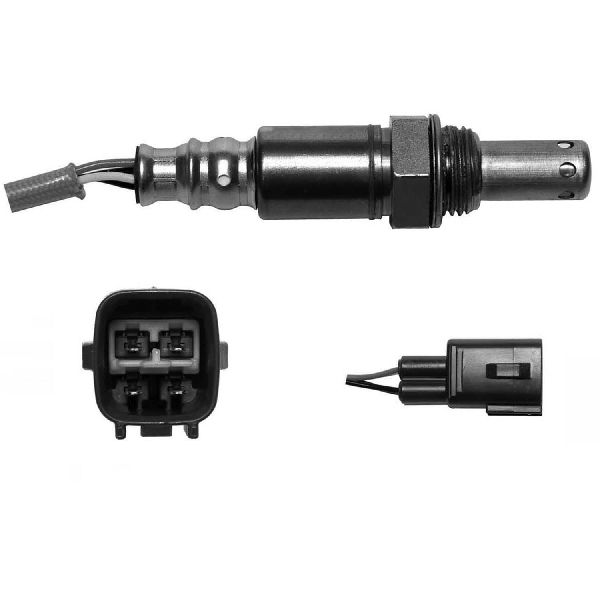
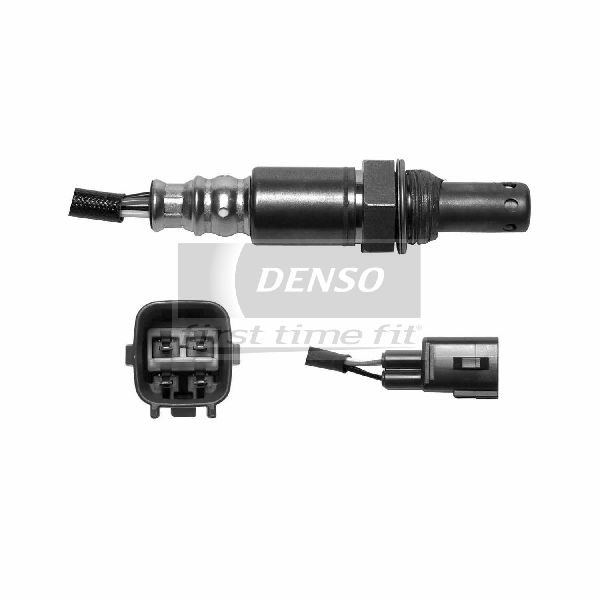
- Denso is the Original Equipment Manufacturer (OEM) and is the highly recommended brand for replacement to ensure compatibility and longevity.
- Avoid using universal sensors that require wire splicing, as they often cause performance issues on this vehicle.
Understanding Air/Fuel Ratio Sensor Failure in Your GS300
When an Air/Fuel Ratio (A/F) sensor in your 2006-2012 Lexus GS300 begins to fail, it can cause a variety of noticeable problems. These sensors are more advanced than traditional oxygen sensors and play a direct role in how your engine performs. Because they are a primary input for fuel control, a faulty sensor can lead to poor gas mileage, a rough idle, and a lit-up check engine light on your dashboard. Ignoring these symptoms can sometimes lead to more expensive repairs down the road, such as damage to the catalytic converters.
A Note on the 2006 GS300
The 2006 GS300 is a unique model, featuring the first direct injection system for a Lexus in the US. It is known to have specific issues related to the fuel and emissions system that can sometimes mimic a bad A/F sensor. If you have multiple codes, especially those indicating a "rich" condition (like P0172, P0175), it's wise to have a professional diagnose the issue, as it could be a more complex problem requiring an ECU update.
Choosing the Right Aftermarket A/F Sensor
For your Lexus, the quality of electronic parts matters. When it comes to A/F sensors, sticking with brands known for their OEM (Original Equipment Manufacturer) quality is the safest bet.
- Tier 1: OEM Supplier (Denso)
Denso is the original equipment manufacturer for many of Toyota and Lexus's electronics, including A/F sensors. Choosing a Denso direct-fit sensor is the closest you can get to buying the part from a Lexus dealer, but without the high price tag. They are manufactured to strict OE standards for performance and fit. For this vehicle, Denso is the recommended choice. - Tier 2: Reputable Aftermarket (NGK/NTK)
NGK (under their sensor brand NTK) is another top-tier manufacturer of oxygen sensors and is also an OEM supplier for many car brands. Some mechanics find them to be just as reliable, and in some cases more robust, than the original parts. If a Denso sensor is not available, an NGK/NTK direct-fit sensor is a very solid alternative.
Pro Tip: Always buy a "direct-fit" sensor with the correct plug for your GS300. Avoid "universal" sensors that require you to cut and splice wires. These are a common source of problems and can lead to incorrect readings and persistent check engine lights.
Cost of Replacing a GS300 Air/Fuel Ratio Sensor
| Part Type | Price Range (Per Sensor) |
|---|---|
| New Aftermarket (Denso, NGK) | $179.15 - $230.18 |
| New OEM (Dealer) | $250 - $420 |
| Shop Labor | $100 - $250 |
Frequently Asked Questions (FAQ)
How many Air/Fuel Ratio sensors does my GS300 have?
Your Lexus GS300 has two Air/Fuel Ratio sensors, also known as upstream sensors. One is for Bank 1 and the other is for Bank 2. It also has two downstream oxygen sensors that monitor the catalytic converter. It is important to identify the correct failed sensor before ordering a replacement.
What's the difference between an A/F sensor and a regular O2 sensor?
An Air/Fuel (A/F) ratio sensor is a type of wide-band oxygen sensor used for primary fuel control. It provides a much more precise and wider range of air-fuel mixture readings to the engine's computer compared to a conventional (narrow-band) O2 sensor. The downstream O2 sensors on your GS300 are the conventional type and are only used to check the efficiency of the catalytic converter.
What are common trouble codes for a bad A/F sensor?
Common codes include P2196 (A/F sensor signal stuck rich Bank 1 Sensor 1) and P2198 (A/F sensor signal stuck rich Bank 2 Sensor 1). You may also see codes for the sensor's heater circuit, which is a common failure point. Codes like P0138 and P0158 refer to the downstream sensors but can sometimes be triggered by upstream sensor problems.
Is replacing the A/F sensor a DIY job?
For the upstream (A/F) sensors, replacement is generally feasible for a DIYer with the right tools. They are located in the engine bay on the exhaust manifolds. However, the downstream sensors can be much more difficult, with wiring that runs through the floor into the cabin, sometimes requiring removal of the seat and center console. An oxygen sensor socket is highly recommended for removal and installation.
🎬 Watch this guide on how to check and replace sensors.Helpful Videos

Technical Specifications
OEM Part Numbers: 89467-30010
Position: Upstream (Before Catalytic Converter), Type: Wide-Band
We Have This Part in Stock

The information in this article is provided for general reference and educational purposes only. Vehicle specifications, procedures, and part compatibility can vary by production date, trim level, and region. Always consult your vehicle's factory service manual and verify part numbers before purchasing or performing repairs. Safety-critical components such as airbags, seat belts, and braking systems should be installed by a qualified professional.
- Lexus GS300: