

A Guide to Oxygen Sensor Replacement for the 2006-2012 Mitsubishi Eclipse
Restore your Eclipse's fuel economy and performance by understanding and replacing a faulty O2 sensor.
- A bad oxygen sensor will cause a check engine light, poor fuel economy, and rough running.
- For best results, use a direct-fit sensor from an OEM-quality brand like Denso or NGK/NTK.
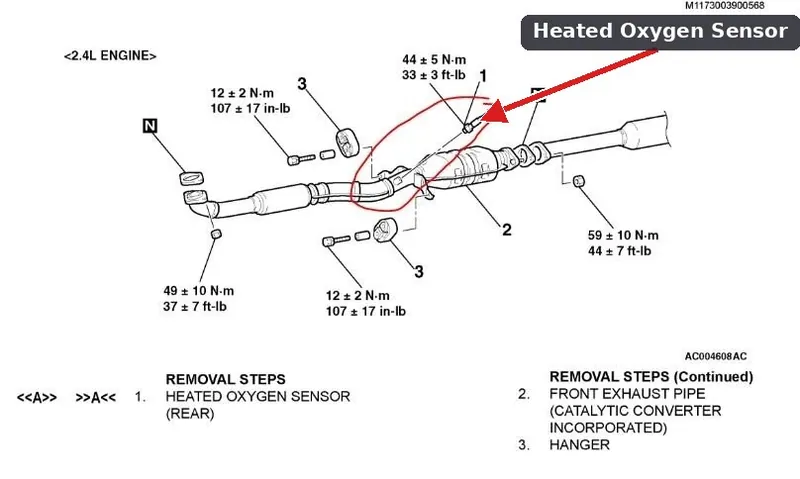
- The 3.8L V6 has four sensors, while the 2.4L I4 has two; make sure you order the correct one for the specific location.
- Replacing a sensor is a feasible DIY job with the right tool (an O2 sensor socket), but sensors can be difficult to remove if seized.
Understanding Oxygen Sensor Failure in Your Eclipse

A failing oxygen sensor can cause a range of problems for your 2006-2012 Mitsubishi Eclipse, from annoying to potentially damaging. When a sensor goes bad, it sends incorrect information to your car's computer, throwing off the delicate air-fuel balance your engine needs to run properly. This can lead to poor engine performance, increased fuel consumption, and ultimately, damage to other expensive components like the catalytic converter.
Symptoms of a Bad Oxygen Sensor
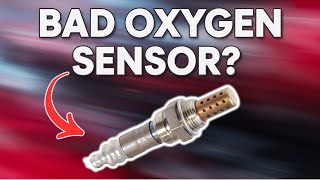
🎬 Watch this guide on the warning signs of a bad sensor.- Check Engine Light: This is the most common sign. A code reader will often point to a specific sensor that has failed.
- Poor Fuel Economy: If you're filling up your gas tank more often, a bad O2 sensor could be forcing the engine to run rich, wasting fuel.
- Rough Idle and Misfires: Your engine may run rough, hesitate, or even stall because the air-fuel mixture is incorrect.
- Sluggish Performance: You might notice your Eclipse feels less powerful or slower to accelerate.
- Bad Smell from Exhaust: A rich-running condition can cause a "rotten egg" or sulfur smell from the exhaust as unburnt fuel hits the hot catalytic converter.
Can I Keep Driving with a Bad O2 Sensor?
While your Eclipse will still run with a bad oxygen sensor, it's not recommended for long. Ignoring the problem leads to wasted fuel, failed emissions tests, and can cause expensive damage to your catalytic converter over time. It's much cheaper to replace a sensor than a converter.
Choosing the Right Aftermarket Oxygen Sensor
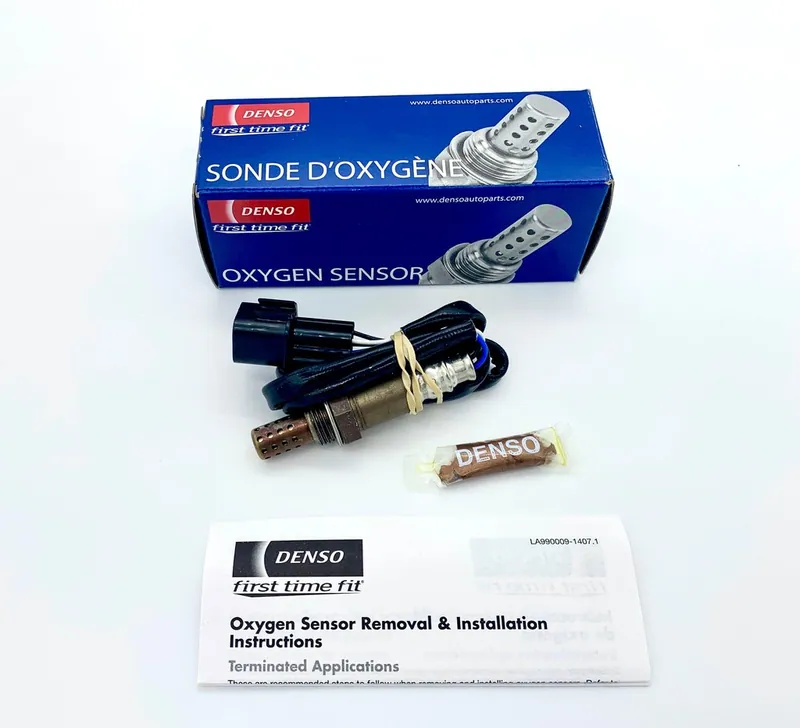
When replacing an oxygen sensor, you have a choice between OEM (Original Equipment Manufacturer) and aftermarket parts. For the Mitsubishi Eclipse, brands like Denso and NGK (also known as NTK) are often the original equipment suppliers. Choosing an aftermarket sensor from one of these brands is a safe bet for quality and fit.
Here's a breakdown of common aftermarket brands:
- Top Tier (OEM-Quality): Denso, NGK/NTK. These brands are known to be original suppliers for many Japanese vehicles and offer direct-fit, reliable replacements. They are highly recommended by owners for their performance and longevity.
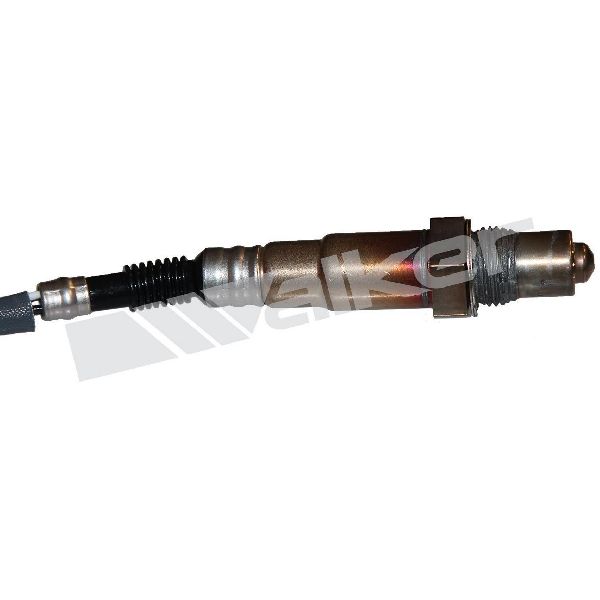
- Reputable Aftermarket: Bosch, Delphi, Walker Products. Bosch is a major innovator in O2 sensor technology, and while some users prefer to stick with the Japanese OEM brands for their Eclipse, Bosch direct-fit sensors are a quality option. Delphi and Walker are also established names that provide reliable parts.
- Economy Brands: DriveWire, Spectra, and other unbranded sensors are more budget-friendly. While they can work, some owners report that cheaper sensors may not last as long or perform as consistently as top-tier brands. For a critical component like an O2 sensor, investing in a quality brand is often worth it in the long run.
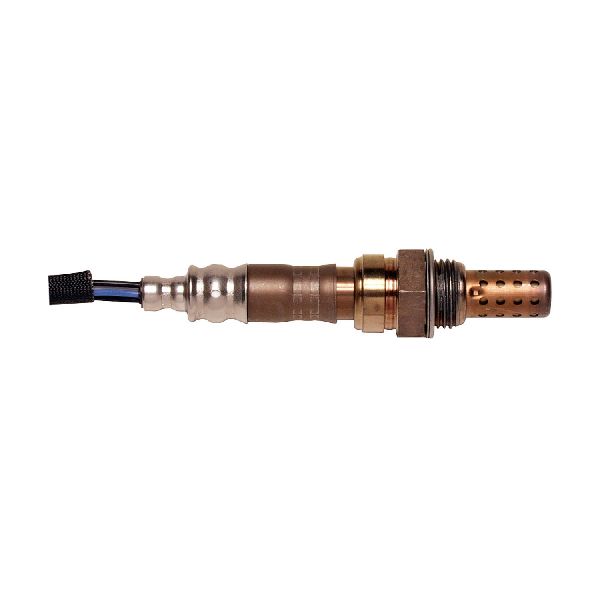
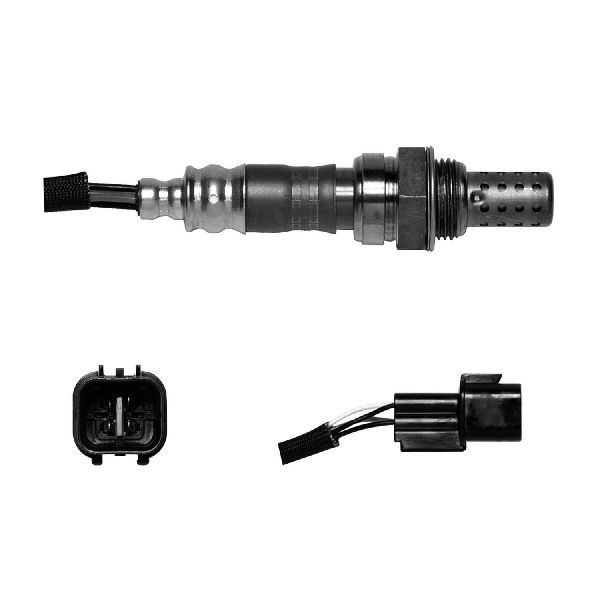
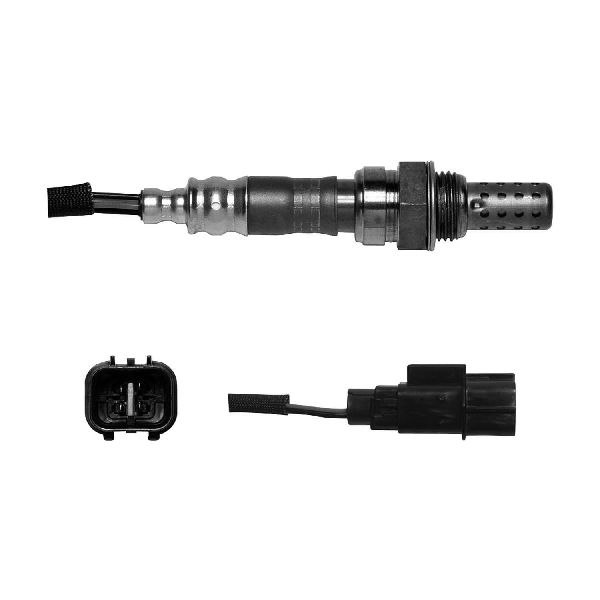
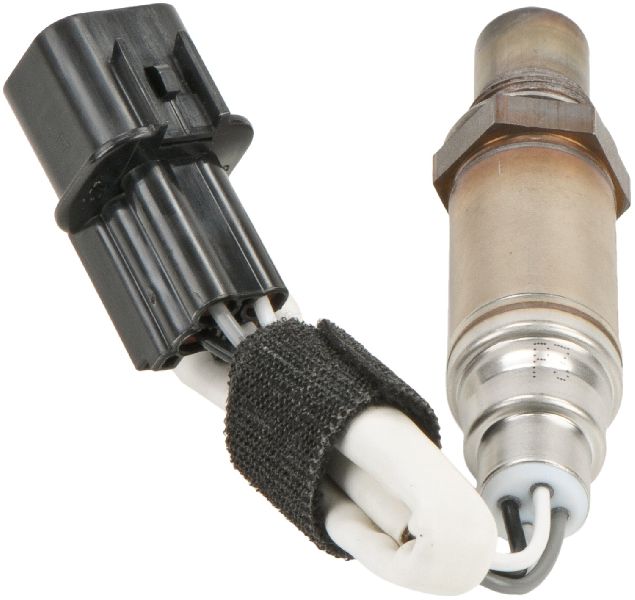
Pro Tip: Always choose a "Direct Fit" sensor. These come with the correct wire length and factory-style electrical connector for your specific Eclipse model, making installation a simple plug-and-play process without any cutting or splicing.
How Many Sensors Does My Eclipse Have?
The number of sensors depends on your engine:
- 2.4L 4-Cylinder (GS/SE models): These engines typically have two oxygen sensors: one upstream (before the catalytic converter) and one downstream (after the catalytic converter). Some documentation confusingly mentions four sensors for the 2.4L, but this is less common.
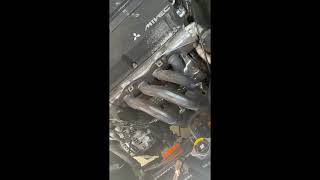
- 3.8L V6 (GT models): These engines have four oxygen sensors. There is one upstream and one downstream sensor for each cylinder bank 🎬 See the exact O2 sensor locations for the Eclipse V6. (Bank 1 and Bank 2).
| Item | Estimated Cost |
|---|---|
| New Aftermarket Oxygen Sensor (per sensor) | $25 - $150 |
| Shop Labor for Replacement (per sensor) | $80 - $150 |
| Total DIY Cost (per sensor) | $25 - $150 |
| Total Professional Installation (per sensor) | $105 - $300 |
Frequently Asked Questions
What tools do I need to replace an oxygen sensor?
You will need a ratchet, penetrating oil (for stuck sensors), and a special oxygen sensor socket. This socket has a slit on the side to fit over the sensor's wire. A 22mm or 7/8" deep socket can also be used if you cut the sensor's wire, but the special tool is recommended.
🎬 Follow this step-by-step video to replace your oxygen sensor.What's the difference between an upstream and downstream sensor?
The upstream sensor (also called Sensor 1) is located before the catalytic converter and is the primary sensor for adjusting the air-fuel mixture. The downstream sensor (Sensor 2) is located after the catalytic converter and mainly monitors the converter's efficiency. They are generally not interchangeable.
Are there any recalls for the oxygen sensor on the 2006-2012 Eclipse?
No, there are no specific recalls for the oxygen sensors on this vehicle. Searches of the National Highway Traffic Safety Administration (NHTSA) database show recalls for other issues like brake components and fuel tank straps, but not for emissions sensors.
Should I replace all the sensors at once?
It is often recommended, especially on higher-mileage vehicles. Oxygen sensors degrade over time, so if one has failed, the others are likely nearing the end of their service life. Replacing them together can save you from a repeat repair in the near future.
Helpful Videos
Technical Specifications
OEM Part Numbers: MR578634 MD342693 MD360181 MN158671 1588A165
Sensors are specific to engine (2.4L I4 or 3.8L V6) and position (Upstream/Downstream, and Bank 1/Bank 2 for V6). All are 4-wire heated sensors with specific-fit connectors.
We Have This Part in Stock


The information in this article is provided for general reference and educational purposes only. Vehicle specifications, procedures, and part compatibility can vary by production date, trim level, and region. Always consult your vehicle's factory service manual and verify part numbers before purchasing or performing repairs. Safety-critical components such as airbags, seat belts, and braking systems should be installed by a qualified professional.
- Mitsubishi Eclipse: